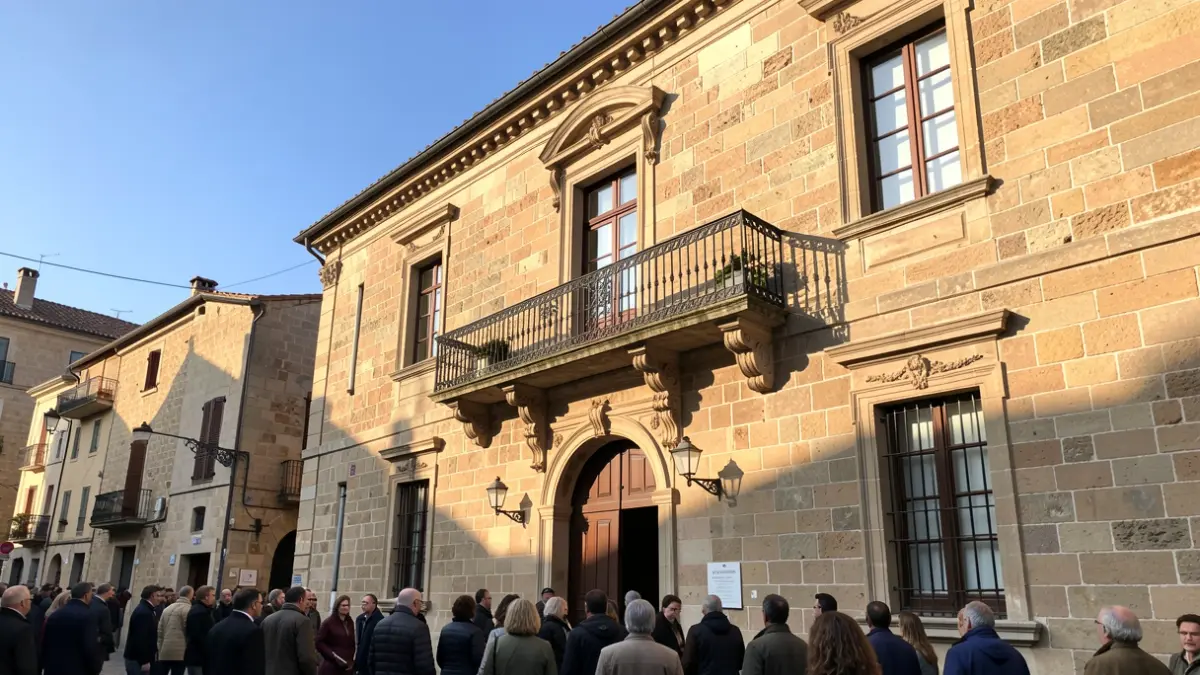

Naukas Bilbao Inicios took place on Saturday, September 19, 2026, at the Euskalduna Palace in Bilbao, with both morning and afternoon sessions. Unlike previous editions, where each talk addressed an independent theme, this year all interventions shared a common thread: the great beginnings of history. The event is designed to offer viewers a global perspective on some of the major beginnings studied by science.
Naukas Bilbao Inicios is part of the scientific dissemination festival Bilbo Zientzia Plaza 2026 (BZP).
The discovery of moons other than the single one visible to the naked eye for most of human history marked the beginning of a revolution in our understanding of our cosmic neighborhood and how we perceive it. Currently, 1164 moons (and counting) have been detected in the Solar System. Pedro León, a writer and science communicator specializing in space exploration, discusses this topic.