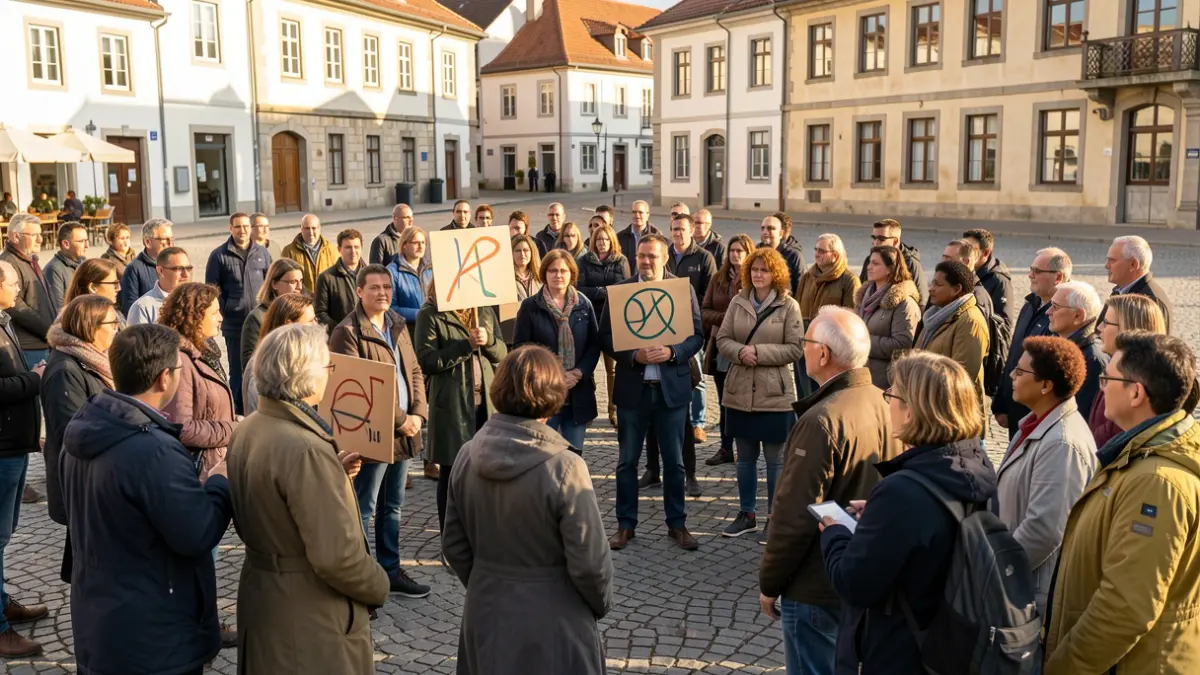
To commemorate World Refugee Day, observed internationally on June 20th, Orio organized a series of events to remember and support citizens forced to leave their homelands. The main event on Saturday combined celebration and advocacy, but prior to that, on Thursday afternoon, attendees had the opportunity to hear directly from refugees.
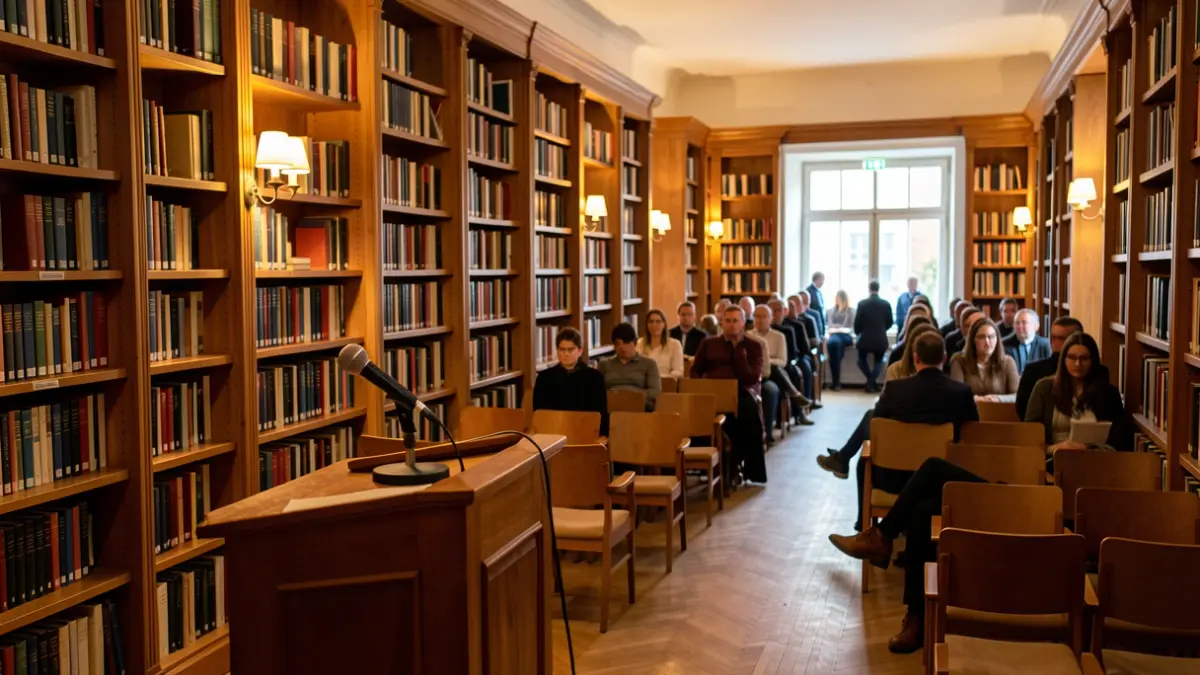
At the round table held in the Salatxo hall, individuals from Sahara, Palestine, Ukraine, and Nicaragua residing in Orio took the floor. Among them, Francisco Arteaga, a former soldier during the Nicaraguan revolution, recounted his experience. He explained that he faced persecution for opposing the government of Daniel Ortega and had his citizenship revoked, eventually being taken to the Modelo prison in Managua. He was released on June 23, 2024, along with 134 other individuals, and now lives in Orio, hoping to return to his country.
Maryna Melnytxenko, in turn, spoke about the situation in Ukraine. She had to flee her home on the day the war began, and when the Chernobyl Association offered her a return to Orio, she did not hesitate. She arrived four years ago with her family and stated that the children are integrated and they have decided they should grow up there until the war ends.
“"They will never defeat what is right. Injustice will never be the flag of humanity"
Salek Mohamed, a Sahrawi, advocated for the freedom of his people. Born in 1984 in a refugee camp and having lost his father in the war, he studied journalism in Algeria to report on events in the Sahara. He has lived in Orio for eight years, recalling the half-century that has passed since Morocco stripped the Sahara of its freedom.
Thamer Birawi, who left Palestine at the age of 18, shared the harsh experiences of his childhood, remembering the presence of armed vehicles in his neighborhood and the imposition of curfews. He highlighted the cruel actions of the Israeli Zionist state and the struggle of the Palestinian people, adding that what is happening in Gaza is not new but part of a long history of Palestinian colonization. He called for "memory" to prevent future refugees.
Alongside these testimonies, Iñaki Iturain recalled the long history of emigration from the Basque Country. He mentioned periods of emigration in the late 19th century and during the Spanish Civil War, particularly the Basques who departed for Argentina. "Most Basques were welcomed by Argentina, where the most organized Basque diaspora resides," he explained, demonstrating people's desire to preserve their homeland's culture and memory. Therefore, he advocated for doing the same with those arriving here, stating it is understandable that they wish to maintain their attire and use their language.