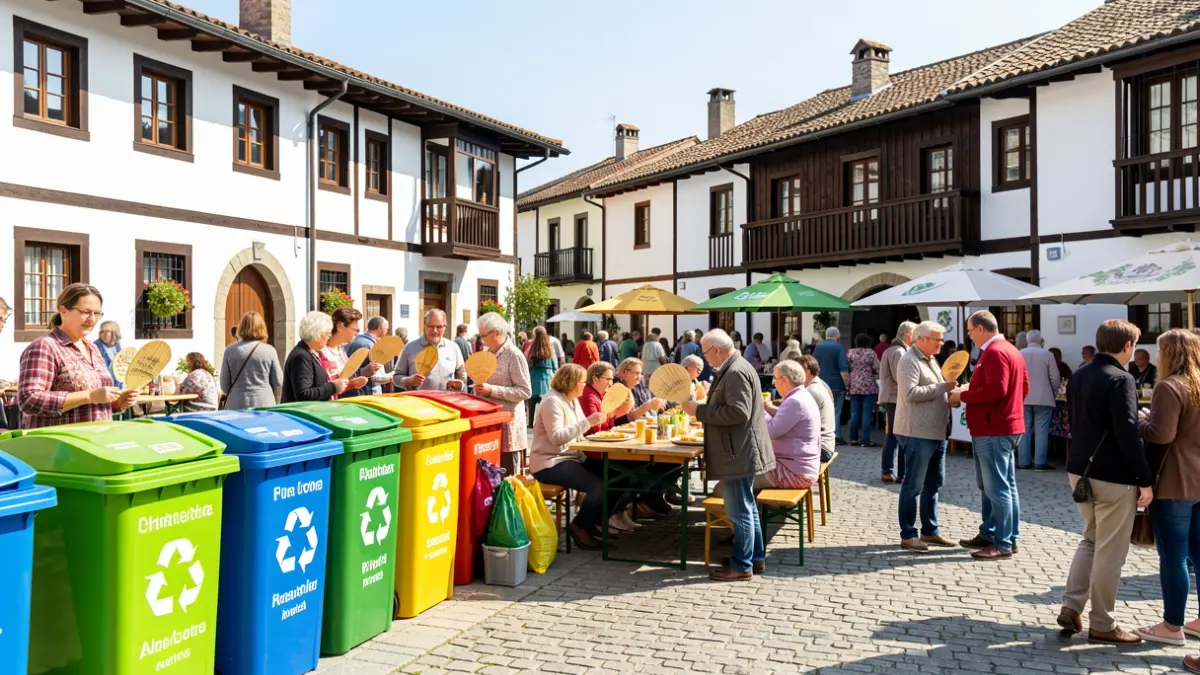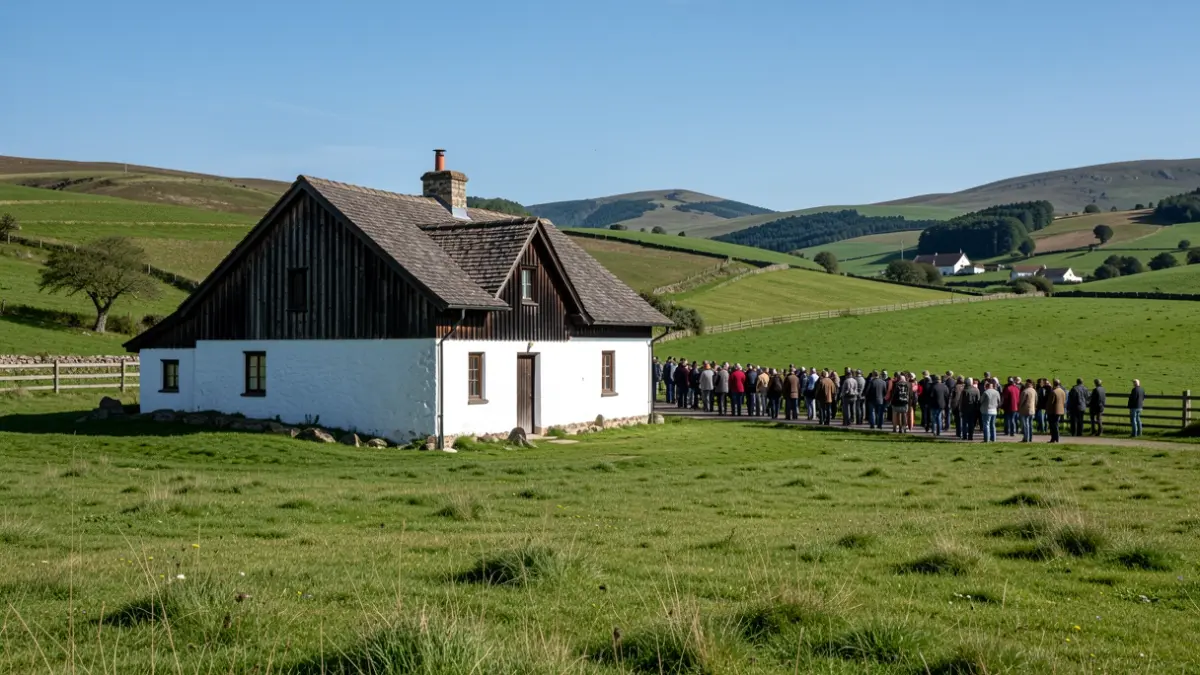
The Igartubeiti Farmhouse Museum is celebrating its 25th anniversary this year and will host the 25th edition of its Cider Week from October 7th to 17th. This special edition will include unique activities alongside the usual ones to commemorate the anniversary. In line with the Erronka Garbia certification, measures will be taken focusing on mobility, energy, water, shopping, infrastructure, and waste.
Visitors will be encouraged to come to the Igartubeiti Farmhouse Museum by public transport, and where not possible, the use of buses connecting the industrial area of Ezkio to the museum will be promoted. Waste management will also be a key objective, aiming to generate as little waste as possible and to sort what is produced. Water usage will also be impacted by Erronka Garbia, with measures to reduce and control consumption.
Igartubeiti Farmhouse Museum has been working for years to promote the richness of the farmhouse, seeking a balance between the environment, its resources, and services. The Cider Week is the result of the natural apple cycle, and the work of caring for the apple trees, their flowering, and fruit growth is carried out with the aim of minimizing environmental impact. For instance, the apples pressed during the Cider Week are sourced from suppliers in the Ezkio area to ensure the product's traceability is as limited as possible.
The museum has achieved validation for its Environmental Sustainability Plan and, as a result, will debut the Erronka Garbia certification for the Cider Week. This sustainability plan identifies six priority axes for improving events environmentally: mobility, energy, water, shopping, infrastructure, and waste. The main goal of the 'Erronka Garbia' project is to raise awareness among both the organizers and the participants.