Eibar's mayor, Jon Iraola, stated that this recognition is “well-deserved,” praising the city's bravery and fidelity to the Republic. He emphasized the courage shown in proclaiming the Republic in 1931 and the subsequent loyalty to republican values and democratic legality.
This loyalty, he recalled, led to terrible consequences from 1936 onwards, including repression, dictatorship, and the bombing of 1937. For the mayor, the received declaration is a matter of dignity and a necessary reparation for the city's memory.
“"It is a very important day for Eibar because of its bravery and fidelity to the Republic."
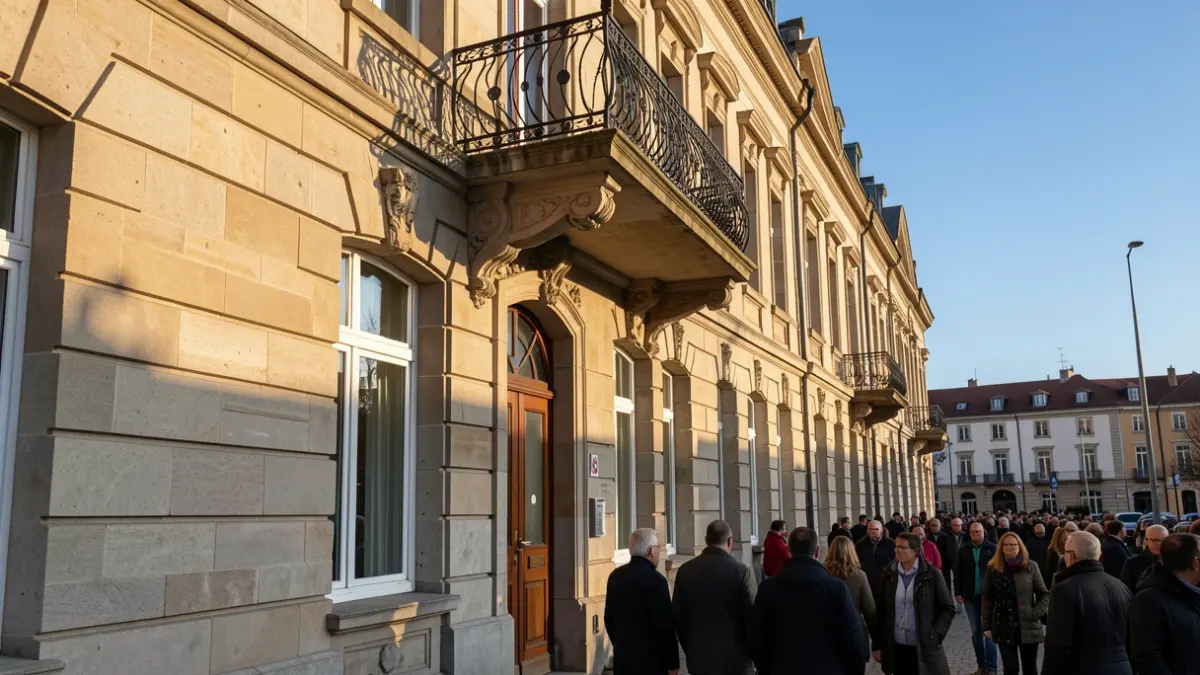
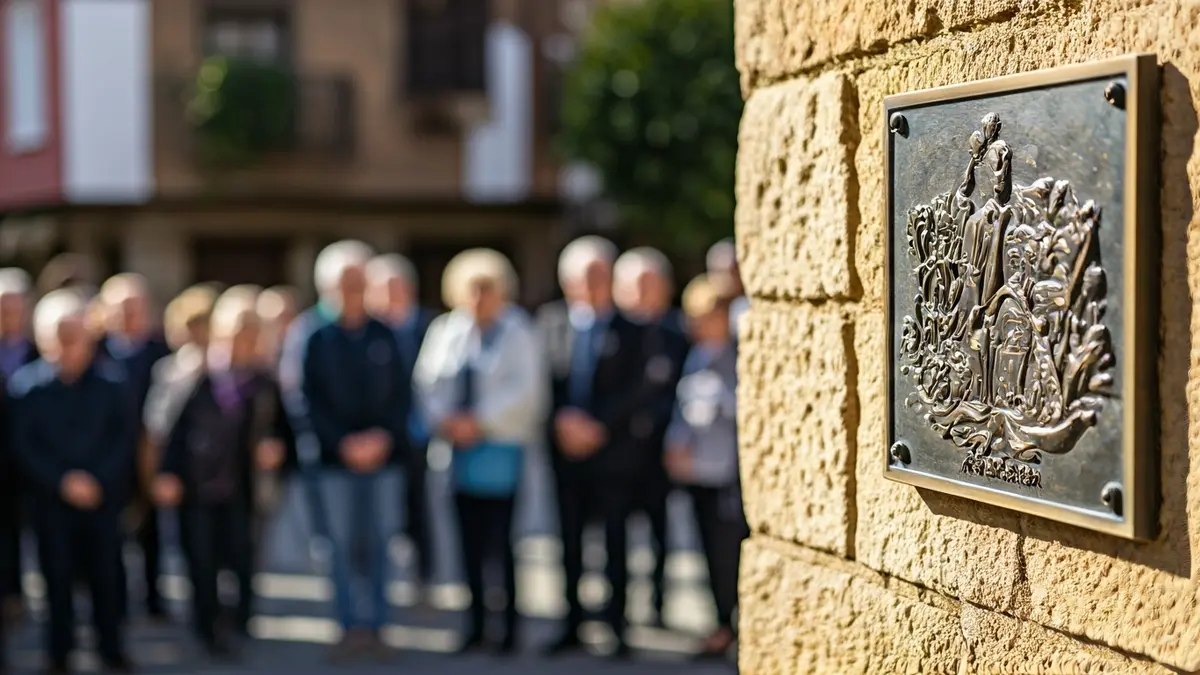
At the event held in Unzaga, where 95 years ago music, flags, and hope announced a new era for the country, a message of freedom, justice, and peace was heard again. This time, however, the message was imbued with the weight of time, the awareness of what was lost, and the need to preserve what was gained.
The unveiled plaque not only recognizes a historical episode but also etches into stone a collective identity: that of a working-class, brave, and punished city that was ahead of its time and paid dearly for its commitment to democracy.
The Deputy Minister of Human Rights, Memory and Coexistence, Arritxu Marañón, focused on another essential dimension of the day: the memory of women, often relegated to the background. In this context, she recalled the figure of Libertad Betolaza from Eibar, who was not allowed to register that name and had to be called María Pilar. Marañón summarized much of the history of the 20th century in her biography: the early loss of her parents, the family's exile to Barcelona, the forced change of identity, the return to Eibar, her clandestine work with the Socialist Party, and her subsequent role as a city councilor.
With this example, the deputy minister sought to vindicate the fundamental role played by many women in the struggle for democracy and freedom, a contribution that has too often been rendered invisible. Her intervention added a human and deeply symbolic dimension to the event, reminding that democratic memory is written not only from great names and great events but also from personal trajectories marked by dignity, renunciation, and resistance.