Two years after the termination of the contract with the previous concessionaire (Biobide) and the labor dispute that caused chaos in the lives of thousands of users, the Bilbao City Council has put out to tender the Bilbobus service. According to the government team, “the contract includes, among other aspects, the planning, organization, and operation of the service, the provision and maintenance of the necessary material and human resources, user assistance, information management and associated systems, as well as the execution of planned investments to guarantee its adequate provision during the contract’s validity”.
To avoid labor conflicts like the one that derailed the last contract (which should have extended until 2029), the tender documents include the possibility of price revisions. This means that the payments from the City Council to the awarded company can be adjusted according to the situation that arises over the years. It is worth remembering that the issue with Biobide was that, when the CPI soared, the company claimed it was unable to update salaries.
The contract tendered this Wednesday considers Bilbobus an essential service for the daily mobility of citizens and establishes a duration of 10 years. The plan is for it to come into effect on January 1, 2027. It is one of the most significant contracts for the City Council, with a combined budget of over 538 million euros, almost 54 million per year. This is significantly higher than the 42 million of the contract signed in 2019.
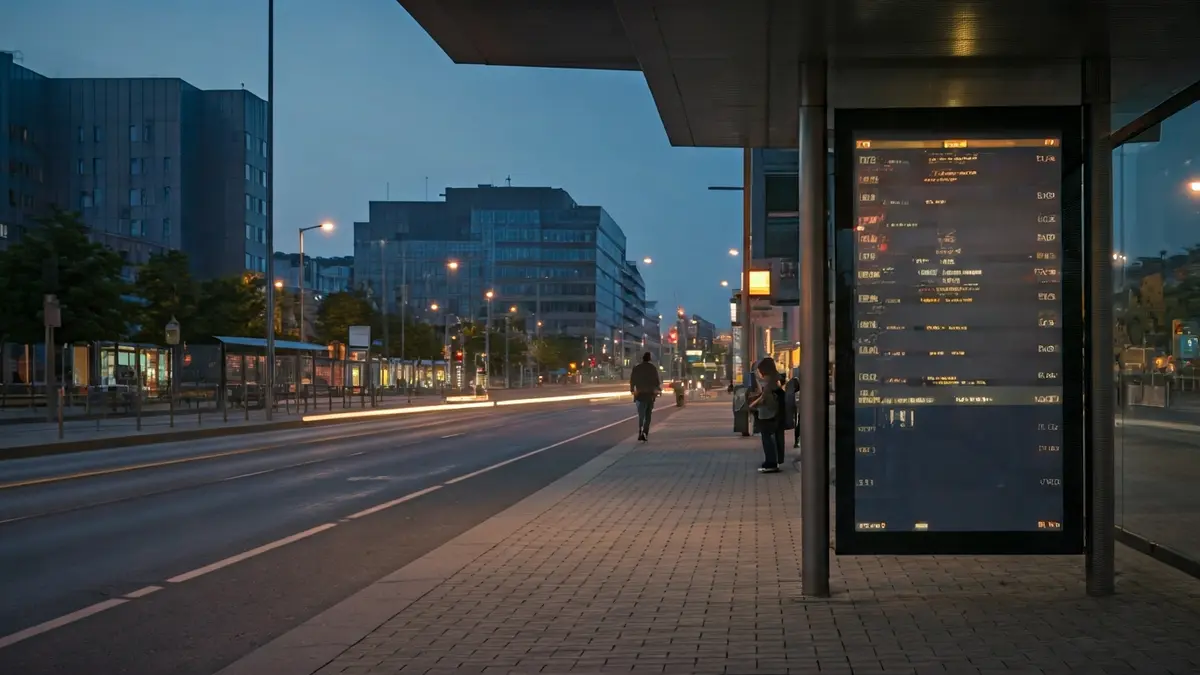
This notable increase, in addition to adapting to price hikes, is linked to the demand for investments. The government team explained that “among the improvements specified in the terms and conditions are the adaptation of the Elorrieta depots to accommodate an increased number of electric buses, the renewal of information screens at stops, and the implementation of a passenger counting system to allow better capacity control”.
Furthermore, it includes the drafting of a construction project for new facilities to house future depots, the development of new IT tools to improve information, and “the possibility of developing innovative pilot projects in terms of connected/autonomous driving and on-demand service.” The new contract also contemplates the option of introducing changes to routes and frequencies, as service payment is established per kilometer and per hour.
This tender comes after attempts by various political and social groups for the Bilbao City Council to assume direct management of the service. Something that, from the outset, was predictably unlikely to succeed, as has ultimately happened. The Mobility Department explains the motivation in the following terms: “The contract reflects the Bilbao City Council’s commitment to indirect management, as the activity to be contracted is necessary for the provision of a service that is within the Department’s competence, and its purpose does not contain services that must be met with its own resources. Its provision cannot be assumed with the human and technical resources available to the Department, and its reorganization is also inconvenient or impossible”.