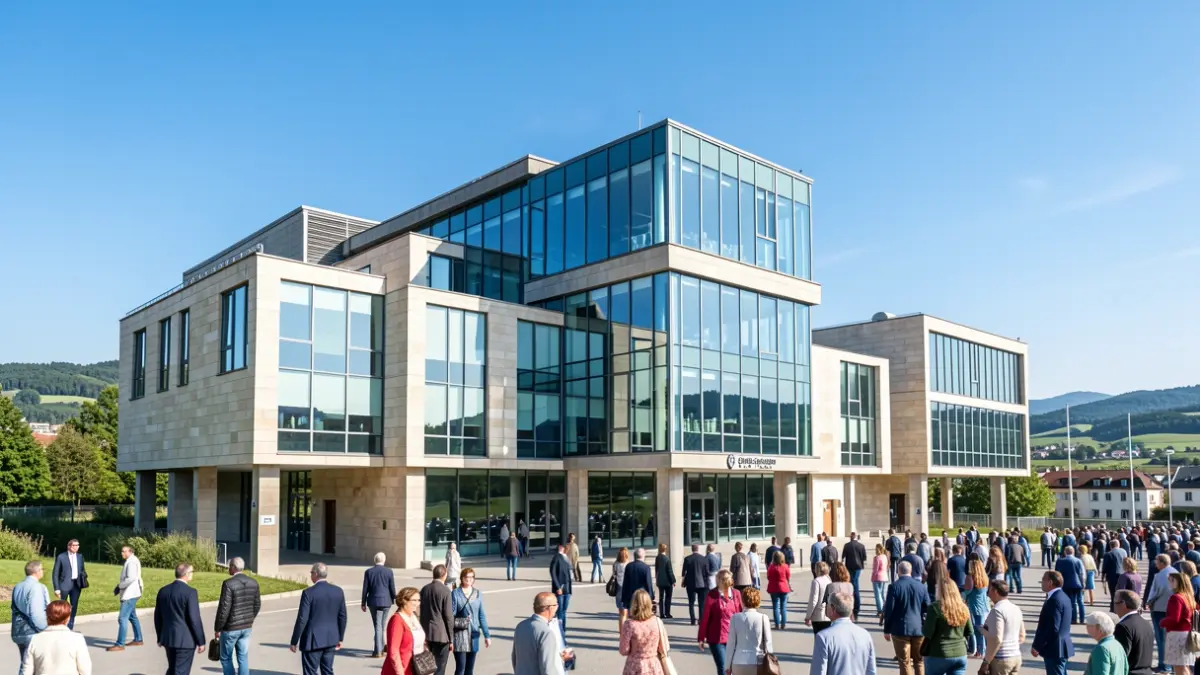
Vitoria-Gasteiz hosted the 8th Meeting of the Intelligent Tourism Destinations (DTI) Network from June 1st to 3rd. Organized by the Spanish Ministry of Tourism through SEGITTUR, the event brought together over 185 professionals at the Europa Congress Palace, representing more than a hundred tourist destinations across Spain.
Under the theme “People who make destinations. The intelligence that transforms tourism,” the meeting facilitated the exchange of experiences, analysis of current sector challenges, and progress in building a more innovative, sustainable, and people-centered tourism model.
The institutional opening featured participation from the Deputy Minister of Tourism and Commerce of the Basque Government, Jakes Agirrezabal; the Director of Tourism Policies of the Ministry of Industry and Tourism, Ana Muñoz; the Provincial Deputy for Employment, Commerce, and Tourism and Provincial Administration of Álava, Cristina González; the councilor for Economic Promotion, Employment, Commerce, and Tourism of the Vitoria-Gasteiz City Council, María Nanclares; and the president of SEGITTUR, Enrique Martínez.
Over three days, institutional representatives, destination managers, and sector specialists engaged in presentations, debate panels, and collaborative work sessions focusing on areas such as tourism sustainability, governance, public innovation, artificial intelligence applied to tourism, the Intelligent Destinations Platform, and the tourism data space.
The closing ceremony included the participation of the Mayor of Vitoria-Gasteiz, Maider Etxebarria; Provincial Deputy Cristina González; the Basque Government's Minister of Tourism, Commerce, and Consumption, Javier Hurtado; and the Secretary of State for Tourism, Rosario Sánchez.
During his speech, the Minister emphasized that "tourism intelligence is a territory's capacity to manage its tourism appeal in a way that improves the lives of its inhabitants and the experience of its visitors." He also highlighted Euskadi's commitment in this area, stating that "nearly 70% of Euskadi's tourist destinations are already Intelligent Tourist Destinations, a result of a strategy based on institutional collaboration, sustainability, and the use of data for better decision-making."
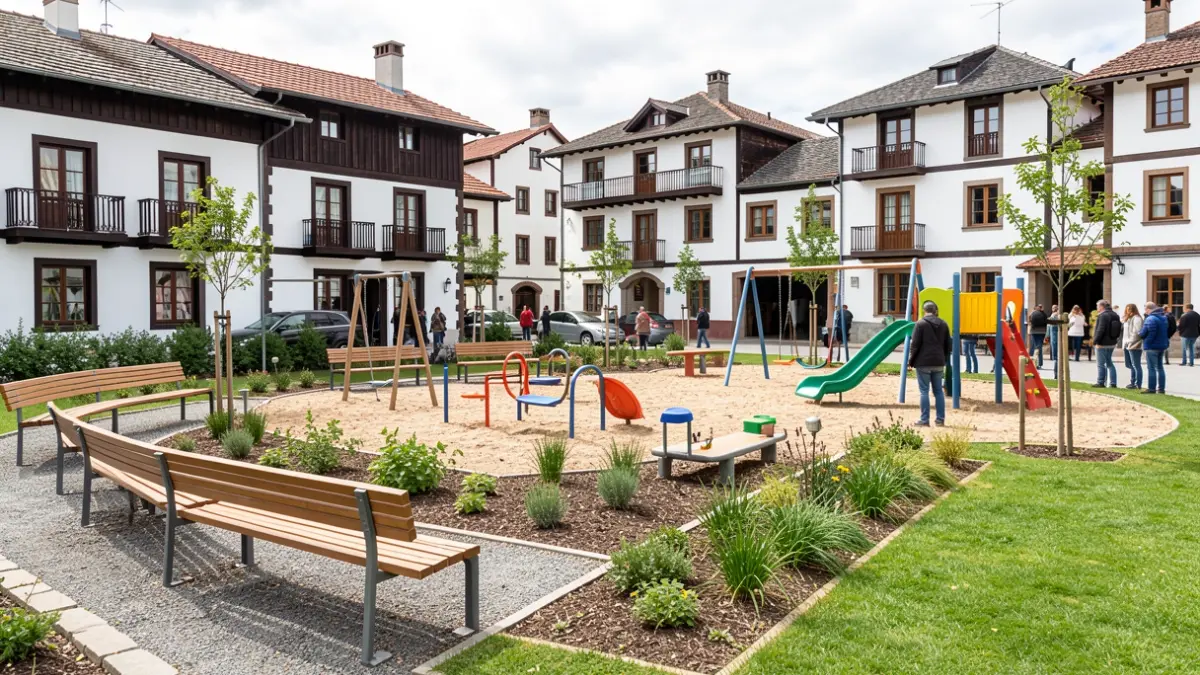
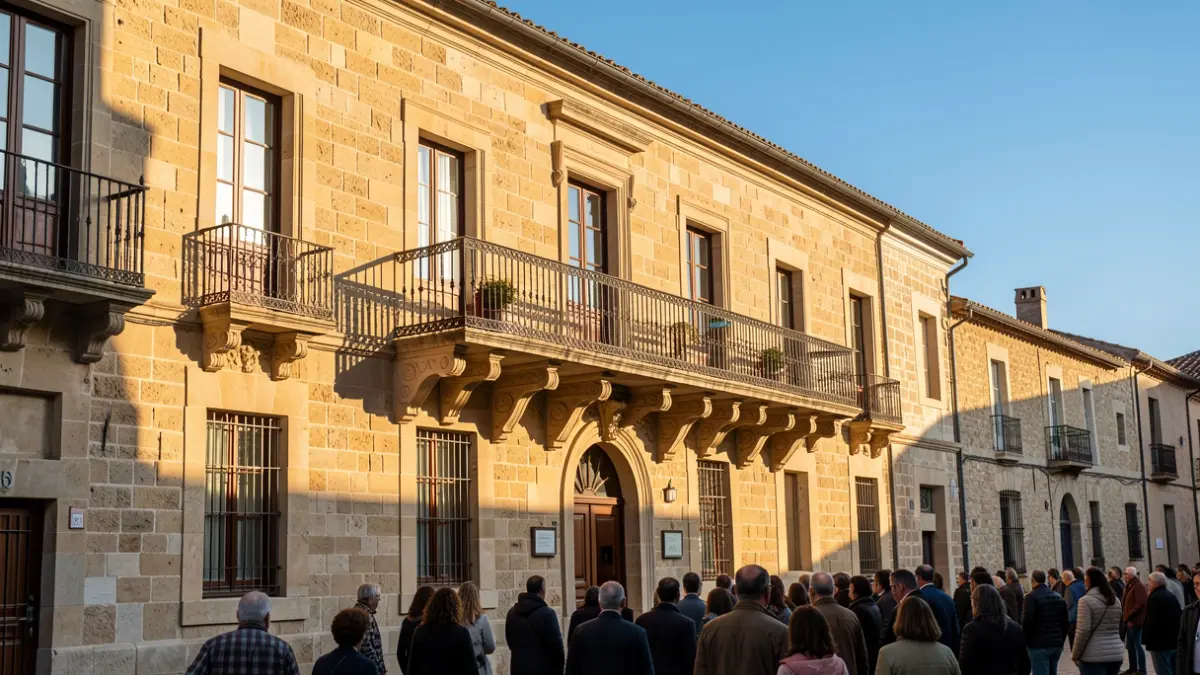
Following the closing event, authorities conducted an institutional visit to several projects in Vitoria-Gasteiz funded by Europe through the Plan for Sustainable Tourism in Destinations. The tour began at the Villa Suso Palace with an interactive model of the Medieval Quarter, a tool designed to offer an accessible and inclusive tourist experience using technological resources adapted to different user profiles. The visit continued to Martín Ttipia square and the final section of the Wall Garden, showcasing efforts to recover and enhance the city's heritage, landscape, and tourist attractions. These meetings help strengthen collaboration between administrations and tourist destinations.