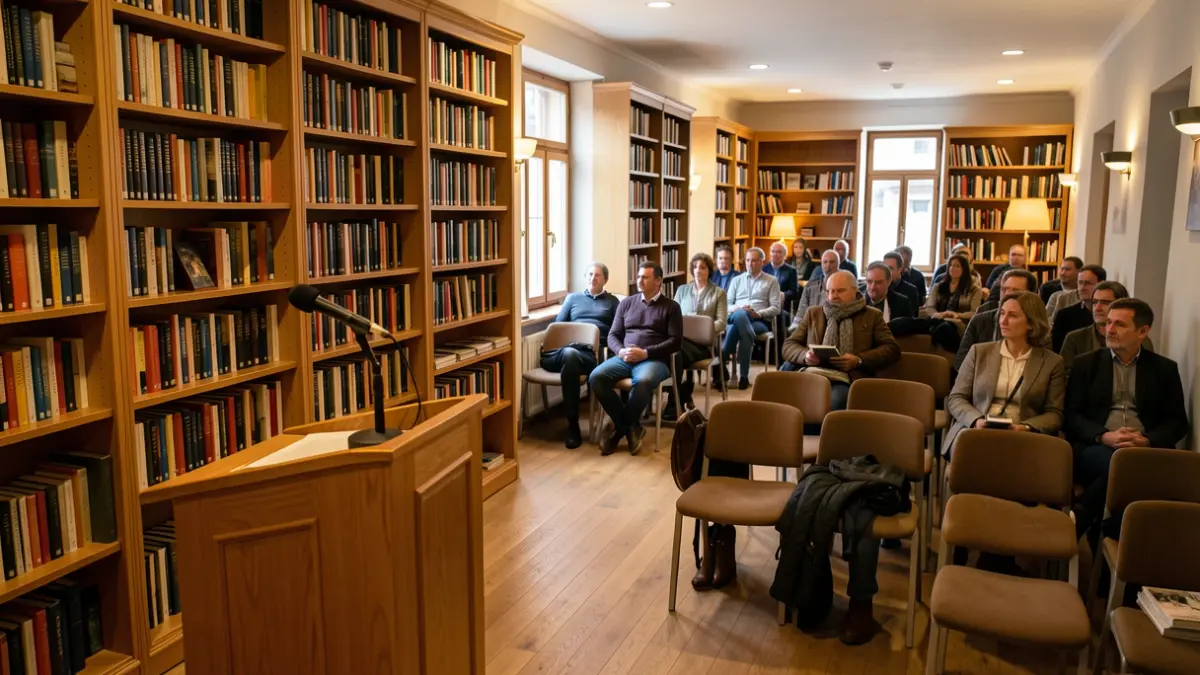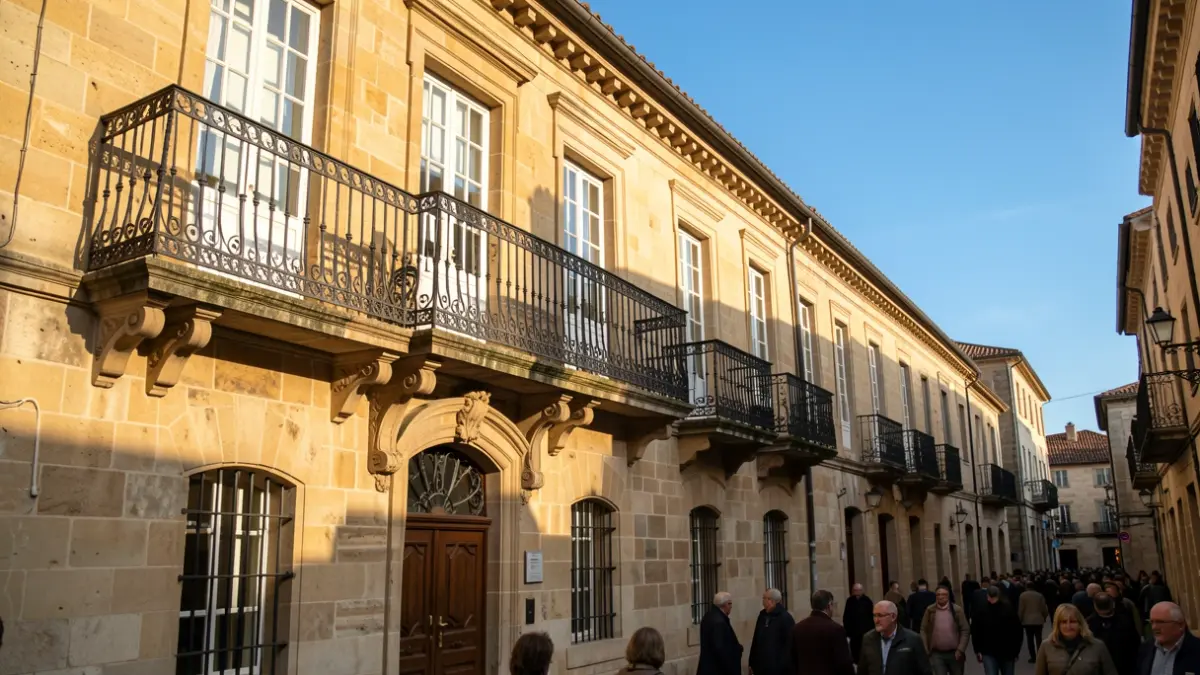
A 71-year-old resident of Zarautz is finalizing preparations for the publication of his book “Zarauzko bitxikeriak” (Curiosities of Zarautz). The work, expected to be released after the summer once photographs are incorporated, has involved two years of research, organization, and writing. The author stated that “it hasn't been work; I have written it with great pleasure, I have enjoyed the writing, and I believe the publication reveals many curiosities and details that most residents are unaware of.”
The book aims to offer a different perspective on the history of Zarautz, moving away from existing publications. Spanning 237 pages, the volume will cover unknown events, buildings, and personalities with a fresh approach. The author emphasizes that “what I intend is to make known where we come from and how we have become what we are.”
“"Most people have no idea about many things that have happened in Zarautz throughout history."
The work begins with the creation and origin of Zarautz, detailing the administrative organization of the Town Hall and the Villa, including a section on local stories and curiosities. A detailed description of the Zarauz lineage and their contribution to the Villa is also provided. Furthermore, the most unique and historic buildings of the town are described, and a chronology of the most relevant events that occurred over the past centuries is offered.
The book is structured into five main chapters. The first covers the creation and origin of Zarautz, municipal management, urban evolution, and a brief history of txakoli. The second focuses on the church and religious buildings in Zarautz. The third describes the unique buildings and houses. The fourth explores the influence of wars, Carlism, and the 1936 coup. Finally, the fifth chapter summarizes notable events, with a chronology of the most important occurrences, mention of illustrious families, and the evolution from the 15th to the 20th century.
The author has stated that the publication costs, amounting to approximately 5,000 euros, will be covered by himself, initially without any external support. Despite having contacted the culture department, he did not perceive the necessary empathy to secure assistance.