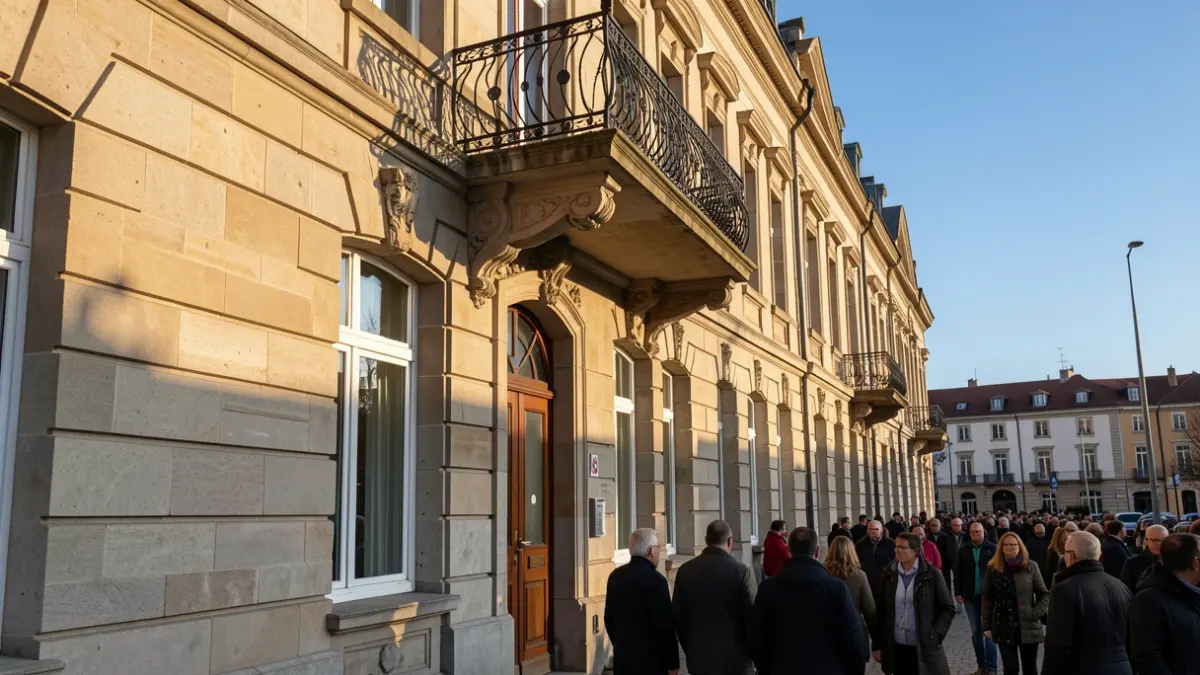
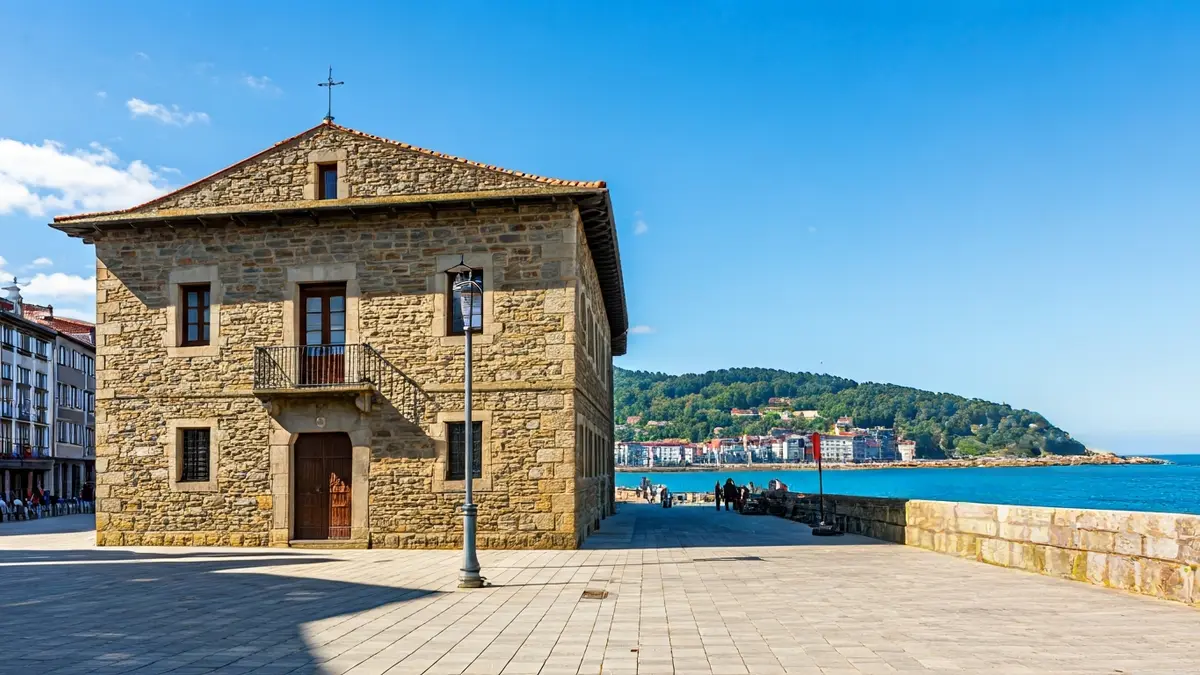
The institution has clarified that the file regarding the situation of the Plentzia Maritime Station has extensive technical, legal, and heritage support. This includes the historical background of the property, available specialized reports, and an evaluation of the conditions to ensure its continued operation.
The Department of Food, Rural Development, Agriculture and Fisheries considers the continuation of the Maritime Station in its current location to be justified. Built in 1923 as a sanatorium, the building has been part of the urban and cultural landscape of the municipalities of Plentzia and Gorliz for over a century. Its current use as a university research center operates within an existing infrastructure, rehabilitated while respecting its original configuration and without increasing its footprint.
The Basque Government reaffirms its commitment to coastal protection and the promotion of research, advocating for solutions that consolidate the future of the Plentzia Maritime Station.
The analyzed reports highlight both the heritage value of the property, proposed for inclusion in the Inventory of Basque Cultural Heritage, and the necessity of its coastal location for developing scientific activities related to the marine environment. Despite an unfavorable opinion from the General State Administration due to landscape impact, current regulations allow for adapting the conditions or duration of concessions without necessarily requiring the removal of existing buildings.
Furthermore, the analysis includes an evaluation of risks associated with climate change and sea-level rise, incorporating periodic monitoring and adaptation measures to ensure the safety of the facilities. The technical proposal suggests a limited concession, conditioned on compliance with specific control, security, and review measures, to reconcile coastal protection with the continuation of a strategic scientific activity.