Works by Vincent Van Gogh have often been forged throughout art history due to their high market value. The artist had a prolific output, nearly two thousand works in a decade, which has led to confusion and the emergence of fakes. An analysis by The Art Newspaper in 1997 estimated that at least 45 works displayed in museums and galleries worldwide were not his.
Traditional criteria for determining a painting's authorship relied on provenance and stylistic analysis, but these have not always been reliable. For instance, in 1928, art dealer Otto Wacker organized an exhibition of 33 supposedly Van Gogh paintings that prominent experts confirmed as genuine, only for them to be later proven as fakes.
In recent decades, scientific analyses have become increasingly important. Pigment analysis and light-based studies are crucial for resolving authorship. Now, researchers from the polytechnic university of Hauts-de-France have presented a new technique in the journal Surface Topography: Metrology and Properties, capable of detecting microscopic traces on the canvas that affect the continuity and texture of the brushstrokes.
The developed algorithm analyzes these patterns, invisible to the naked eye, without needing to take samples from the canvas. They used nine artworks, employing high-resolution photographs and fractal dimension analysis to measure how the surface structure changes with observation scale.
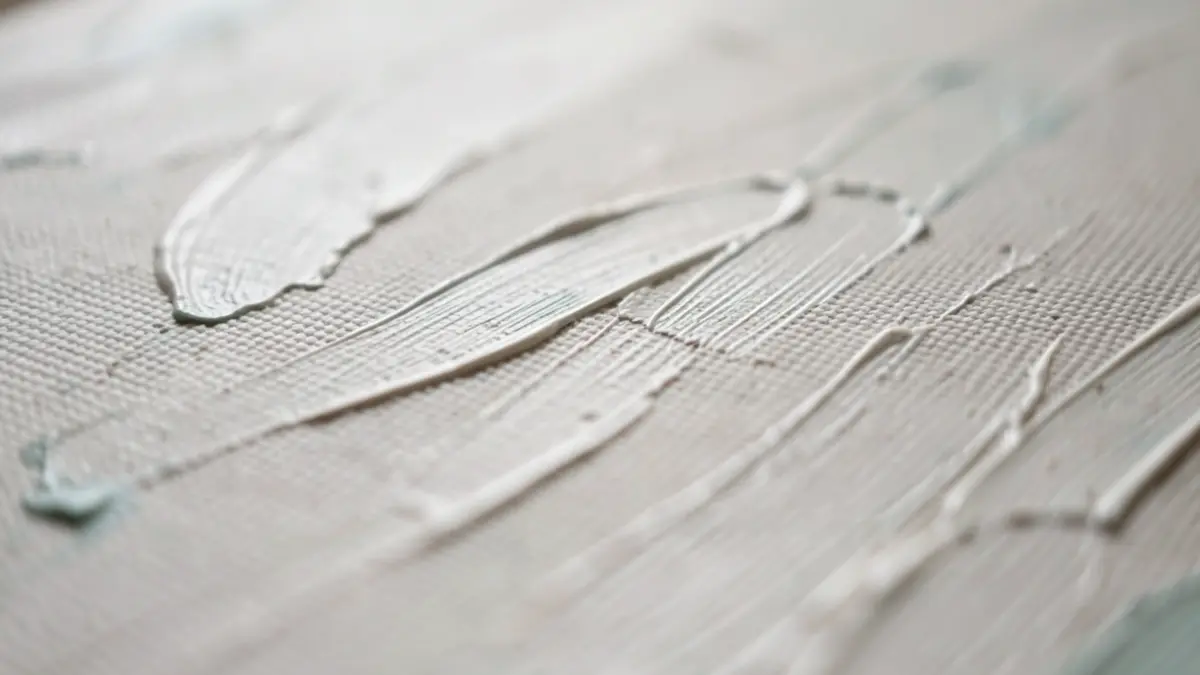
Van Gogh used the impasto technique, applying thick layers of paint that stand out from the canvas, often with strokes in a single direction. This left shadows and reliefs, making his works suitable for fractal analysis. These morphological patterns of the brushwork function as an intrinsic signature of the artist.
Through statistical analysis, they found the greatest anomaly in the painting The Sower (Z-score of –2.336), considered a fake. The painting Sunset at Montmajour yielded a value of 1.64, a strong indicator of authenticity, and it was recently confirmed as the Dutch artist's work.
They have also analyzed works by the 17th-century painter David Klöcker Ehrenstrahl, observing statistical differences between the two painters. They are confident that this methodology can be applied to artists of different eras and styles.
Researcher François Berkmans states that fractal analysis provides a measurable trace of brushstrokes without needing to take samples or touch the canvas. According to the group IOP Publishing, this type of analysis will bring objectivity and scientific backing to the work of experts and appraisers.