Fernando Botanz, who for fifteen years has filled the streets of Bilbao with period costumes through the Bilbao 1900 parade, has donated approximately 700 pieces from his personal collection to three Basque museums: the Antzasti Museoa in Dima, the Museo del Traje in Rentería, and a third private Vizcaya-based center that preferred to remain anonymous.
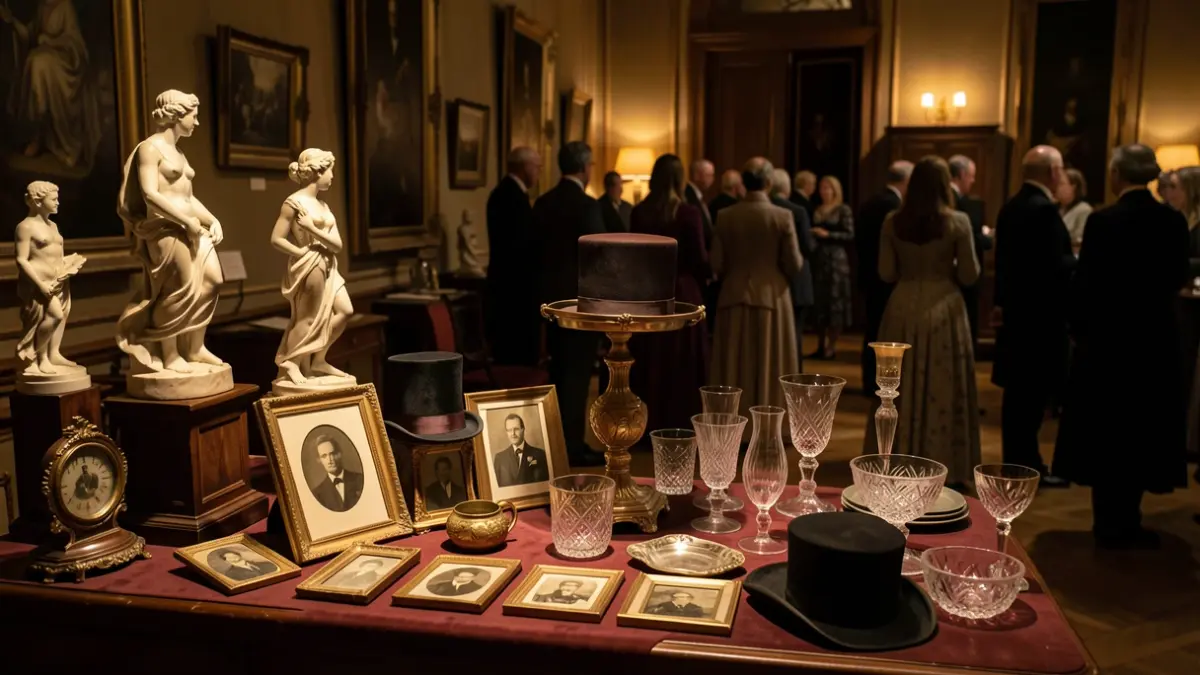
The collection includes art nouveau and art deco style sculptures, furniture, prints, antique photographs, dinnerware, glassware, and tea and coffee sets, in addition to an extensive collection of historical clothing such as gentlemen's frock coats, hats, and Spanish capes, all over 120 years old.
The decision to donate stems from a reflection on the passage of time. Botanz worked in residences for the elderly and heard deeply affecting stories. "I've seen 90-year-old ladies crying to me: 'They've thrown all my sheets, all my furniture in the trash. They've sold my apartment'", he recalls. "I didn't want that to happen to me." Botanz considers his collection to be part of his own biography.
This is not the first time he has made such a donation; two decades ago, he gifted over 2,000 pieces to the San Telmo Museum in San Sebastián and the Balenciaga Museum. However, this new donation involves parting with a significant portion of a collection that has accompanied him throughout his adult life. "I couldn't fulfill my lifelong dream of creating a museum. Only billionaires can do that", he admits.
His passion for art began long before he bought his first piece. Raised in Legazpi, he particularly recalls a visit to the San Telmo Museum at age 16. Later, he studied Fine Arts in Bilbao and discovered a now-vanished ecosystem of antique dealers. He also discovered art nouveau and modernism in libraries, which left an indelible mark on him.
Botanz has worked in various professions, including restorer of a 16th-century altarpiece, drawing and painting teacher, children's entertainer, fashion sales assistant, Persian carpet seller, residence monitor, and choir director. He has invested a significant portion of his earnings in sculptures, porcelain, furniture, and historical clothing. "Everyone spends money differently. I've spent it on my passion", he summarizes.
Among the pieces he most cherishes is an art nouveau style female bust engraved with the French word 'Jeunesse' (youth), now part of the Antzasti Museoa's collection. Yet, he finds it difficult to choose: "It's like asking which child you love more, you can't." For him, the value of objects lies not only in their signature or age but in the stories they hide.
He states that "the world of antiques in Bilbao is dead," lamenting the disappearance of the extraordinary antique dealers present in 1985. Although he has parted with hundreds of pieces, he still keeps some. He has carefully selected the recipient museums to ensure the security and proper conservation of the items, seeking institutions "where I know they will be perfectly cared for."
The home he describes as "a magical house" now holds far fewer sculptures, porcelain pieces, and historical garments than just a few weeks ago. He admits the void exists, but also the peace of mind knowing the pieces will live on after he is gone. "Knowing that people from all over the world will enjoy something I have given brings me great satisfaction. The day my life ends, everything will be meticulously cared for."