The Euskal Museoa in Bilbao is scheduled to reopen its doors in June, though the exact date is yet to be confirmed. Since its closure to the public in October 2021, the museum has undergone a comprehensive renovation, including a 38% expansion of its infrastructure, making it one of the most significant cultural interventions in the city in recent years.
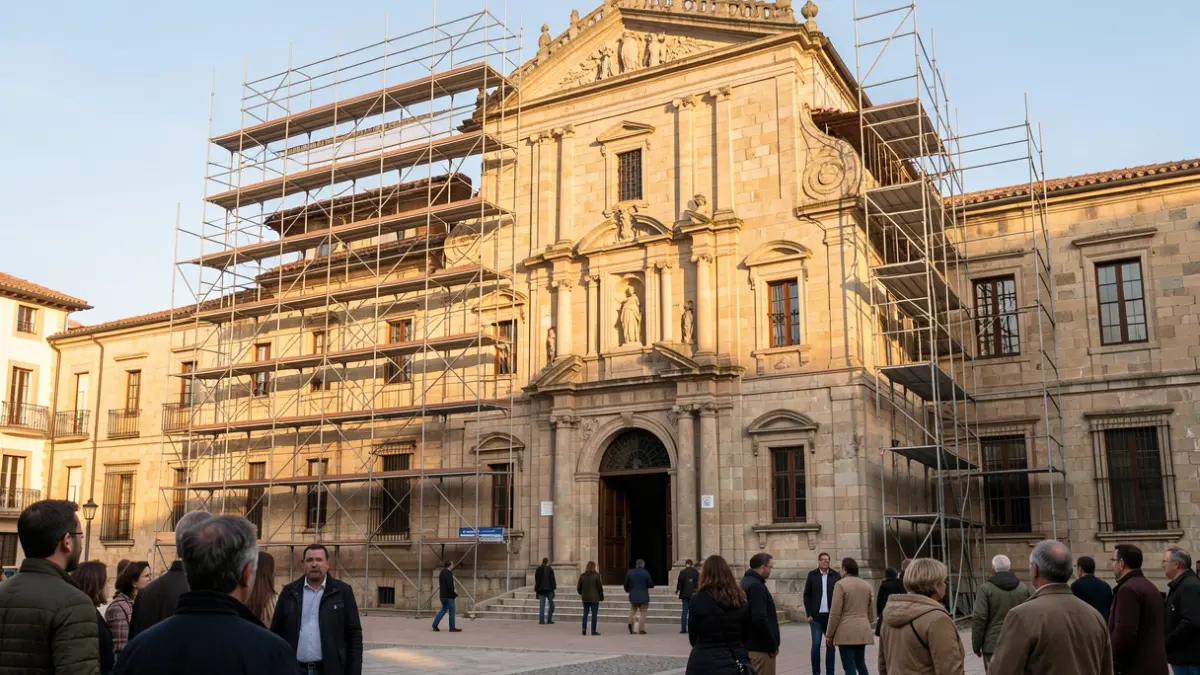
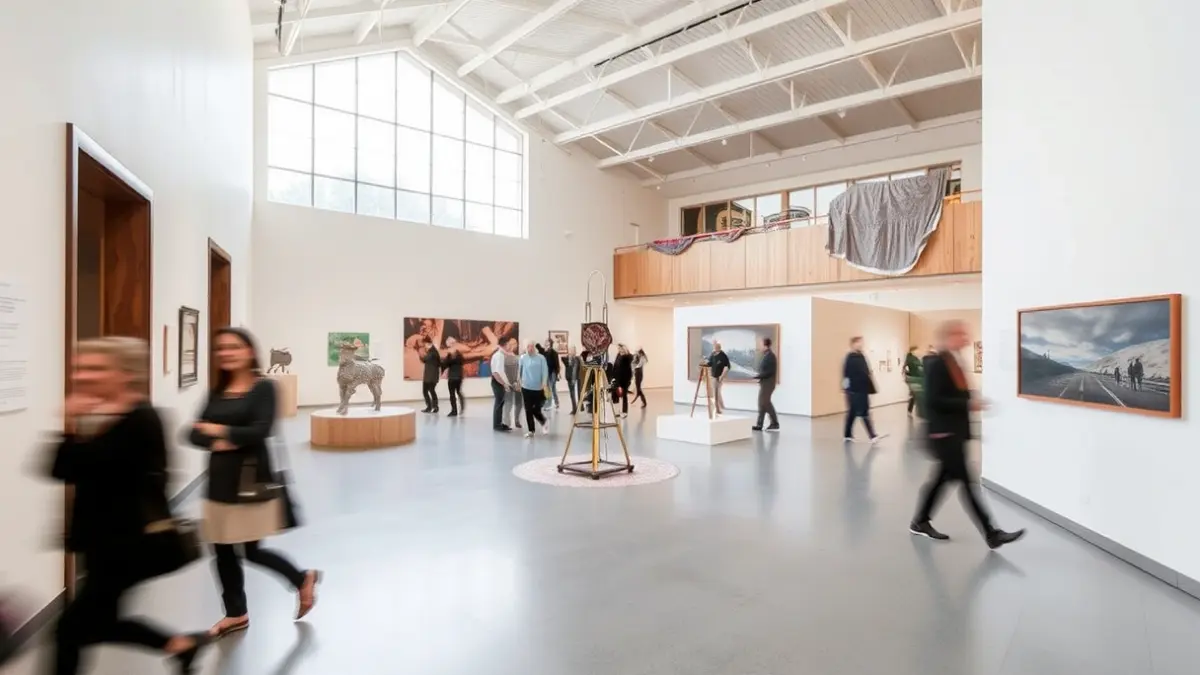
Far from being a mere architectural reform, the project represents a complete transformation that combines heritage restoration, expansion of spaces, and a redefinition of the museographic discourse, aiming to adapt the institution to the demands of the 21st century. Currently, the final touches are being applied to the remodeling process, which has been complex due to the nature of the structures. Last Sunday saw the dismantling of cranes, and approximately 1,000 artworks from its collection are now being installed to form the semi-permanent exhibition that will greet visitors when the Euskal Museoa reopens in June.
“"The idea is that they will be replaced periodically so that the 5,000 works that make up the museum's collection can be admired by the public on a rotating basis."
The transformation process has not been without its challenges. During the works, unforeseen structural problems, common in very old buildings, emerged, necessitating changes to the initial plans. These complications led to delays in the scheduled timeline, as the space was originally expected to reopen in 2024.
The renovation has involved an investment of twenty million euros, jointly contributed by the Provincial Council of Bizkaia and the Bilbao City Council. The project was developed by the Navarrese studio Vaillo + Irigaray Architects, led by the architects.
Beyond its architectural dimension, the project also entails a redefinition of the museum's model. The intervention seeks to transform it into a more open, dynamic, and relevant space, capable of acting as an international window to Basque culture and establishing itself as a benchmark within the European museum landscape. The Misericordia building will house the future museum's exhibition space, spanning 6,400 square meters, more than double its previous size. Here, new exhibition languages and cutting-edge technological resources will invite visitors to explore the roots of Basque culture, its language, its territory, and iconic pieces or anthropological treasures from the various territories of Euskal Herria. Access to the future museum will be through the Kurtze space, which has been connected by a glass gallery that will fill the area with natural light.
Architecturally, it stands out as a large, hollowed-out volume, featuring new exhibition languages and advanced resources. At one end, an immersive atmosphere will be created thanks to a large multimedia model projected onto one of the four-meter-high walls. In the central area and the stands, a large display case and sound resources will help visitors discover the Basque language through various voices, highlighting its richness and continuously evolving living character. This area's proposal is completed by an exhibition setup simulating an oak forest, where the public can delve in to discover iconic pieces associated with Basque culture, presided over by the old Gernika oak tree. The exhibition offering also includes the Gastrolab, a gastronomic laboratory for workshops and creation, a temporary exhibition hall, a visitable storage area, and a knowledge area, among others.