The Basque Government, the provincial councils of Gipuzkoa and Bizkaia, and the city councils of Donostia and Bilbao, along with Real Sociedad and Athletic Club, have submitted an official document to FIFA expressing their "willingness to continue in the process" to be a joint host for the 2030 World Cup. However, this proposal sets "red lines" against certain FIFA "demands," warning that neither city will renounce its summer cultural and sporting agenda or indiscriminately cede urban spaces.
The institutions estimate a minimum operational cost of 30 million euros for participating as a joint host. This figure could rise to 40 million without including the necessary investments in infrastructure, mobility, security, technology, and facility adaptation, such as the ongoing work at the Anoeta stadium to increase its capacity.
FIFA's confidentiality clauses limit transparency, but hosting entails multimillion-euro investments. The option of a joint bid between Donostia and Bilbao was chosen to control costs, as a single city hosting multiple matches would significantly increase the total expenditure.
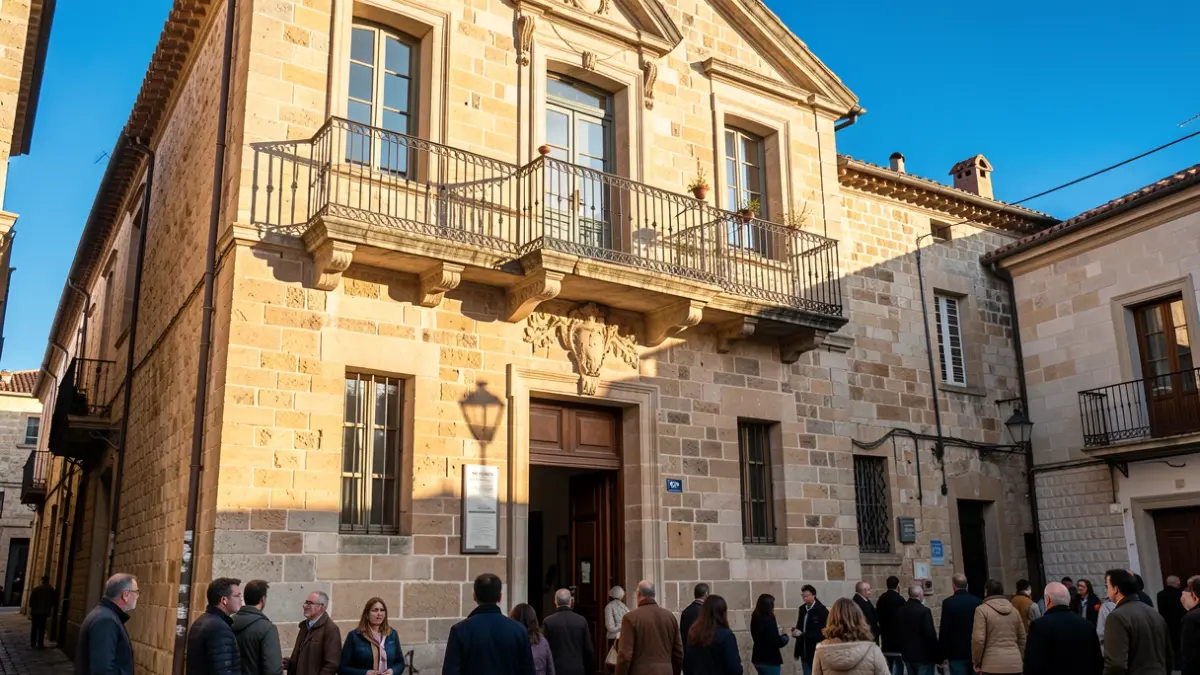
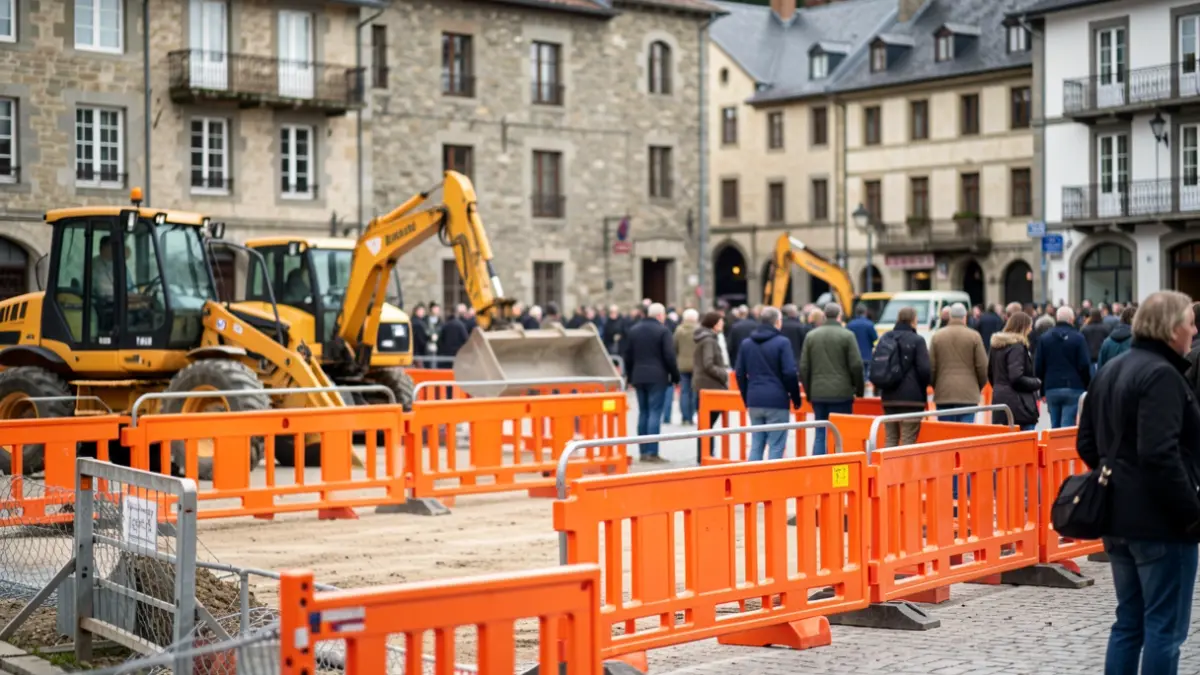
Beyond the economic aspect, the institutions have set "red lines" such as respecting the cultural and sporting agendas of Donostia and Bilbao during June and July, aiming to make the World Cup compatible with events like the Donosti Cup, Jazzaldia, or BBK Live in Bilbao. They also express reservations about blocking large urban areas for weeks according to FIFA's needs, which could affect their chances of being selected as host cities.
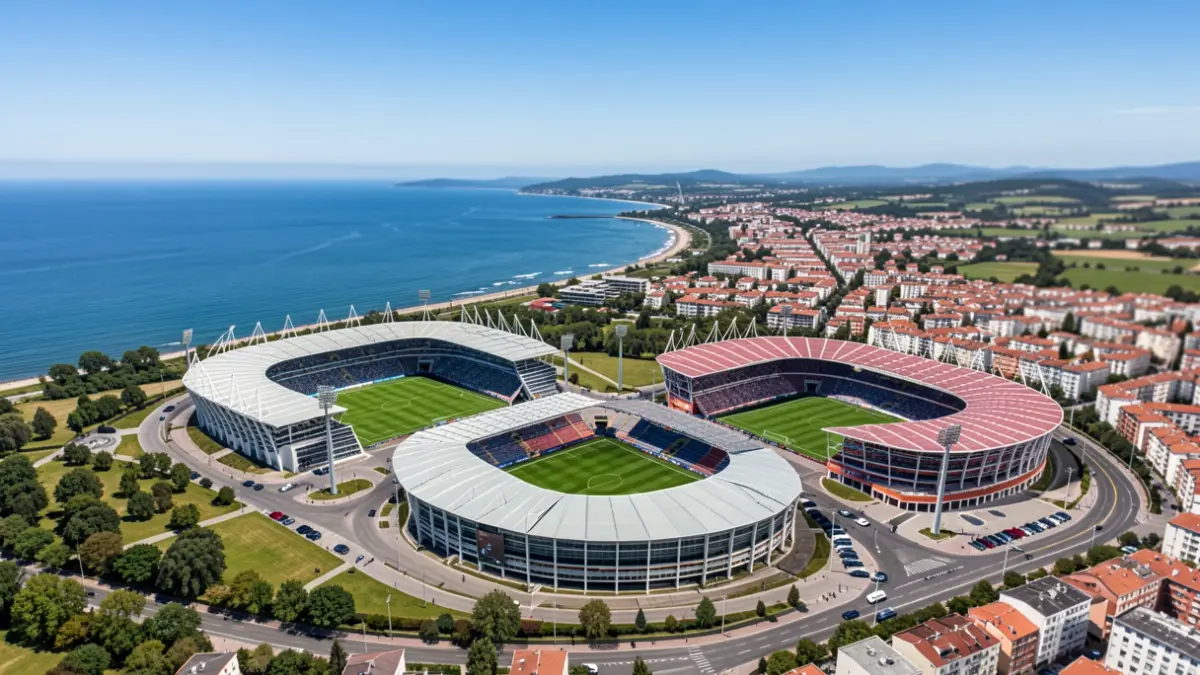
The Basque institutions have communicated their "willingness to continue in the process" by meeting FIFA's deadlines, following studies and analyses that prioritize the general interest and the country's perspective. The official documentation was submitted on Sunday, proposing that San Mamés and Anoeta jointly host the group stage matches, with two games at each stadium under a single institutional budget.
The decision follows doubts expressed by the mayor of Donostia, Jon Insausti, regarding FIFA's "harsh conditions." The Basque administrations note that FIFA did not consider the "red lines" document presented in 2024 during its stadium visit, which led to a thorough analysis of the implications of accepting all requests.