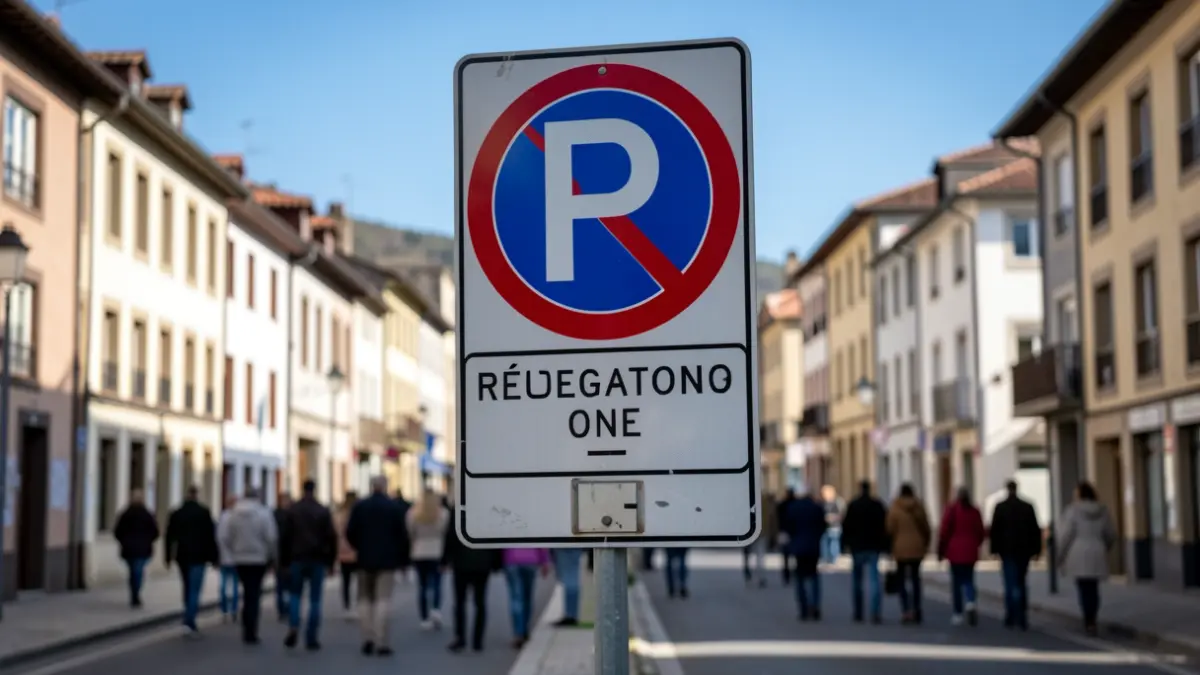

The Federation of Neighborhood Associations of Bilbao (FAVB), representing the city's neighborhood groups, has announced its intention to challenge the new terrace ordinance proposed by the Bilbao City Council. The organization is preparing a comprehensive set of objections, questioning both general aspects of the ordinance and specific impacts on different neighborhoods. Several associations are expected to submit their own texts, a deluge of proposals that could delay the final approval of the regulation, which the PNV-PSE governing team had hoped to finalize before summer.
“"The most important thing is that the City Council applies a blanket approach across the entire city, and the situation is not the same in Abando, Casco Viejo, or Marzana, as it is in Otxarkoaga or San Ignacio."
Marisa Fernández, spokesperson for the FAVB on this matter and secretary of the Uribitarte Anaitasuna collective, has highlighted three crucial points in their objections. Firstly, she criticizes the ordinance for applying uniform criteria across the city, without considering the differences between neighborhoods. For example, the 2.90-meter passage that must be left between the facade and the terraces may be sufficient in some areas but not in others with much higher pedestrian traffic. This point was already dismissed by the governing team, despite all opposition parties sharing the neighborhood associations' view.
Secondly, the regularization of outdoor bars and shelves that establishments install on their facades is being challenged. Fernández explains that these elements, tolerated until now, occupy public space without proper authorization, as previously ruled by the Ararteko (Ombudsman). The new ordinance, by acknowledging their existence and regulating their use, legitimizes them, which poses a problem for people with reduced vision, for general pedestrian traffic, and exacerbates noise issues by encouraging standing consumption.
Finally, the FAVB criticizes the failure to consider the footprint of terrace occupation per street section. This means that each hospitality establishment's usage is regulated individually, without taking into account whether it is located in an already saturated area. Fernández cites areas such as Ledesma, Licenciado Poza, and García Rivero as examples. The deadline for submitting objections is late May, and the federation will take its time to refine its proposals. The main objective is “to defend the right to rest and transit of citizens and to decongest the most stressed areas of Bilbao from terraces.”