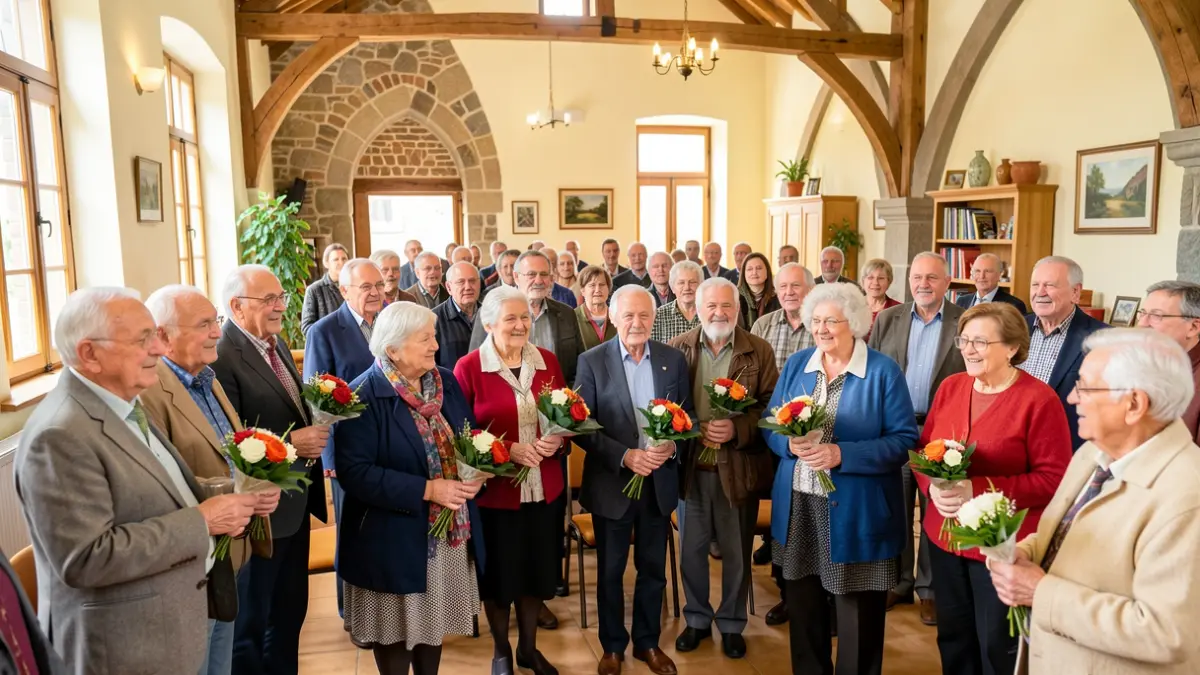
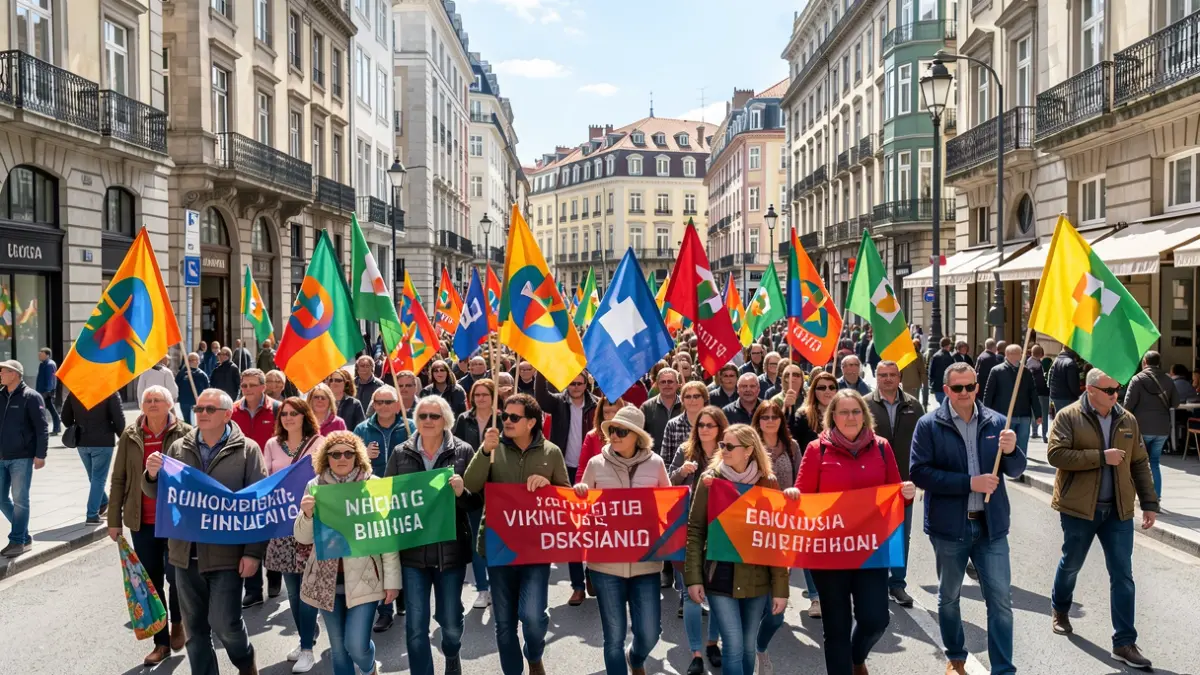
A blend of enthusiasm and responsibility has marked the start of Ibilaldia, which, according to Haizea Etxebeste, president of Kirikiño Ikastola, highlights "everyone's commitment" to defending the Basque language. Forty-nine years ago, "dreamers" initiated this educational project, with Basque culture as its core identity.
Promoting and fostering the language guides Kirikiño, creating a community in Txurdinaga and its surrounding neighborhoods that lives and creates in Basque. Etxebeste also acknowledged "Urretxindorra, Abusu, and Harrobia," the other three ikastolas in Bilbao, who share the same objective: a Basque-speaking society.
It is a "shared responsibility" to support the promotion of the Basque language.
Bilbao's mayor, Juan Mari Aburto, stressed the necessity of supporting the Basque language as a "shared responsibility" between institutions and society. The clear goal is to forge a future where Basque is central. The mayor urged all stakeholders to engage for the sake of the language, framing it as a matter for "ikastolas, families, and the City Council".
Echoing this collaborative spirit, Begoña Pedrosa, the Basque Government's Minister of Education, stated, "Only together can we build the future of Basque." Pedrosa illustrated how the language is spread through children, noting the impact of simple invitations like 'come with us' to newcomers.
The evolving classroom dynamics are also reflected in Basque language usage. Despite many students not having Basque as their mother tongue, the minister highlighted the opportunity to attract these individuals to the language. "It's silent work, but Basque needs people. And children are the ones building the future daily," she emphasized.
The "thousand colors" of Basque form the foundation for an "opening tool," according to Elixabete Etxanobe, the Deputy General of Bizkaia. Speaking, living, and enjoying in Basque is a "movement from within," and Etxanobe praised Kirikiño's efforts in "opening and spreading" the language to all who are interested.
The ikastola model educates and trains students with Basque as its foundation, working to "strengthen the Basque community," as stated by Josu Telleria, president of Ibilaldia. "We are Basque and we work daily with pride and commitment to spread the language," he affirmed.
Before the walk began, a significant moment occurred when Kirikiño Ikastola passed the baton of Ibilaldia to Bihotz Gaztea. This ikastola from Santurtzi will host the event for the third time in its history, following previous experiences in 1995 and 2018. Its president, Asier Valle, urged attendees to "look at the world" with "Basque culture" as a central pillar.