Osakidetza and the Cancer Association in Gipuzkoa sign collaboration agreement for volunteering
The agreement aims to coordinate volunteer activities to promote health and humanize oncological care.
By Gorka Uriarte Mendizábal
••2 min read
IA
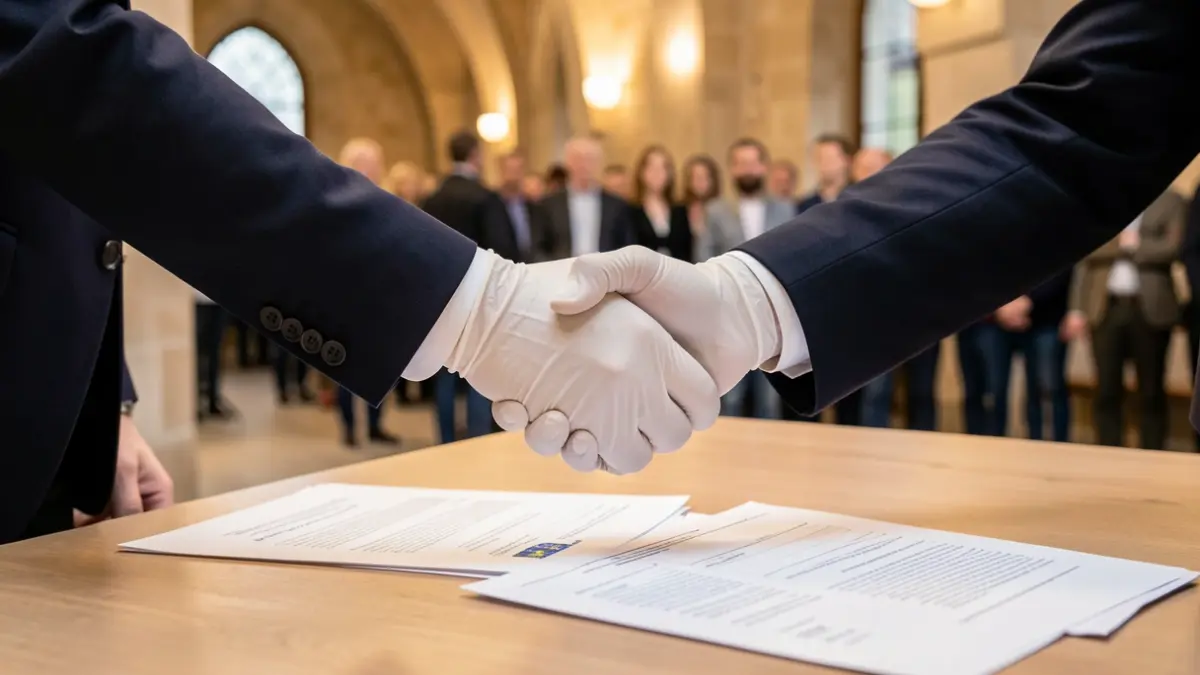
Generic image: agreement between two hands symbolizing collaboration between a health service and an association.
Osakidetza and the Cancer Association in Gipuzkoa have signed a new collaboration agreement to coordinate volunteer activities and enhance health promotion.
The main objective of the agreement is to establish lines of collaboration between both organizations for the coordinated development and execution of volunteer activities. In this way, they seek to advance in health promotion, disease prevention, and equity across all phases of the oncological process, through an integral and humanized care model.
The agreement was signed by Marisa Arriola Nieto, president of the Cancer Association in Gipuzkoa, and Maite Martínez Zabaleta, managing director of OSI Donostialdea. This agreement will strengthen the collaboration between Osakidetza and the association, as well as citizen participation in health determination in Euskadi, as outlined in the Health Pact.
“
"This agreement is not just a signature; it is the sum of wills. It reflects a way of understanding healthcare where not only the treatment matters, but also how that process is lived. Because a cancer diagnosis affects not only the physical, but also the emotional, social, and daily aspects. And that is where accompaniment gains its full meaning."
“
"The signing of this agreement and the inauguration of this new space represent a fundamental step in our commitment to humanize oncological care, integrating the work of volunteers as an essential complement to our care efforts. At OSI Donostialdea, we understand that caring goes beyond medical excellence; it is about accompanying the patient and their family, ensuring that, at all times, they feel supported, informed, and respected."
Changes in lifestyle habits and increasingly effective treatments have led to an increase in the incidence and prevalence of cancer. More and more people are living with the disease, which translates into the need for greater care that transcends conventional medical treatment, such as accompaniment, physical exercise, or psychosocial support, among others.
In this context, the agreement will allow both organizations to work in a coordinated manner, with the aim of reducing the impact of cancer on affected individuals and incorporating a more holistic approach that contributes to the humanization of the oncological process.