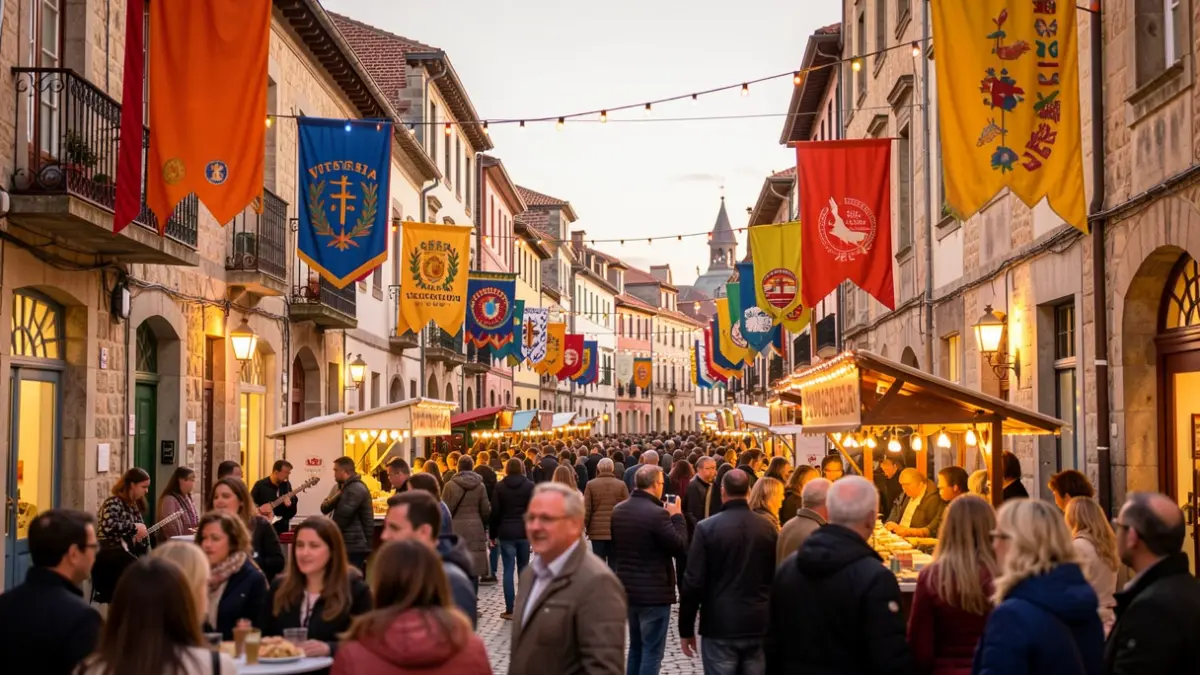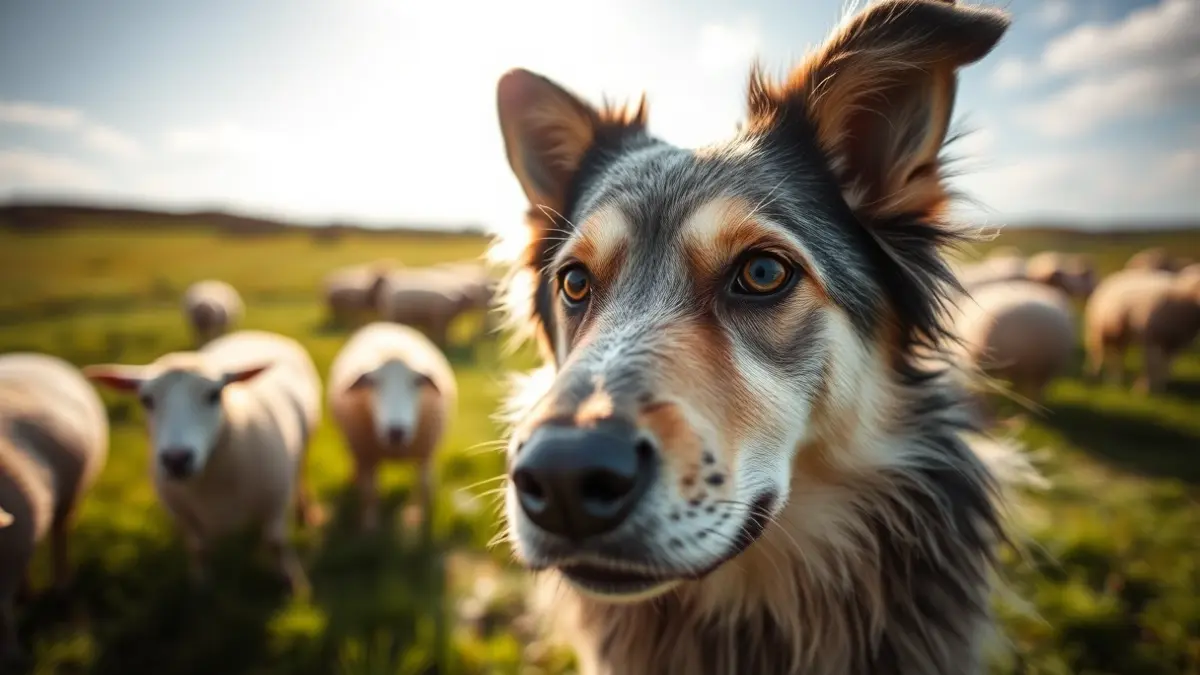
The 13th livestock fair in Turtzioz highlighted the essence of Basque traditions, drawing a significant crowd. The event featured sheepdog demonstrations, where six shepherds showcased their dogs' skill in herding sheep. Most of the dogs were of the Basque shepherd breed, with one exception, known as iletsua.
Additionally, eighteen dogs participated in a monographic event that served as the Euskadi championship. This indigenous breed is characterized by its hazel-colored eyes, short, dense, and smooth coat, and a specific height at the withers that varies between males and females. From one year of age, dogs must undergo a qualification test and score over sixty points to be deemed suitable for reproduction.
“"In our country, we don't have anything similar to the concept of these celebrations, which help bring the community together around its traditions. Maybe baseball or soccer, but with all these activities and for free? No."
The animal section was complemented by exhibitions from local farmers, displaying cows, goats, sheep, and horses, and a demonstration of Herri Kirolak (Basque rural sports) also took place. The fair also featured food stalls and craft stands, where Anna Jiménez presented her handmade jewelry and Malaka delicias offered their artisanal puff pastries.
However, a local beekeeper noted a lower turnout compared to the previous year and expressed concern about the decline in bee populations due to diseases, pollution, and pesticides, emphasizing the importance of supporting natural practices.