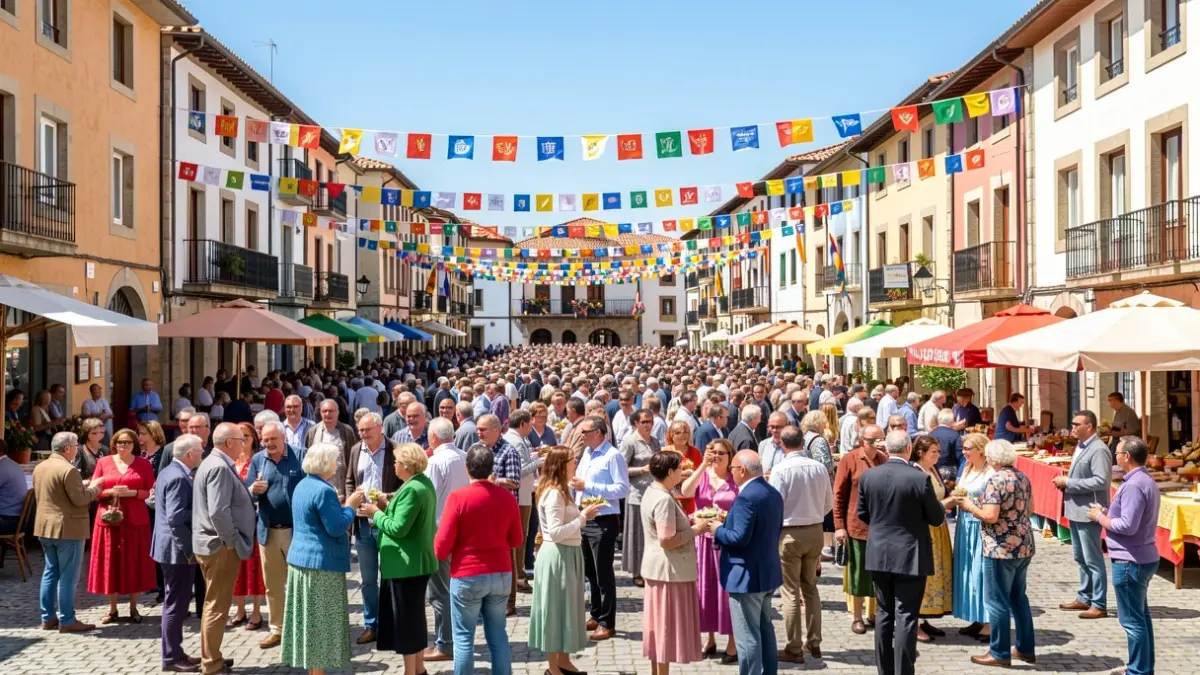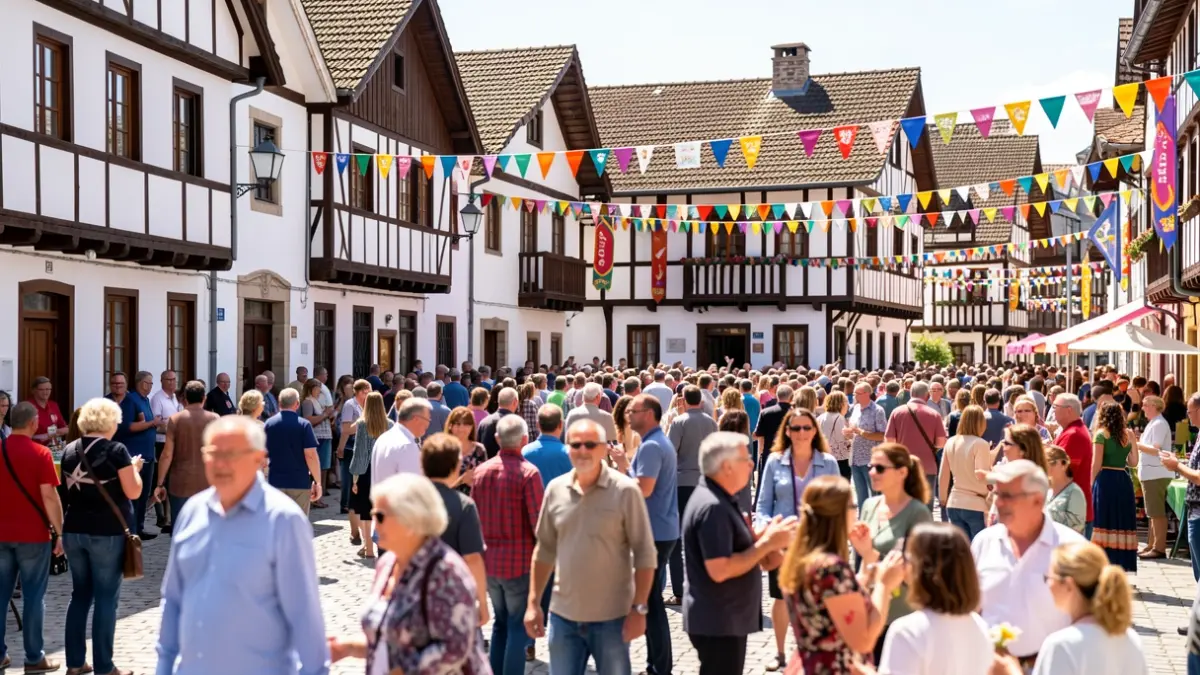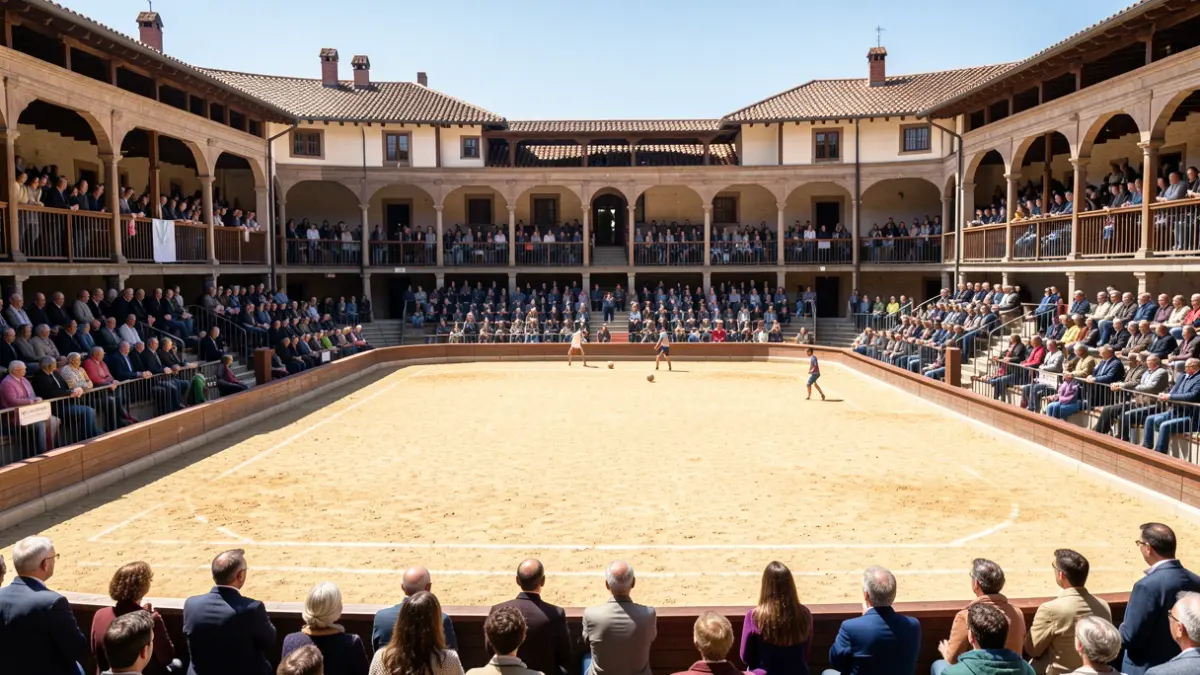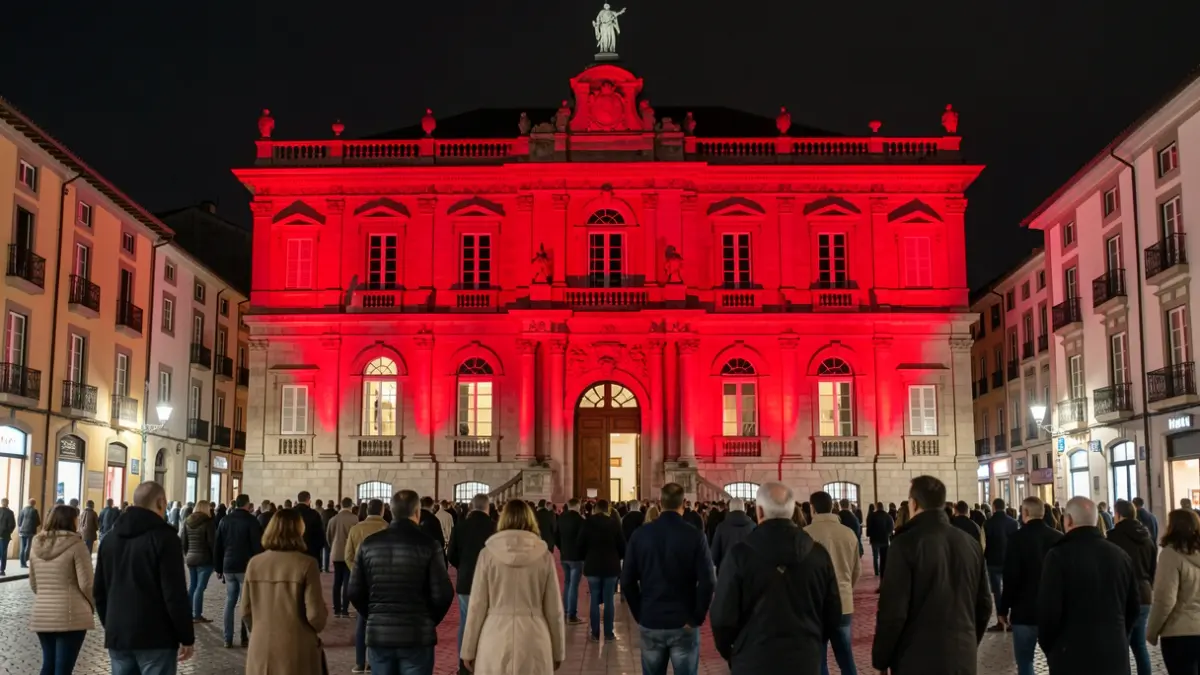
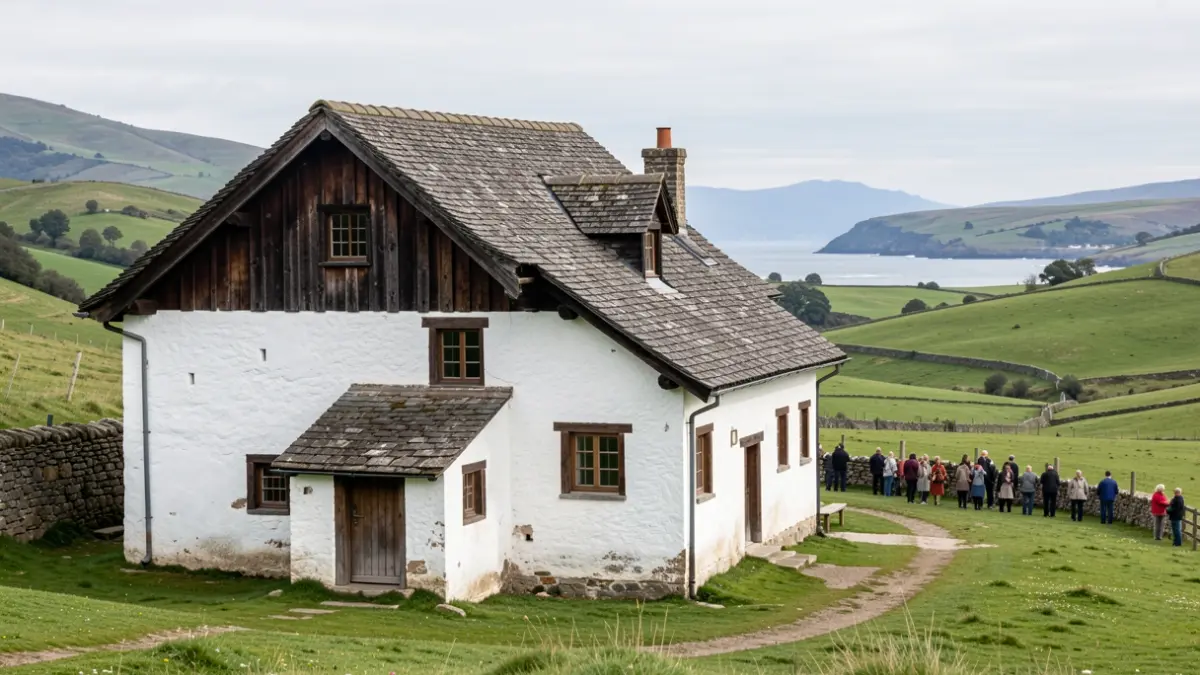
This collection of verses, compiled by Josu Salegi, captures the experiences of the sisters and their descendants from the Samartin neighborhood in the Garai area. It reflects the stories, work, and daily experiences of women across four generations, highlighting their memories and their eagerness to sing.
The collection, starting from a house in the Maxen area, gathers the accounts of five sisters and their grandchildren. Begoña, Arantxa, Maria Pilar, Mailu, and Urrategi are the protagonists, each recounting aspects of their family and life.
The hardship of labor is emphasized, particularly in the cases of Marixa and Joxe Luix, describing the effort involved in working in the 'casas baratas' (cheap houses) and raising thirteen children. The work done by mothers at home and outside, as well as women's participation in society, is detailed, such as sewing sweaters and skirts through the 'sección femenina' (women's section) or working as midwives.
Childhood games and memories also find a place, such as 'sokarantza' (a type of rope game), 'zapoka' (a game involving throwing stones), marbles, and walnuts. The ringing of Samartin's bells and the annual events of the 'Reloj' (Clock) tower are also recalled, as well as the political education of young people and their future professions.
The collection, overall, depicts the way of life of the past, emphasizing the importance of work and family, and offering songs in honor of these women.