Durango is hosting the HAUTESKUNDEAK laboratory from today, Monday, October 26, until next Friday, October 30. This initiative seeks to explore new forms of democratic participation based on the perspective and proposals of children and adolescents.
The project, developed within the framework of PATXE Ekimena, a shared initiative by the Directorate of Social Innovation and Agenda 2030 of the Basque Government and Deusto Cities Lab Katedra, starts from the premise that a democracy aspiring to strengthen itself needs to find new ways to listen to, recognize, and incorporate the voices of children and adolescents in the construction of the common good.
From this perspective, Haurteskundeak proposes going beyond conventional models of child participation and experimenting with a model of symbolic, cooperative, and non-competitive elections, using the 18 Sustainable Development Goals (SDGs) of Euskadi as a reference. The initiative does not aim to replicate traditional electoral processes, but rather to use play, deliberation, and participation as tools to explore new forms of democratic involvement.
Ultimately, it is about recognizing children and adolescents not only as recipients of public policies but as active subjects, capable of contributing proposals, perspectives, and new ways of understanding collective affairs.
Five working groups to build the project
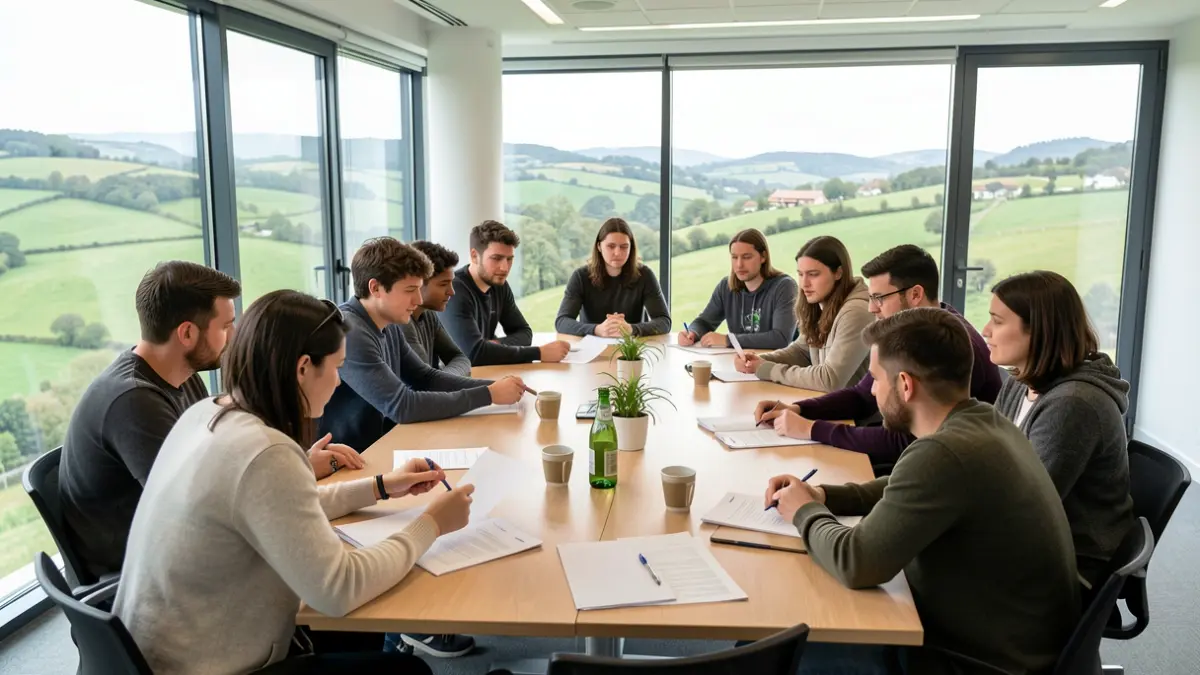
For five days, Durango becomes a space for collective encounter, reflection, and experimentation, involving representatives from public institutions, social organizations, universities, political parties, and experts from various fields.
The laboratory is structured into five complementary working groups, designed to address the different dimensions required for the design and implementation of Haurteskundeak, combining conceptual reflection with the practical conditions necessary for its development.
The first group, dedicated to childhood and adolescence, will address the participation rights of children and adolescents, their needs, and the conditions necessary to guarantee real and meaningful involvement, with the participation of agents linked to the defense of children's rights, the educational field, and associative networks.
The second, focused on political play, will include representatives from various political parties and the Basque Parliament to explore new forms of democratic participation and deliberation from the perspective of children and adolescents.
The third group will analyze aspects related to the project's logistics and operations, from legal and organizational issues to the resources and mechanisms needed to make such an experience viable.
Meanwhile, the fourth group will focus on communication and data, exploring how to convey the initiative to society, ensure accessible and understandable communication for different ages, and address the treatment of information generated during the process.
Finally, the fifth group will be dedicated to governance, aiming to reflect on the model of coordination, collaboration, and decision-making that will allow the project to continue and articulate the participation of the various stakeholders involved.
A space for encounter and collective construction
The inaugural session served to present the approach of Haurteskundeak and to begin a shared work process addressing the challenges and opportunities presented by the participation of children and adolescents in democratic life.
Throughout the week, the sessions will allow for contrasting perspectives and knowledge, and for advancing the collective definition of a proposal that places children and adolescents at the center of reflection on the future of democracy.
HAUTESKUNDEAK thus constitutes a space for social innovation and democratic experimentation that seeks to connect knowledge, experience, and participation to move towards more open, inclusive, and cooperative models, capable of incorporating new voices and perspectives in the construction of the common good.