The BateraLabs initiative, driven by the Sustainability Department of the Gipuzkoa Provincial Council and Naturklima to develop strategies against climate change, has gathered 130 citizen ideas. These were debated on Monday during the second session of the participatory process for the Donostialdea region, where urban heat, noise pollution, and excessive waste generation emerged as key public concerns.
Concrete measures have been proposed to address these issues. For heatwaves, new climate shelters are suggested, alongside adapting workplaces and urban environments for greater resilience. Regarding the circular economy, proposals aim to reduce waste generation by 15% over the next decade, increase selective collection and organic matter separation, decrease waste accumulation on the coast, and enhance citizen co-responsibility in waste management.
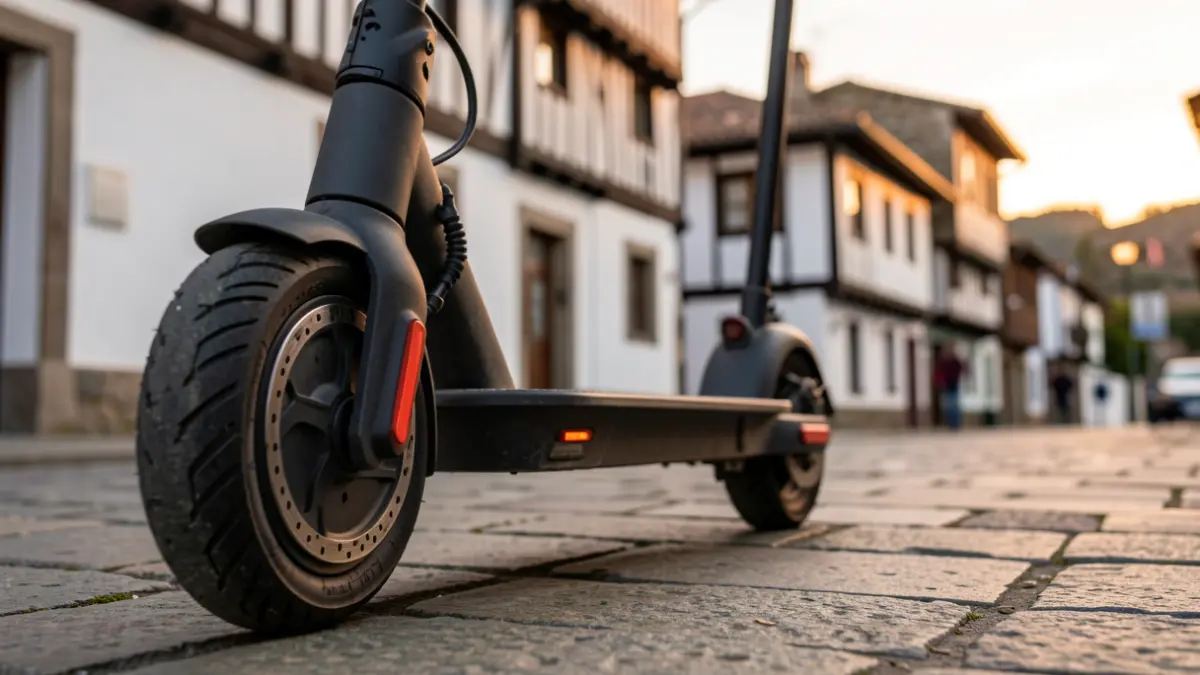
Sustainable mobility was another central theme of the discussion. Participants proposed measures to cut traffic and greenhouse gas emissions, improve connectivity between city points, advance public transport service hours, and promote the electrification of mobility and certain urban services.
Additionally, proposals focused on urban regeneration and biodiversity enhancement were discussed, emphasizing the creation of greener environments, ecosystem connectivity, and adapting urban spaces to new climatic conditions.
The process also facilitated a reflection on environmental governance and forest space management, highlighting the need to strengthen forest conservation and move towards management models that more effectively combat climate change.
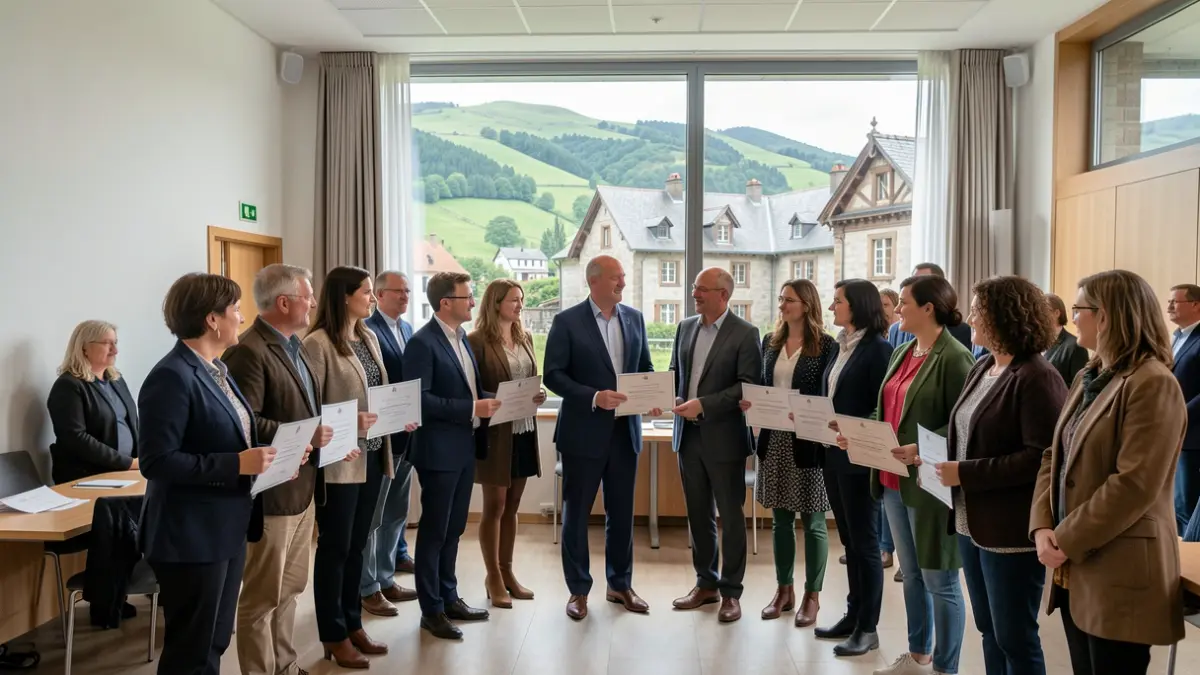
Approximately forty social, economic, and institutional agents from Donostialdea participated in the second session of the BateraLabs participatory process, following an initial meeting in March.
The second day focused on developing, deliberating, and prioritizing specific proposals to tackle the identified climate challenges in the region. Participants worked on 11 challenges and 16 action plans across five main areas: health and urban heat, circular economy, governance, sustainable mobility, and urban regeneration.
The Deputy for Sustainability and President of Naturklima, José Ignacio Asensio, emphasized, "Climate action requires the involvement of citizens and territorial agents to build shared solutions. We want the ideas emerging from BateraLabs to be ambitious, yet realistic and executable, so they can become concrete projects that improve people's lives and strengthen the resilience of our regions."
The prioritized proposals will be integrated into the 'Citizen Portfolio of Climate Actions,' a tool that will compile initiatives from each region and be presented to relevant administrations and stakeholders to facilitate their implementation.
The BateraLabs process in Donostialdea will conclude with a third and final session, where participants will decide which climate action project will ultimately be developed in the region based on the prioritized proposals.