This exceptional paleontological find occurred in 2023 and was publicly presented on November 3, 2026. Studies indicate the animal died approximately 31,500 years ago and is estimated to have been a male between two and three years old. The discovery will help expand knowledge about this extinct species, particularly regarding its growth and development.
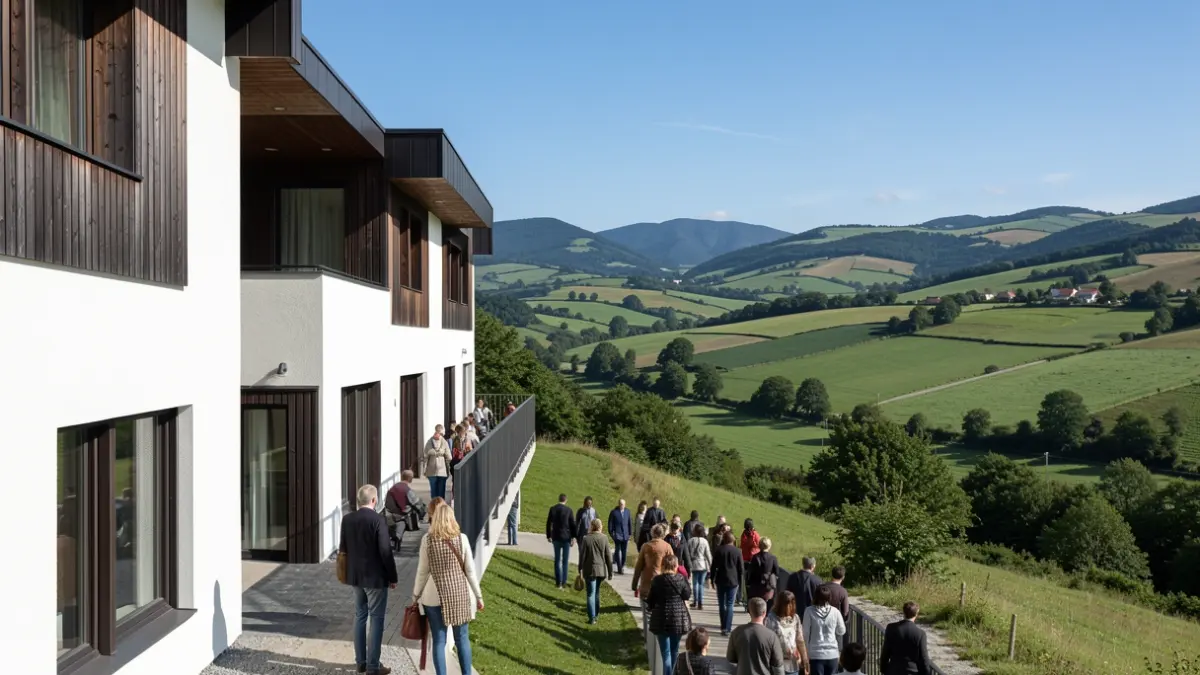
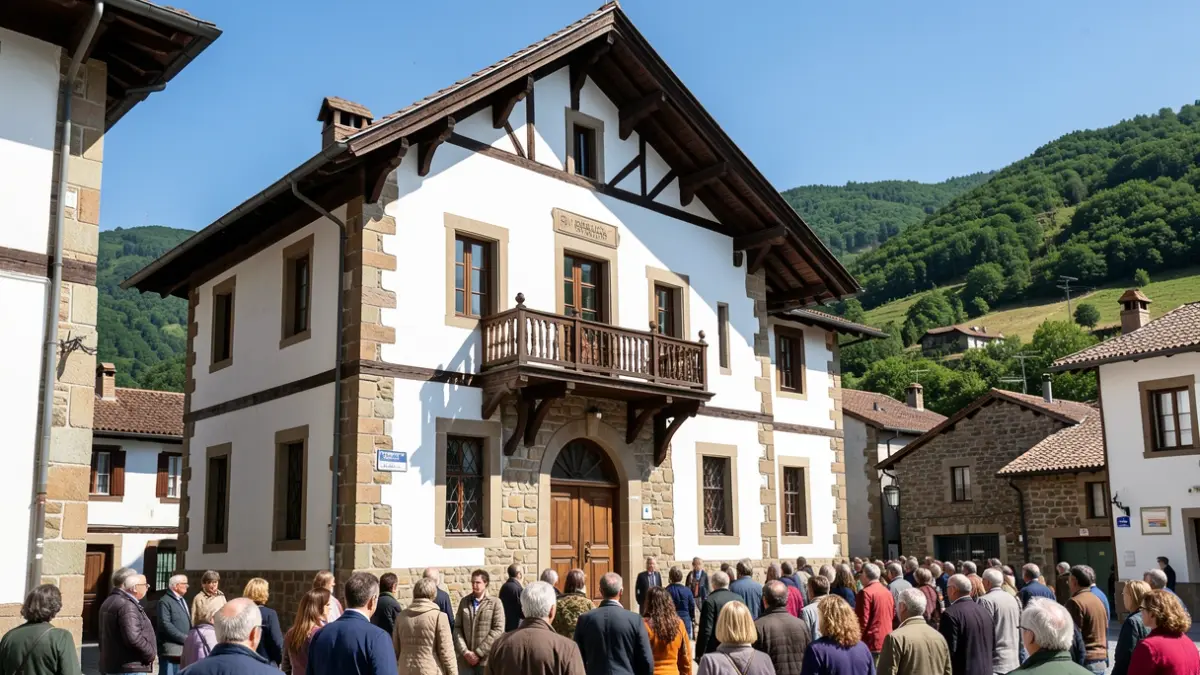
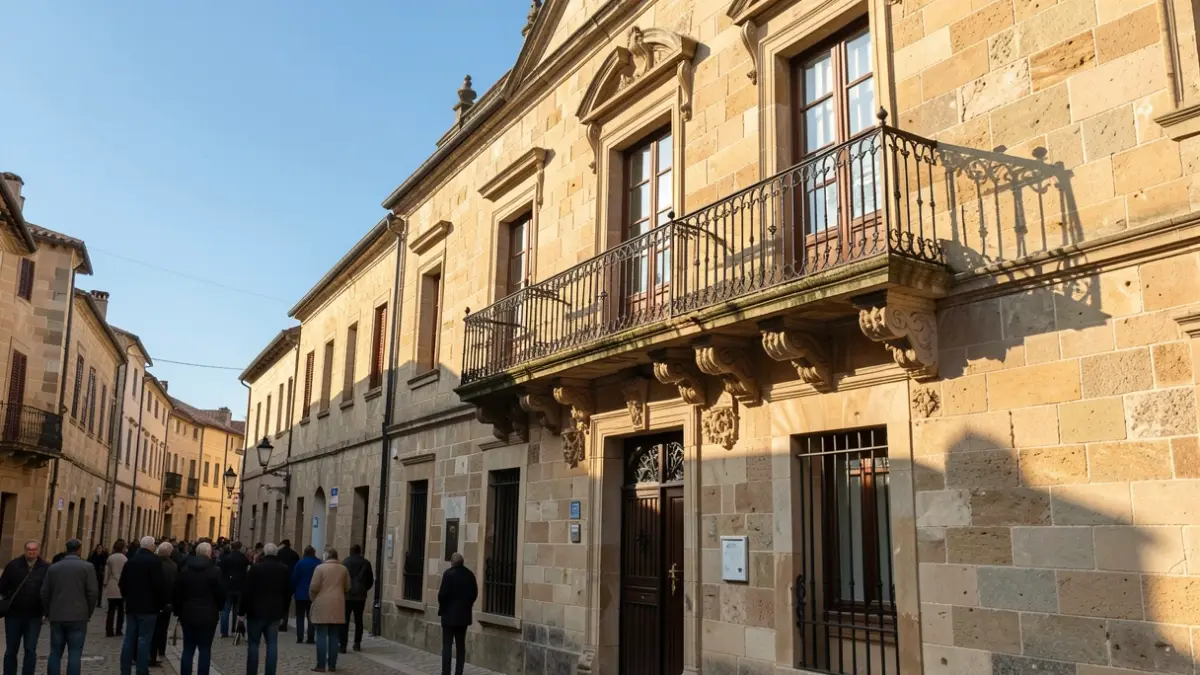
The presentation was attended by Goizane Álvarez, Provincial Minister of Culture; Enetz Ezenarro, Mayor of Mendaro; Xabier Kerexeta, Head of Collections and Museums of the Gipuzkoa Provincial Council; members of the Burumendi Speleology Group; and researchers Asier Gómez Olivencia and Alvar Manjón, as well as Antonio Casado, Director of Responsible Research at EHU.
Goizane Álvarez highlighted the scientific and heritage value of the discovery and the importance of preserving such testimonies of the past. "This finding allows us to better understand what our territory was like thousands of years ago and to comprehend the richness of a heritage that often remains hidden beneath our feet," she stated.
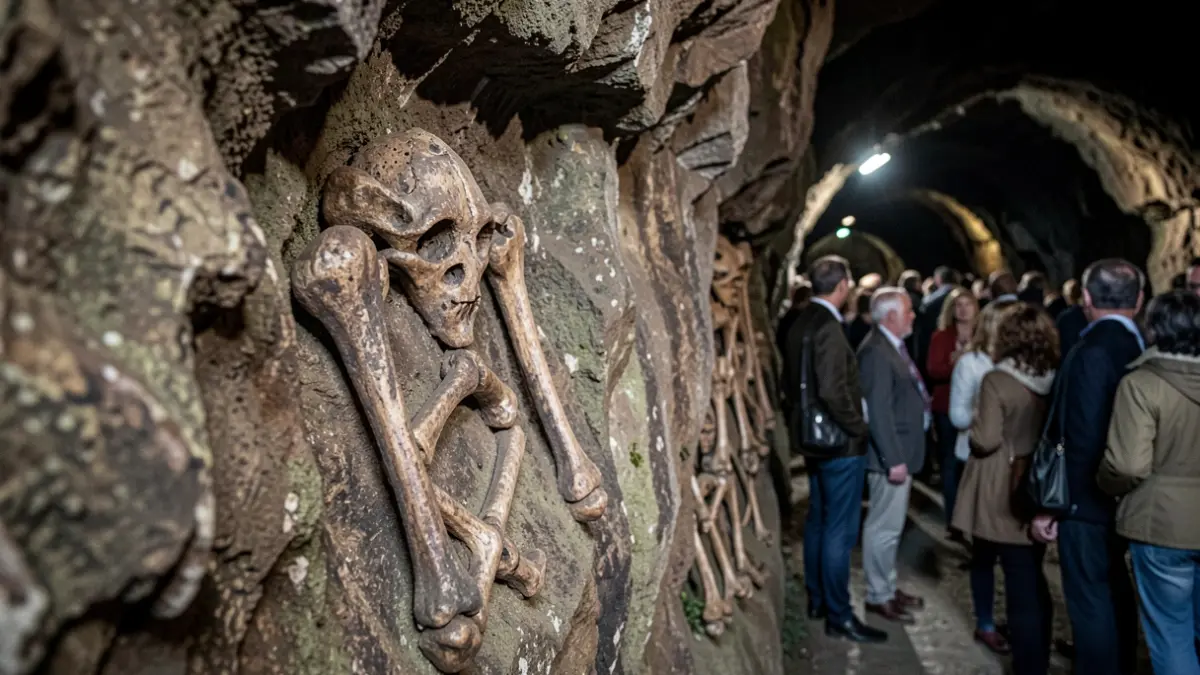
The discovery was made in March 2023 by members of the Burumendi Speleology Group, who located a new gallery in the Ormola Bide Ondoko Leizea cave in the Arno massif. There, they found the remains of a cave lion, some still in anatomical connection. The group immediately notified the Gipuzkoa Provincial Council, the Aranzadi Science Society, and the University of the Basque Country.
Excavation work took place between December 2023 and March 2024, under the direction of paleontologist Asier Gómez Olivencia. The recovery presented significant technical challenges due to the cave's characteristics. The skeleton was dispersed over an irregular area of just over two by one meter, within a narrow and steep gallery. The Burumendi Speleology Group installed a specific rope transport system to evacuate the fossils safely.
Analyses conducted so far identify the remains as belonging to Panthera spelaea spelaea, a subspecies of the Upper Pleistocene. Radiocarbon dating places the animal's death approximately 31,500 years ago. The study of the canines suggests it was a male, while the degree of bone development and fusion indicates it was between two and three years old.
Once recovered, the fossils were transferred to Gordailua, where conservation and restoration work has been carried out in the specialized Archaeology and Paleontology workshop. The condition of the bones varied. Research is ongoing, and the data will be compared with other European fossil records.