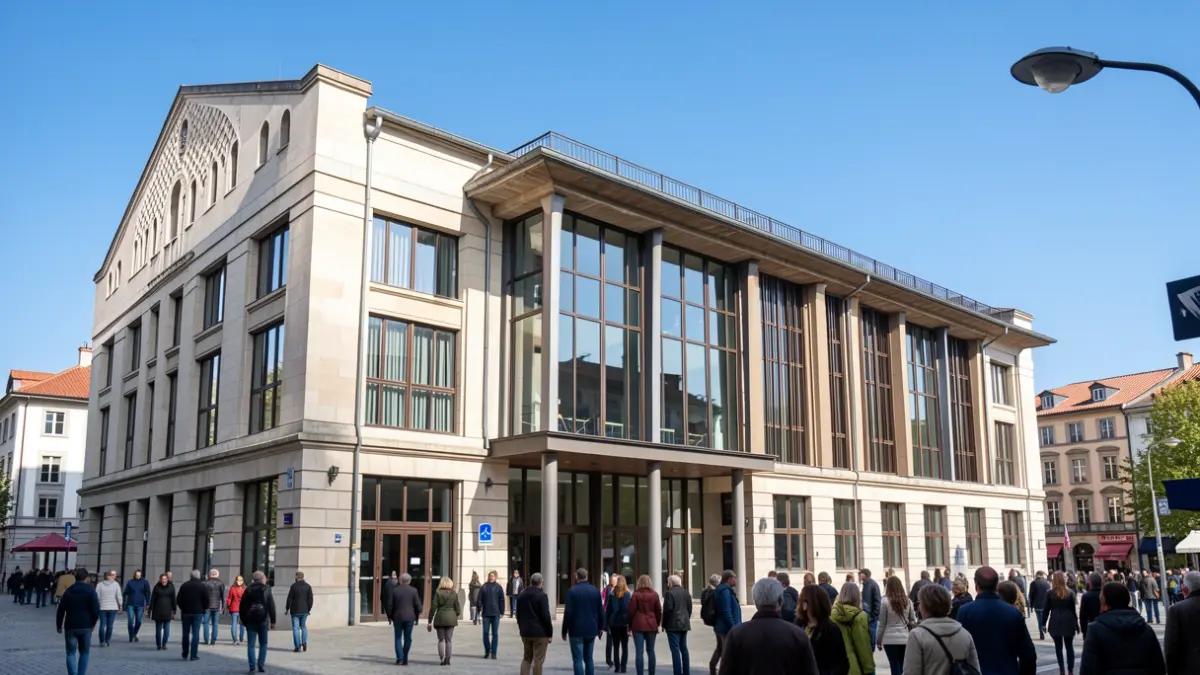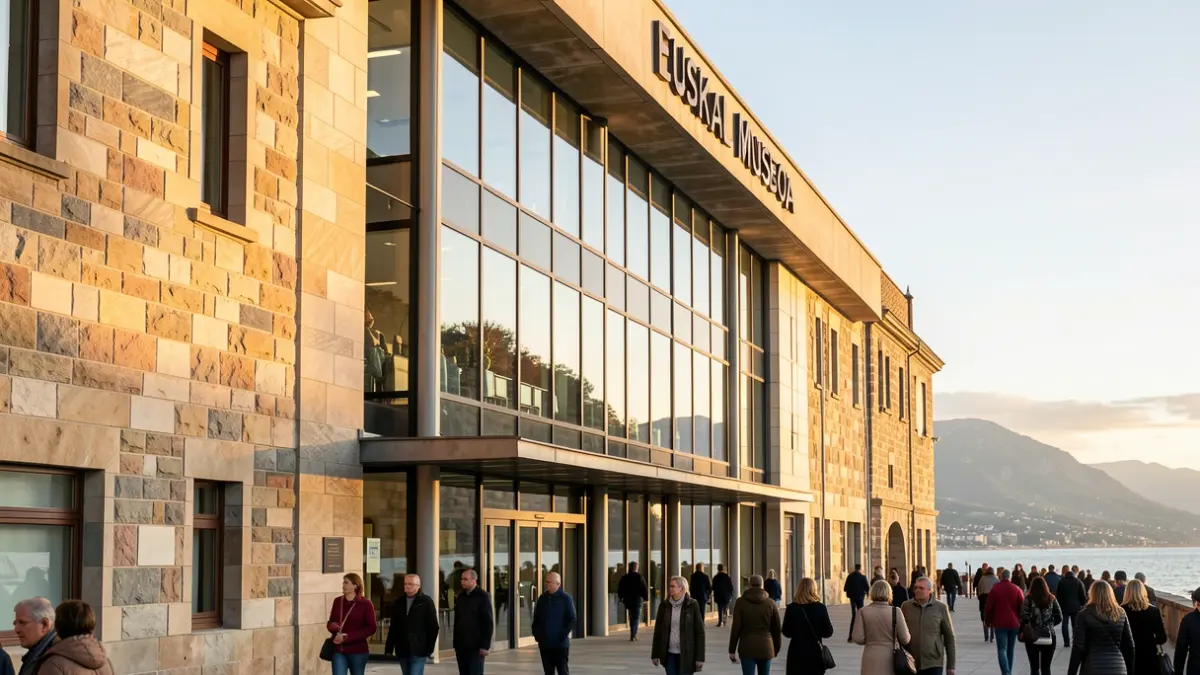
The Euskal Museoa in Bilbao, one of the most ambitious cultural projects in recent decades, will reopen its doors to the public on June 10th, offering free admission until the 21st. This comprehensive renovation has integrated buildings such as Kurtze, Misericordia, Unamuno, and the Cloister, enhancing internal circulation and accessibility.
The museum is designed around experiences and atmospheres to foster a participatory understanding of the Basque language, territory, traditions, and societal evolution. "We understand culture as a common good, a tool for social cohesion, and a driver for international projection," stated Bilbao's mayor, Juan Mari Aburto, during the presentation. The museum's collection comprises over 50,000 pieces.
The Provincial Council of Bizkaia and the Bilbao City Council have jointly invested 20.3 million euros, adding over 5,000 square meters of exhibition space. "The architectural and museographic intervention places the museum in a new dimension, not just in space but also in content," the mayor emphasized, noting the recovery of previously unexhibited collection pieces.
Approximately 800 professionals were involved in the project, utilizing materials such as 200,000 kilograms of steel and 12,000 m2 of lime mortar. The result is a modern, open, and contemporary museum, serving as an entry point and projection hub for Basque culture. The new volumes will house the permanent exhibition on Basque culture, enhanced with state-of-the-art audiovisual and technological resources.
Elixabete Etxanobe, the Deputy General of Bizkaia, highlighted: "In a world where homogenization threatens cultural diversity, defending who we are is not an exercise in nostalgia; it is an obligation." She also noted the museum's dual function, "inward and outward."
The construction, which took four years longer than initially planned due to the pandemic and rising costs, was described by the museum's General Director, Sorkunde Aiarza, as "a challenge met." The responsible architect, Antonio Vaíllo, stated that the design represents a "synthesis of what was there," blending Roman classicism with contemporary architectural tradition.
The museum now boasts 6,400 square meters of exhibition space, a 38% increase. In addition to the permanent exhibition, it will feature a visitable collection storage, a gastronomic laboratory, and research areas. Bilbao thus recovers a key space for Basque identity, with the aim of increasing visitor numbers and international projection.