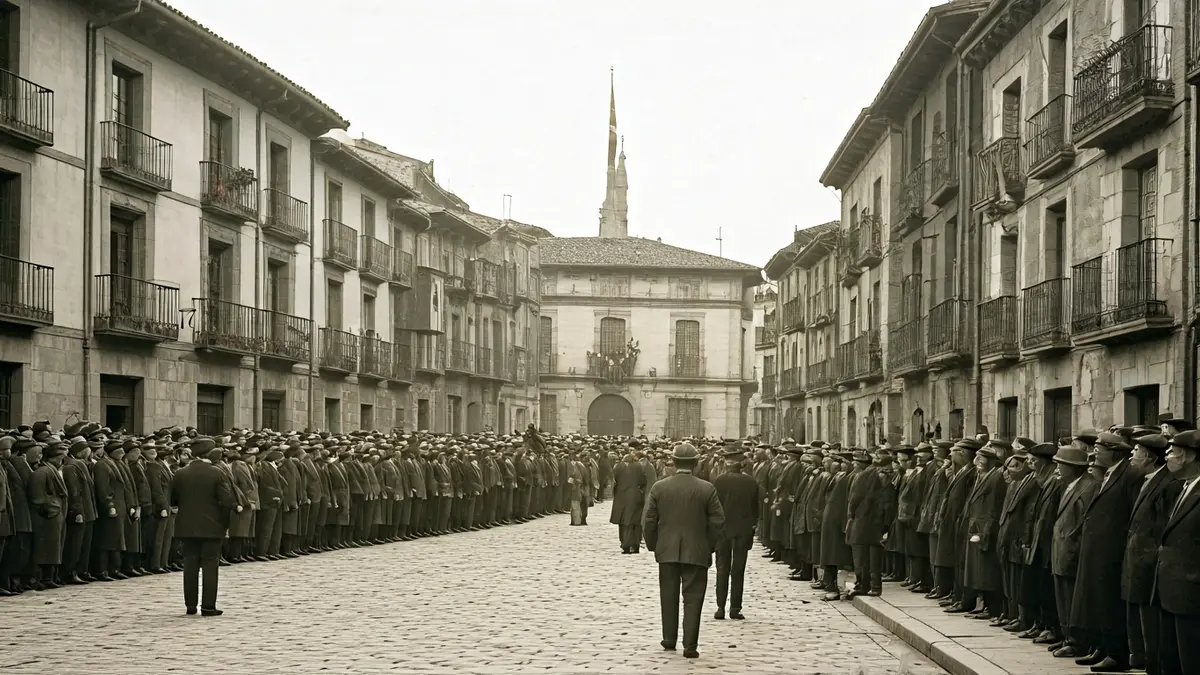
April 14, 1931, was not a day of visible rupture in the streets of Vitoria, but rather an institutional handover that occurred with relative normality. Following municipal elections, interpreted as a rejection of the monarchy, the new republican legality was quickly established in the City Council and local institutions.
The city, at a slower pace than other urban centers in the country, witnessed the change with a mix of expectation and caution. The tricolor flag began to fly in official buildings as a period of reforms opened, promising to transform political and social life.
In Álava as a whole, however, the context was different from other provinces. The weight of the rural world, the influence of the Church, and the presence of traditionalist currents conditioned the reception of the new regime.
Alavese society was marked by a persistent division. For one part of the population, the Republic represented an opportunity for modernization. For another, it meant a profound alteration of the existing social and cultural order.
This tension was reflected in local politics and the debate on Basque self-government. Álava participated in the statutory process that culminated in 1936, albeit with reservations and more limited support than in Bizkaia and Gipuzkoa.
Five years after the proclamation of the Republic, the military coup of July 18, 1936, abruptly ended that process. In Álava, the uprising quickly prevailed. Vitoria came under military control in the first moments, without any significant organized resistance being articulated. The province thus became integrated from the beginning into the area controlled by the rebels.
This circumstance placed it in a different position from other Basque territories, where the war lasted for months. In Álava, the conflict took the form of a military-controlled rear guard from the outset.
The speed with which the territory fell into rebel hands did not prevent violence. From the first months, repression was deployed to eliminate any form of political or social opposition. Arrests, executions, and purges affected public officials, party militants, trade unionists, and people linked to social organizations. The repression extended beyond the war period and conditioned the life of the province for decades.
The post-war period was marked by scarcity, institutional control, and silence about what had happened. Many families lived for years with the lack of recognition of the victims and the impossibility of publicly reconstructing their history.
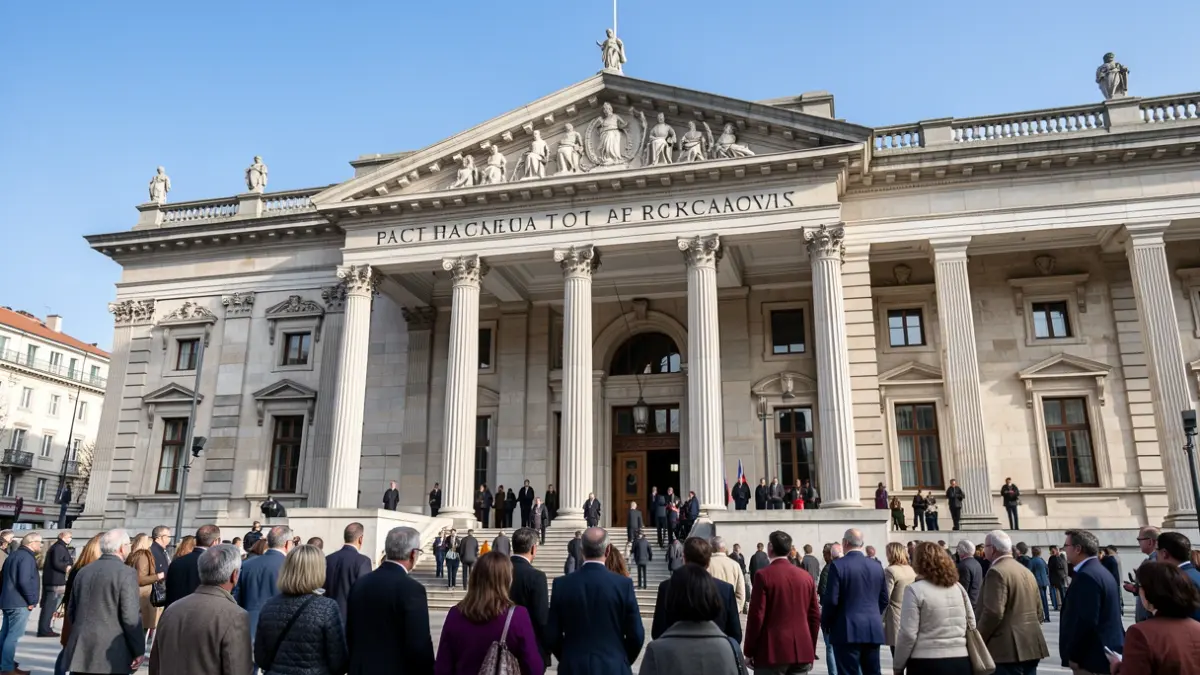
This Tuesday, April 14, the commemoration will also be reflected in the streets. At 7:00 PM, the Plaza de la Provincia in Vitoria-Gasteiz will host a gathering organized by the Republican Ateneo of Araba ERAIKI along with various associations. The event, open to the public, will combine cultural interventions with live music from the Republican Band, the participation of the Republican Choir, and the performance of a singer-songwriter, in a format that will also include a pintxo-pote as the closing of a call made from the sphere of memory, culture, and solidarity.