Traditional treasure hunts, familiar from camps or schools, have made a comeback today as mobile applications under the name Geocaching. This network, which began in 2000 following an internet forum in the USA, primarily targets mountaineers, walkers, and tourists. Currently, thousands of treasures are hidden worldwide, with hundreds of them located in Álava.
The Geocaching network continues to grow in our region. Generally, these treasures are placed near unique spaces or areas, offering a way to engage in tourism and entertainment. It's a game designed for adults, but younger participants can also enjoy it with their families.
The key to this game is secrecy. Users themselves devise the treasures and their locations, and others are tasked with finding them by following GPS coordinates and the clues left behind.
These treasures sometimes include an object, and their sizes vary from small screws or test tubes to lunchboxes. In recent years, some institutions have also promoted Geocaching, as it attracts thousands of tourists. The first treasures in our province were placed between 2011 and 2014, although many have since disappeared or been replaced. After the pandemic, there was a new boom in Geocaching, which continues to grow with different levels and intensities of play.
Secrecy is crucial in this game. In fact, when a treasure hunter is near their objective, they must avoid being seen by others while accessing it. Those unaware of Geocaching are called 'Muggles', a term from Harry Potter. Like the wizards in that saga, 'geocachers' must keep their hobby a secret.
Today, dozens of 'treasures' are hidden in offices, shops, buildings, streets, or gardens. There are several types of geocaches: traditional ones, enigma or riddle caches, and event caches. Geocaches can be found in both rural and urban settings. In Álava, they are mainly located in Vitoria-Gasteiz, on greenways, around the reservoir, and in the Gorbea massif.
Geocaches are not buried but are usually hidden or camouflaged. The goal is for only the seeker to find it, and for 'muggles' not to detect it. In the app, each point shows its difficulty level (from 1 to 5), its size, and ease of access. If you are new to Geocaching, it's recommended to start with free caches of lower difficulty. To advance to a higher level, you'll need to pay for Geocaching premium, but the basic level is sufficient to start and see if you get hooked.
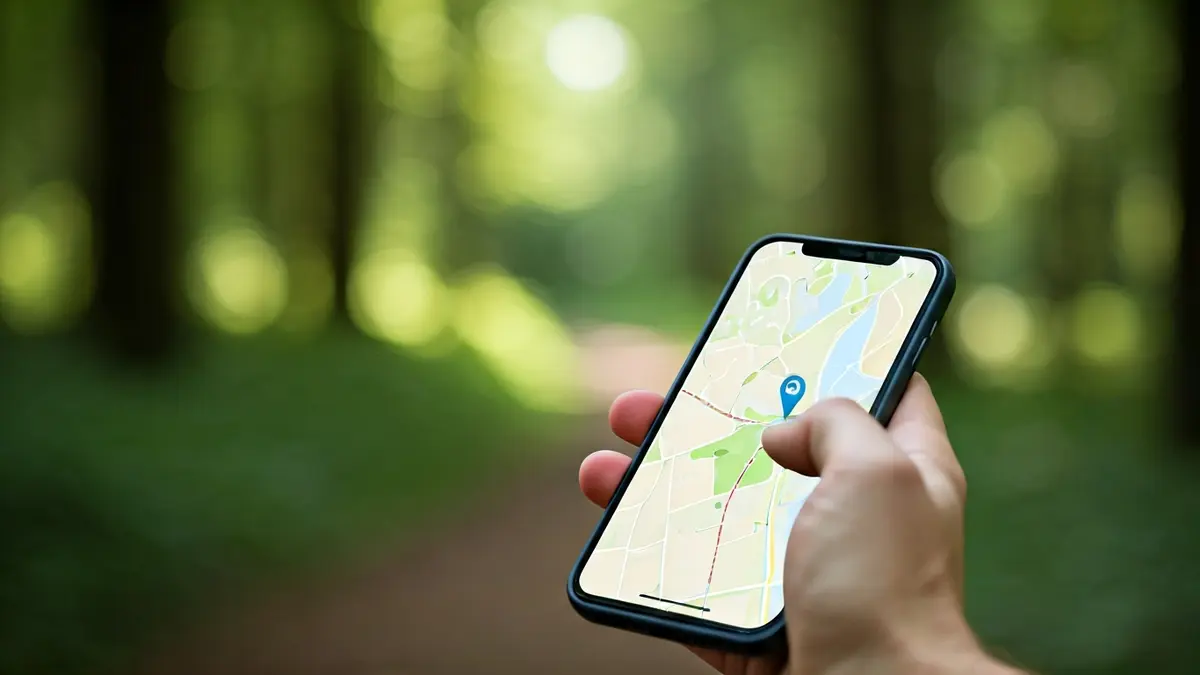
To reach each geocache, simply use the Geocaching APP. Initially, it was used via GPS coordinates, but the widespread use of smartphones has enabled Geocaching's expansion. According to recommendations, once you are within 15 meters of the location, it's advisable to put away the app and start using your sight. This might explain some strange behaviors observed in residents of Vitoria in various parts of the city.
Once you find the treasure, remember: it's not for you to keep, to avoid looting. It's a game, and your sole objective is to confirm your find (in the cache and the app) and return it exactly as it was. Players must be careful that no 'muggle' discovers it. Otherwise, they would be responsible for revealing the treasure's location.