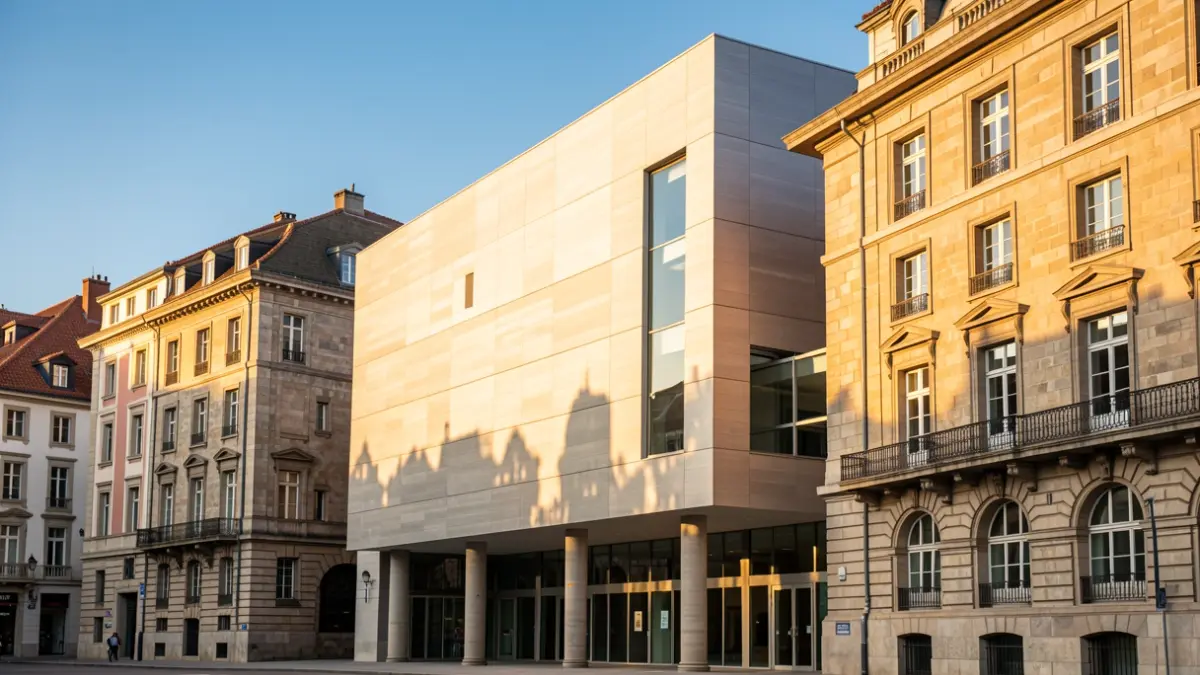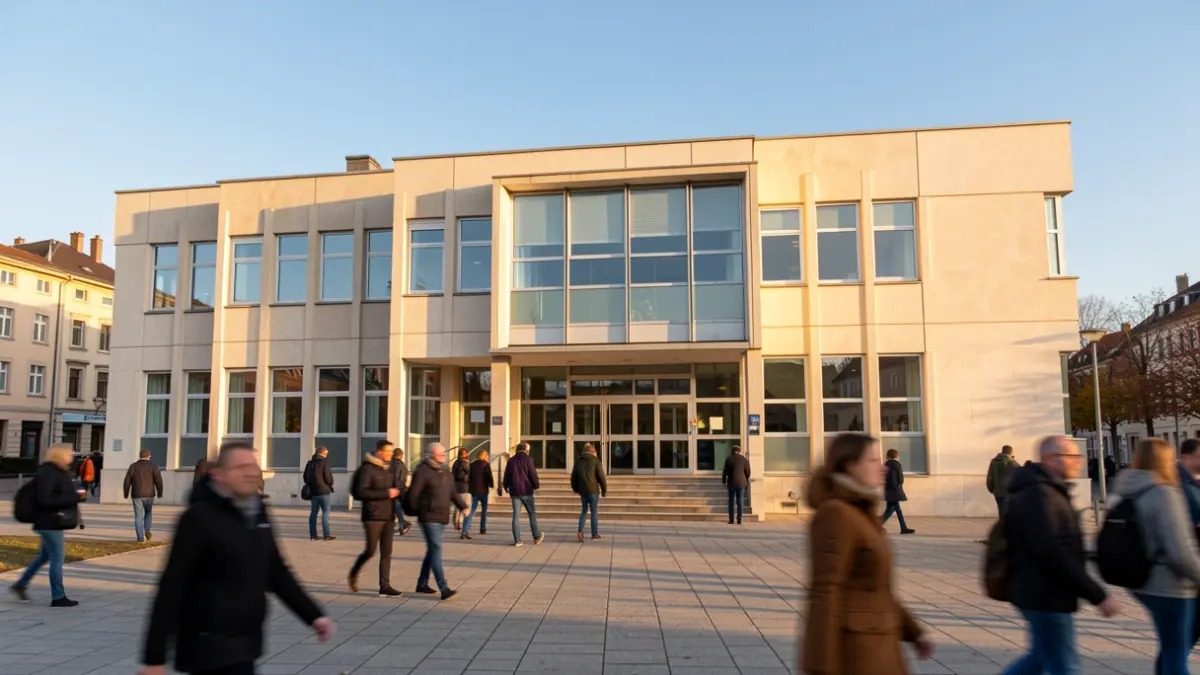
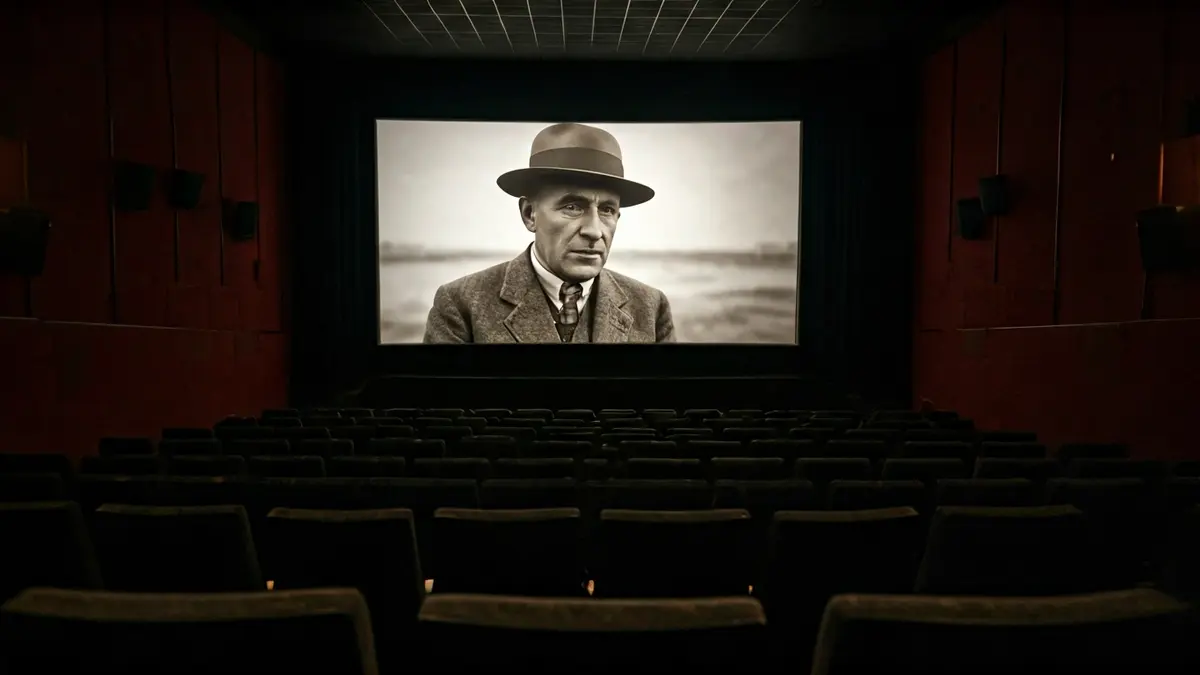
The Artium museum in Vitoria-Gasteiz is set to become a hub for Basque cinema from April to June, thanks to the Euskal Zinema cycle, organized by the Basque Film Library. This initiative aims to recover our origins and collective memory through film, examining past stories, their narratives, and the individuals who told them.
The cycle will place a special emphasis on female filmmakers, whose contributions have been significant in Basque cinema in recent years. The program is diverse, featuring well-known films, more recent productions, documentaries, comedies, and old pieces that were almost lost. All screenings will take place at the Artium museum, always at 7:00 PM.
The cycle begins on April 15 with a double feature: Yoyes by Helena Taberna, and Hirugarren koadernoa by Lur Olaizola, both telling the same story from different perspectives. On April 22, Urak aske, a documentary by Bego Zubia Gallastegi about nature's recovery, will be screened. April 29 will be dedicated to comedy, featuring Pagafantas and the short film Un novio de mierda, both by Borja Cobeaga.
In May, the cycle will focus on revisiting the past. On May 6, Fuego eterno by José Ángel Rebolledo, a story about witch hunts in the Basque Country, will be shown. On May 13, Josu Martinez's Gure Sor Lekuaren bila, which narrates the search for a lost old documentary, will be screened. May 20 will feature a special session on the Civil War, projecting historical short films like Guernika and Elai-Alai. On May 27, women in Basque cinema will be highlighted with Irrintzi by Mirentxu Loyarte and Irrintziaren oihartzunak by Iratxe Fresneda.
June will mark the conclusion of the cycle. On June 3, the comedy Agur Etxebeste! will be screened, including a tribute to actress Elena Irureta. On June 10, Itzalak argitzen, a documentary about the restoration of old Basque films, will premiere. Finally, on June 17, the cycle will close with the 1921 classic La capitana Alegría (Pour Don Carlos), considered one of the first films shot in Euskadi.