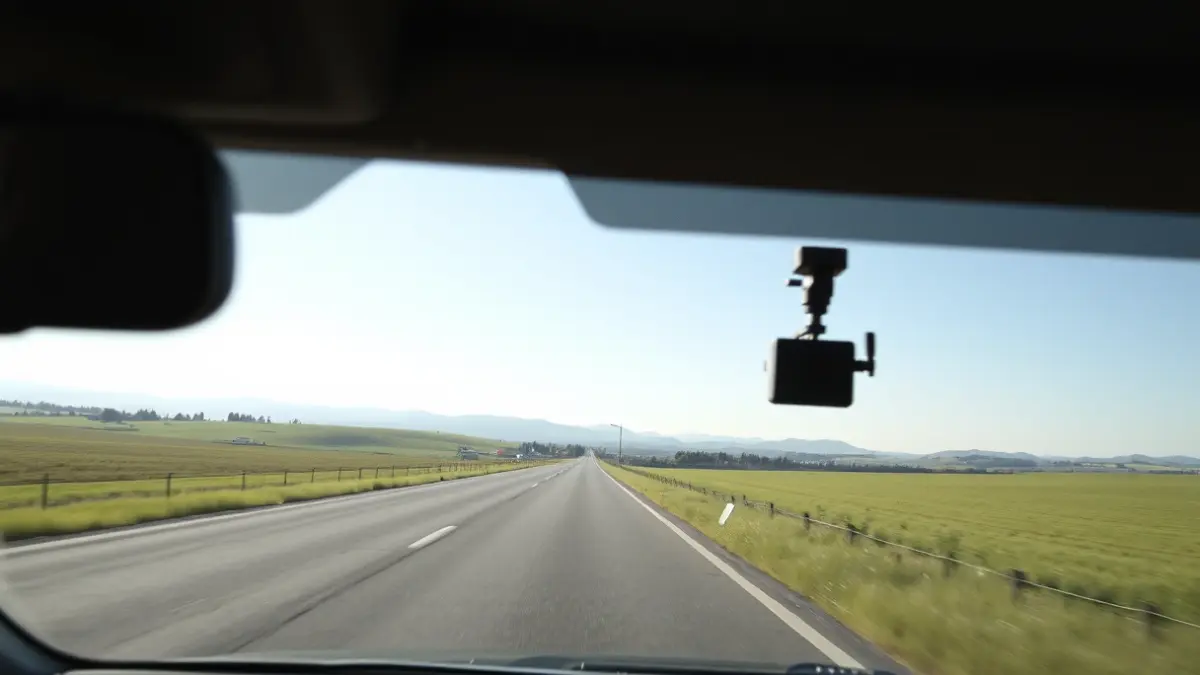
The road network in Álava has reached a total of 20 fixed speed cameras, with two new locations having installed their cabins in 2026. One of these new cameras is situated on the N-104, at the entrance to Vitoria-Gasteiz via Arkaute. This device is positioned to monitor the speed of vehicles traveling towards the Alavese capital.
This section of the road is mostly straight, allowing for easy entry and exit from the city. Being a two-way road, its speed limit is 90 km/h, although it reduces to 70 km/h in some areas. When passing through villages, the limit is 50 km/h, but it is common to see vehicles exceeding 100 km/h.
The second newly installed camera is located in Armiñón, specifically at kilometer point 82.300 on the AP-1 motorway, in the direction of Irun. This area is a critical traffic point, often experiencing congestion during peak periods such as Easter or summer holidays.
Both camera cabins have been in place since the beginning of the year, but it was in April when they received official approval. This followed the publication in the Official Gazette of the Basque Country (BOPV) of the Traffic director's resolution, authorizing the installation and use of these speed cameras.
“"In recent years, and at certain points of the road network, an increase in accidents has been observed. In 90% of traffic accidents occurring on Basque roads, excessive speed is a recurring factor."
According to the Basque Government, the use of speed-measuring devices has proven effective in ensuring that vehicle speeds comply with established limits. Therefore, to enhance road safety and improve traffic flow, it was deemed appropriate to install these image-capturing devices in the two new sections.