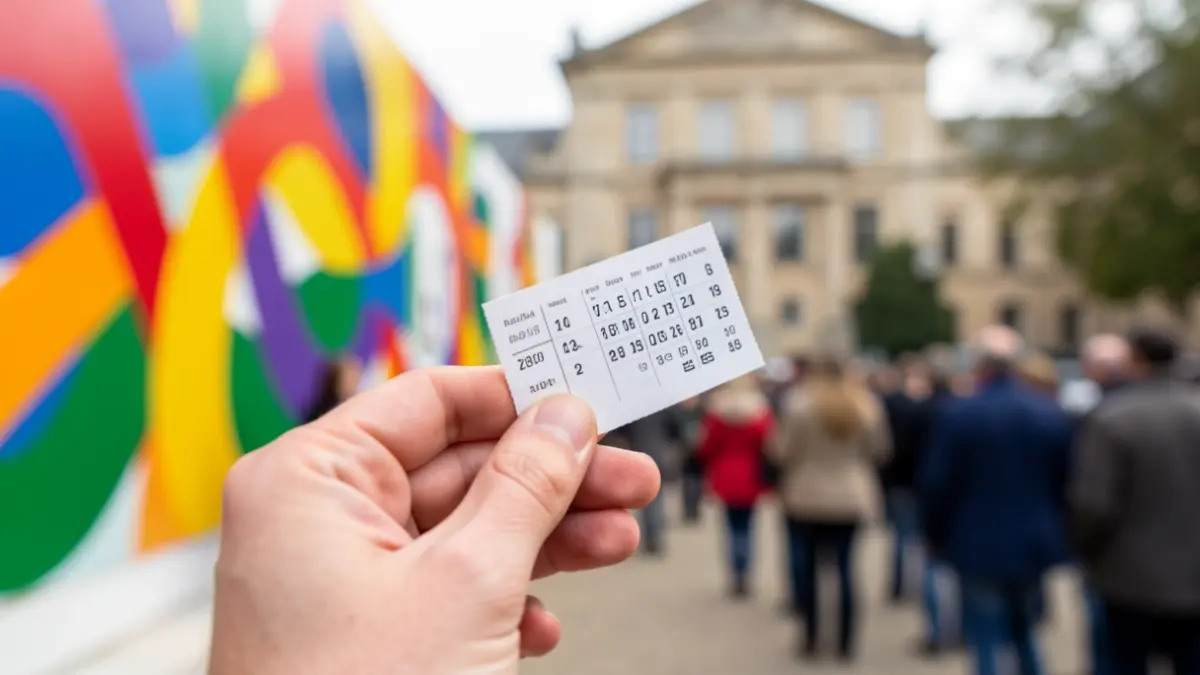
This year, a total of 25,727 people secured one or more places, an increase of 3,351 compared to last year. 86.14% of participants obtained a place, nearly 11 points higher than the previous year's 75.36%. Furthermore, 63.23% of applicants received a single place, with only 2.79% receiving more than three, confirming a more balanced distribution.
The number of remaining free places has decreased to 5,816 (17.66% of those offered), down from 10,231 last year (30.16%). This means significantly fewer people had to resort to the free places phase, drastically reducing queues and waiting times.
One of the most visible changes is that only 555 courses reached the free places phase, compared to 91 last year. The most in-demand activities were able to distribute their places across the three automatic lottery rounds, preventing demand concentration. Queues on the opening day were "minimal and very punctual".
Participation has broken records, with 126,824 applications from 29,866 individuals. A total of 38,502 places were offered across 2,445 groups for 583 different activities, with 32,923 places allocated via lottery.
Miren Fernández de Landa, councilor for Open Government and Civic Centers, considers the assessment positive but noted that improvements will be studied. "We have met both objectives: a more equitable distribution and far fewer free places and queues. But this was the first year, and we want to continue learning from the experience to improve the system," she stated.