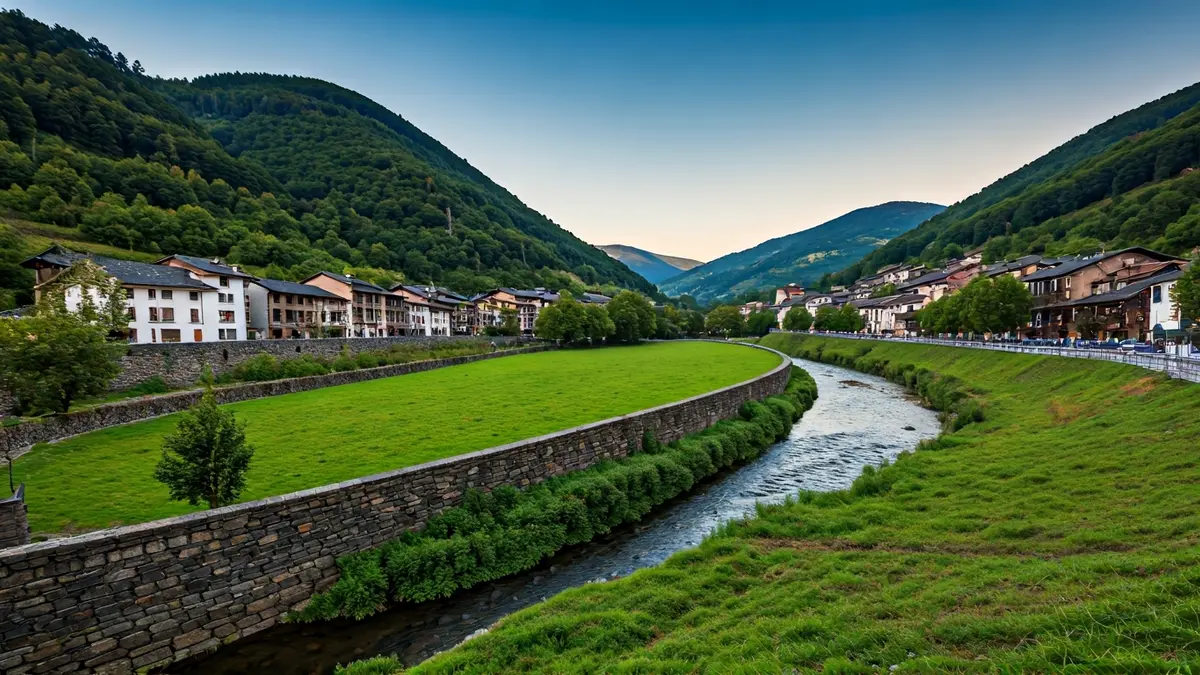
The documentary delves into the history of the Oria River, presenting it as a focal point of interaction between nature and human communities since ancient times. Through a narrative journey guided by rower Nagore Urdapilleta, the work traces the river's course from its mouth to Mapil, in Aginaga, revealing various historical and cultural milestones linked to its banks.
Among the topics covered are the caves of Altxerri, the tradition of whale hunting, life in farmhouses, and the development of shipbuilding, an activity in which the region achieved considerable prestige in Europe. The documentary also reflects on how a river of modest dimensions managed to compete, from the 16th century onwards, with major continental waterways such as the Rhine, the Thames, or the Seine.
As stated in the documentary, this vessel was built in the Mapil shipyard, highlighting the technological capacity developed by the area over centuries.
One of the most relevant episodes featured in the work is the construction of the galleon San José, a ship that sank while transporting one of the largest known treasures. To ensure historical accuracy, Errio features the participation of specialists such as Xabier Alberdi, director of the Basque Maritime Museum, who analyzes the role of the Oria as a commercial hub of European scope, and Xabier Agote, founder of Albaola, who delves into the prestige of the Orio shipyards and the innovative techniques of Basque shipbuilders.
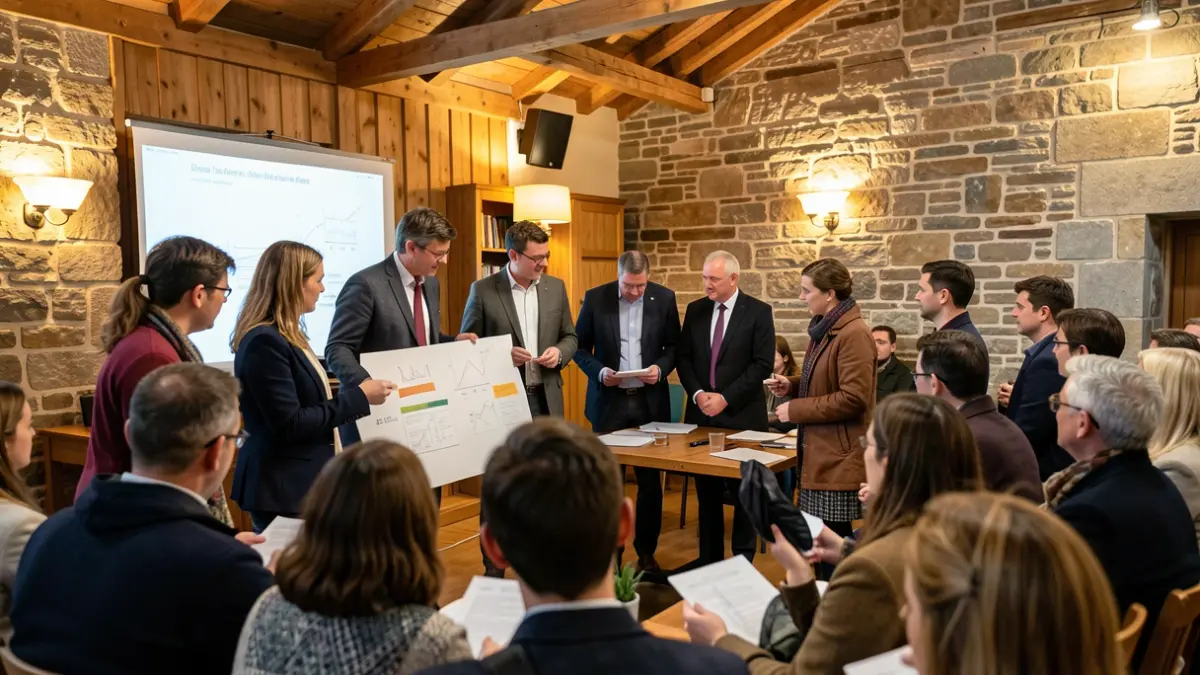
Following the screening, Gaztañazpi, Alberdi, and Agote will participate in an open discussion with the public, addressing issues related to the river and maritime heritage. This initiative aims to offer citizens an opportunity to rediscover the rich history of the Oria, from its earliest prehistoric manifestations to the era of large ships.