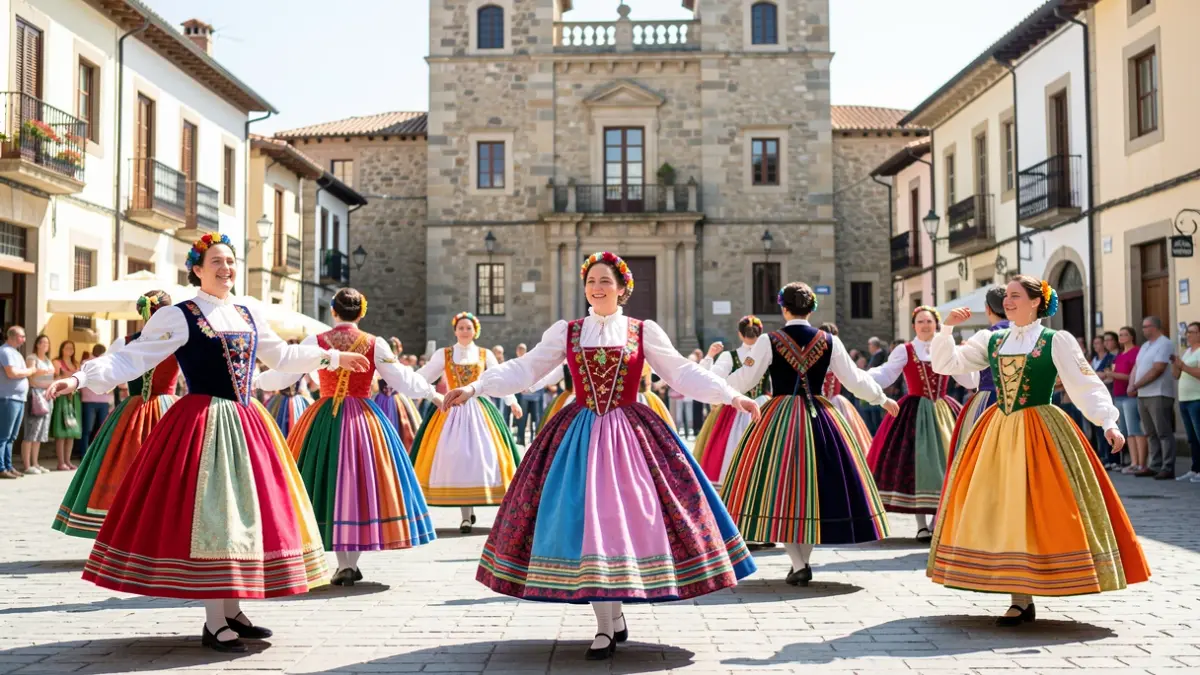
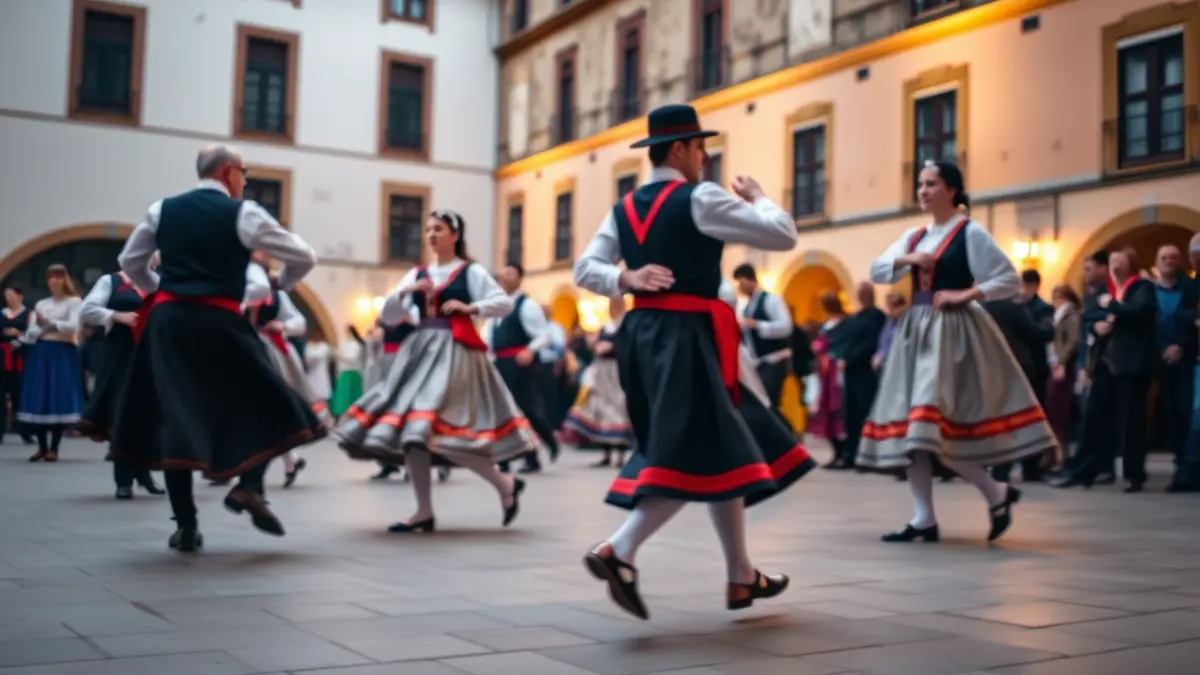
This seminar presented research on the system of dance masters in Gipuzkoa, emphasizing the ancient dance forms of the region and the main features of Iztueta's heritage. The event was organized within the Dantzan Ikasi program, a collaborative initiative by the Gipuzkoa Provincial Council and the Dantzan association, and was held at the initiative of the Sahatsa dance group, which celebrates its 50th anniversary this year.
During the talk, the dance forms and styles that became popular in the Urola valley and its surroundings from the 1950s onwards were detailed. Participants also learned how these styles were integrated into the context of previous heritage. The origin of Basque dances, whether they have always been danced in the same way, and when and why the most significant changes in dance forms occurred were explained, with some cases demonstrated practically.
It was highlighted that the valley's dance tradition has a long history, as mentions of dances and dancers from the two towns date back a long time. For at least the last 500 years, sword dances, soka dantzak, and brokel dantzak have been known. In addition to the dances, special mention was made of the dance masters of Urola Erdia, acknowledging their contribution.