A person with reduced mobility has exposed the serious difficulties encountered when moving around Zarautz due to numerous architectural barriers. This individual, who uses a wheelchair, has compiled a 34-page dossier and presented it to the city council, hoping it will serve as a guide for improving physical accessibility in the municipality.
“"On a daily basis, we encounter many difficulties moving around Zarautz. My situation is what it is, but I would like us to be taken into greater consideration, for the authorities or those who approve projects to put themselves in our shoes, to open their eyes a little more, to realize all the difficulties we face every day at an urban planning level."
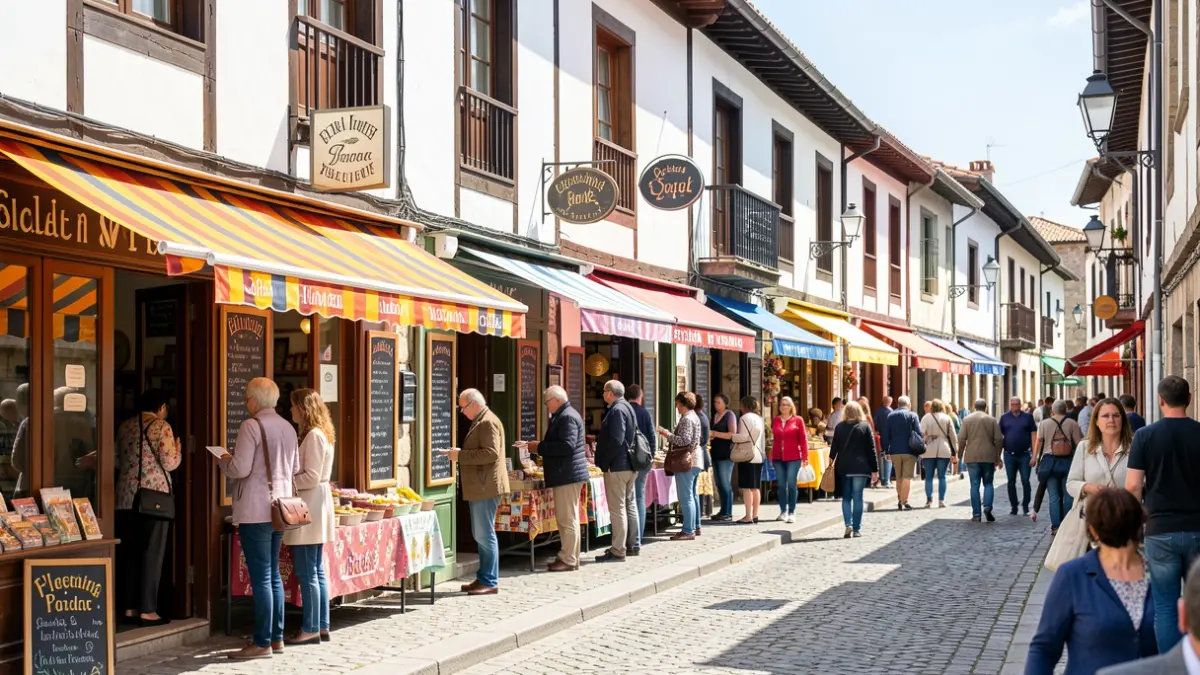
The report addresses various aspects such as accessibility in buildings and establishments, mobility on sidewalks, reserved parking spaces, outdoor facilities, pavements, and urban furniture. According to the study, out of 697 establishments visited in Zarautz, only 42% are wheelchair accessible, 15% are usable with some difficulty, and 43% are not accessible. This means that practically 6 out of 10 establishments do not allow access or present difficulties.
These figures, according to the dossier's author, are very poor considering 40 years of regulations and promotion of accessibility. The city council is urged to promote direct initiatives, especially for establishments that could improve accessibility with minor renovations, and to seek solutions for those that remain inaccessible.
The dossier also focuses on essential public services such as the Post Office, which presents serious accessibility problems, or the Notary's Office, whose headquarters are in a completely inaccessible building. The case of pharmacies is also mentioned, where, despite improvements in some, one at the corner of Urdaneta kalea and Egaña kalea remains inaccessible.
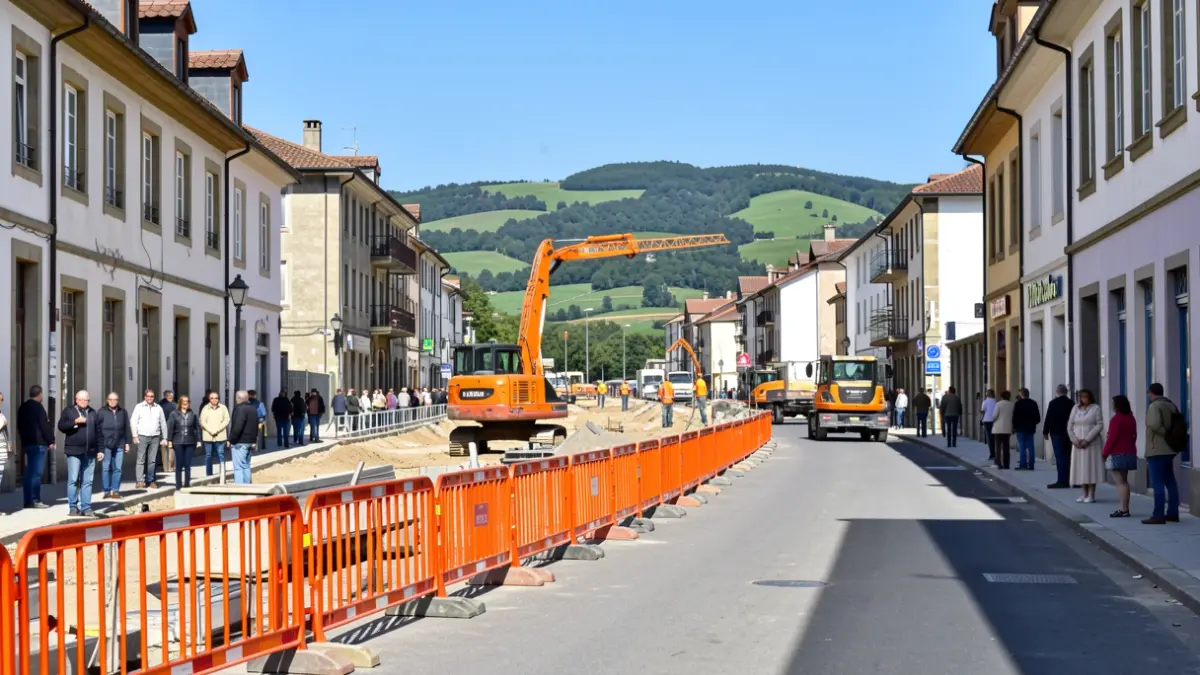
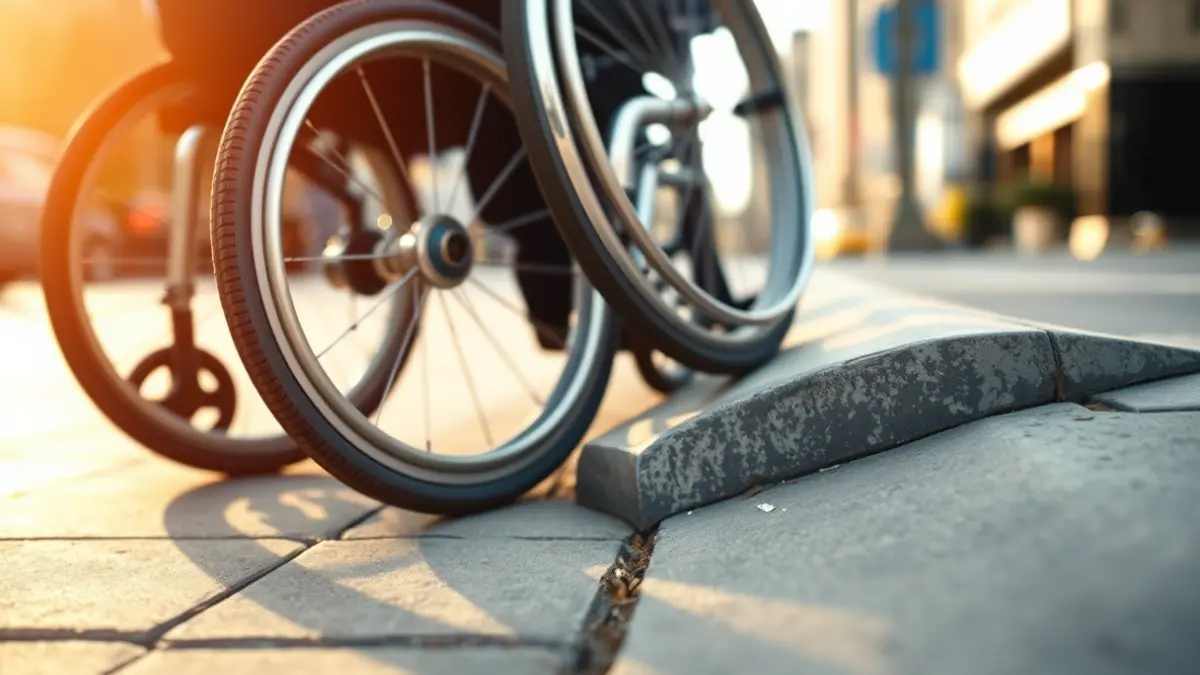
Regarding mobility on sidewalks, the report indicates that many curb cuts in Zarautz are poorly executed, creating significant obstacles for people with reduced mobility. The author hopes that this document will serve as a guide to improve physical accessibility in the municipality, preventing future generations from facing the same problems.