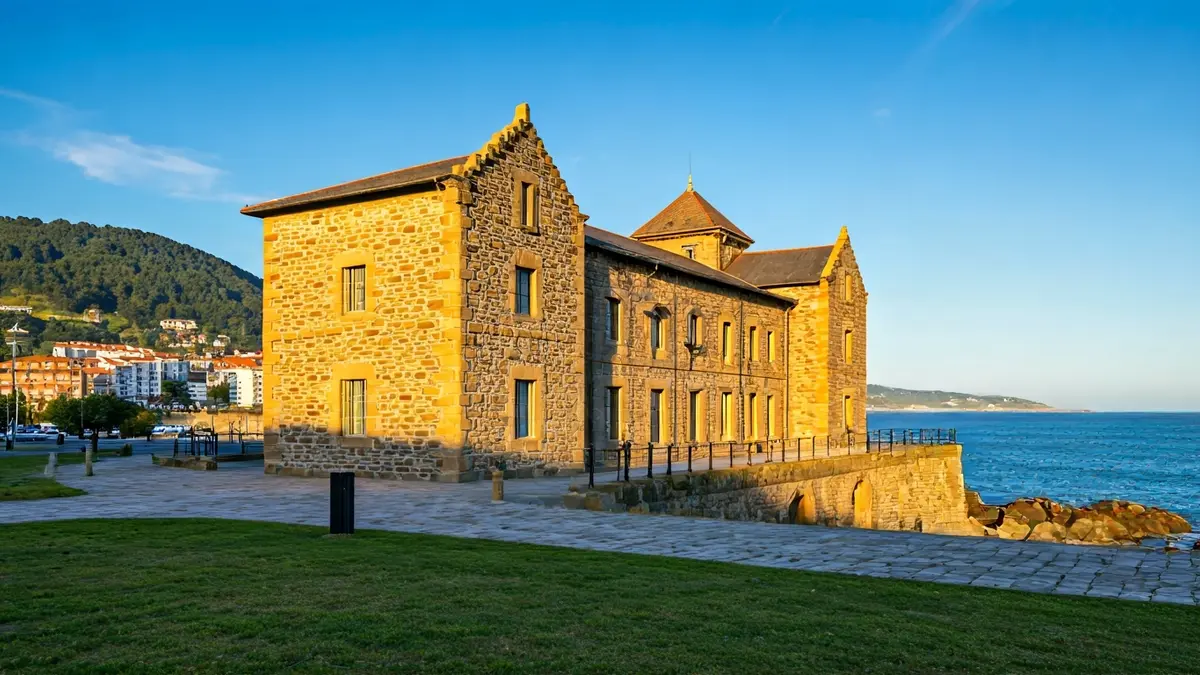
The future of the Plentzia Marine Station appears to be secured, as the Basque Government has opened a new path to renew the concession allowing the occupation of the coastal space where the building is located. The original authorization, granted in 2007 and expired in 2022, stipulated the removal of the facilities if not renewed. However, following the transfer of coastal management powers to the regional executive, it is now the latter that has the final say.
Initially, the General State Administration rejected the extension in January, citing reasons of landscape impact and the need to preserve the natural dynamics of the coastline. But, with the transfer of competencies, the Basque Government has opted to process an alternative authorization, which will be limited in nature and conditioned on compliance with specific control, security, and periodic review measures.
The file has extensive technical, legal, and heritage support that endorses the viability of the installation in its current location.
According to sources from the Department of Food, Rural Development, Agriculture and Fisheries, there is a legal framework that allows adapting the conditions or duration of the concession without necessarily implying the disappearance of existing buildings. This regulates the center's presence in the maritime-terrestrial public domain area, ensuring its activity within regulated parameters. Furthermore, the analysis incorporates an evaluation of the effects of climate change, especially concerning sea-level rise, contemplating continuous monitoring and adaptation measures to guarantee the long-term safety and operability of the facilities.
Reports included in the file also highlight the cultural value of the property, proposed for inclusion in the Basque heritage inventory, as well as the suitability of its location for developing scientific projects related to the marine environment. Built in 1923 as a sanatorium, the building has been part of the urban landscape of Plentzia and Gorliz for over a century. Its adaptation as a university headquarters was carried out respecting the original structure, without increasing its surface area or new occupations of public space.
It is a consolidated public activity, linked to the territory and with a positive impact in the scientific, educational, and socioeconomic fields.
The Plentzia City Council, which promoted the renewal request, defended the relevance of the facility during the processing. Municipal sources also emphasize its role in boosting the blue economy in the region, highlighting its positive scientific, educational, and socioeconomic impact.