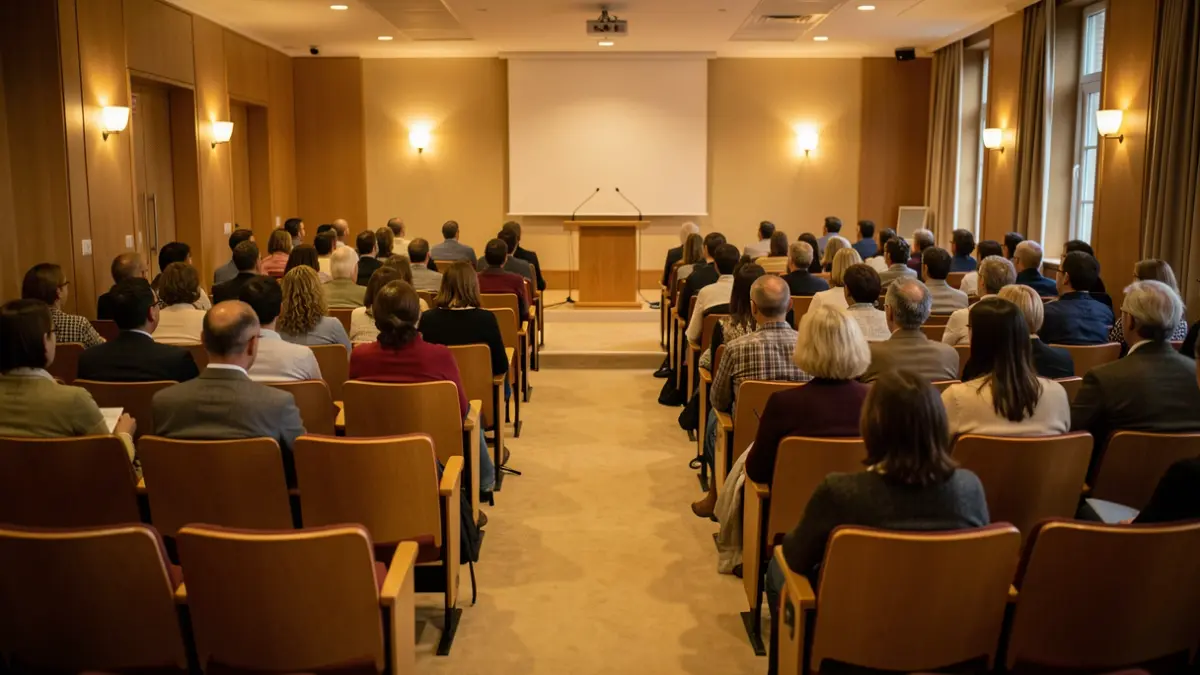
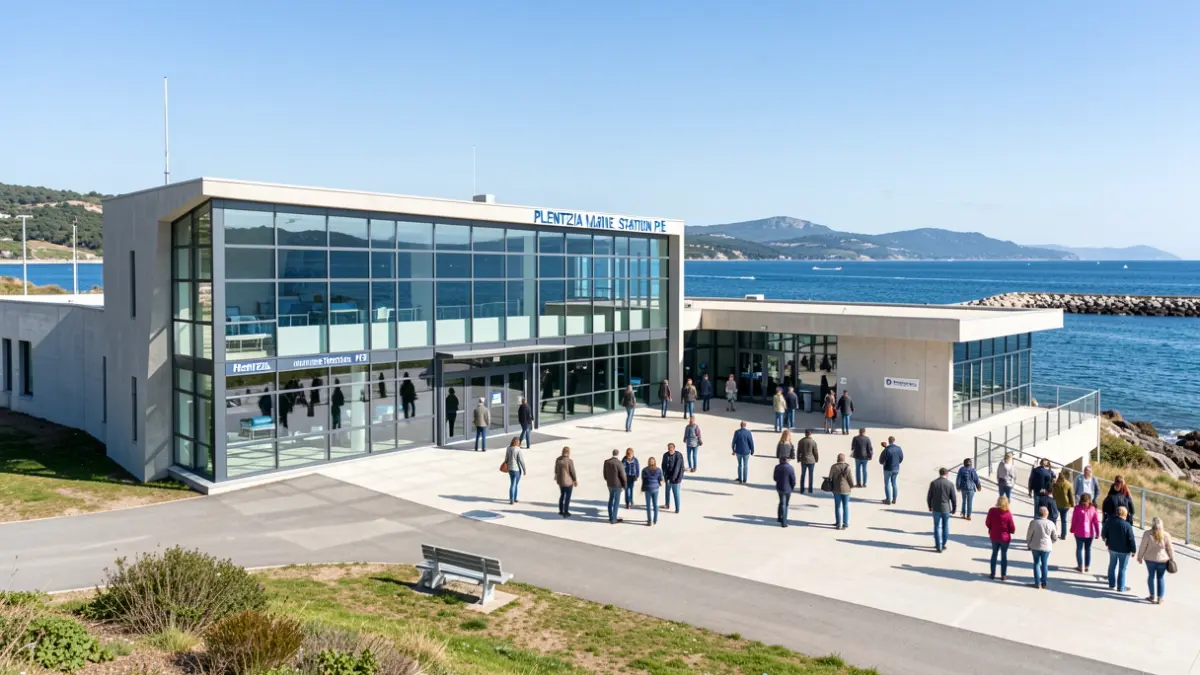
International specialists in glial neuroscience are gathering in Plentzia to deepen the understanding of the cells that regulate brain function. AIGS 2026, now in its third edition, is a joint initiative of the Achucarro Basque Center for Neuroscience and the UPV/EHU, establishing itself as a European leader following the 2018 in-person and 2021 online editions.
This multidisciplinary and immersive symposium features keynote lectures, panel discussions, project mentoring sessions, and methodological workshops, aligning with the strategic mission to lead frontier science and position the Basque Country as an international hub for neurosciences.
The brain is not solely composed of neurons; nearly half its cells are glial. Once considered mere "support" cells, they are now known to be crucial: nourishing neurons, insulating their connections, and acting as the brain's immune system.
Alterations in neuron-glia interactions are central to numerous pathologies, including neurodevelopmental disorders, neurodegenerative diseases like Alzheimer's and Parkinson's, and psychiatric disorders. Advances in transcriptomics and microscopy have revealed unexpected functional heterogeneity, opening new therapeutic avenues.
The Achucarro center specializes in neuron-glia interaction and is a global leader in glial research, employing a longitudinal approach from development to aging across conditions such as autism, stroke, epilepsy, and neurodegenerative diseases.
This year's edition particularly focuses on glial metabolism, a highly active frontier in neuroscience, with direct implications for neurodegenerative diseases, cognitive function, and the identification of novel therapeutic targets.