The Frank Gehry bridge welcomes visitors to Zorrotzaurre island, opening the way to a landscape where unfinished areas and the first signs of daily life coexist. This structure has become a symbolic gateway, and a golden sculpture of a girl looking up at the sky foreshadows the hopes generated by a place still in the making. Between the starkness of the construction sites and the life gradually taking shape, Zorrotzaurre is moving towards its definitive transformation.
A new gym, the Kunsthal School of Design, Fashion, and Art, and the opening of emerging businesses are generating anticipation on an island where the desire for a home has begun to attract new residents. The urban development project, linked to architect Zaha Hadid, outlines a new neighborhood where residential promotions are making way alongside facilities that are patiently taking shape.
One new resident, excited by the urban regeneration plan, did not hesitate to purchase a home on the island. Since September, they have been living in their new residence, leaving behind their old home on Luis Power street in the Deusto neighborhood, to start a new life in what some call the Basque Manhattan, with the promise of everything being brand new.
“"We had been looking for a home for a while. My partner's family was in Deusto, and we wanted to be close. We saw this development and didn't hesitate."
The decision also had an economic component: they bought their home off-plan for 280,000 euros, an property that today, they claim, is close to 400,000 euros. This resident acknowledges that for now, it's about adapting and being patient with the surroundings. The construction doesn't bother them because they knew what they were getting into, and everything is turning out very well. However, they note a lack of grocery stores, sports centers… The biggest inconvenience is having to go to Deusto for groceries. Nevertheless, hope outweighs any discomfort.
“"I like living on the island. There's a bus to Lehendakari Aguirre, and from there, you can connect to the metro, and honestly, there's a sense of calm when walking around the area."
Insecurity is not a concern for them. There's plenty of life, and neighbors know each other. Both partners are very excited and understand that patience is key. A few meters away, another resident waits, once again, for the A4 bus. Also with family in Deusto, they did not hesitate to settle in Zorrotzaurre. It gave them a bit of vertigo at first, but they are very happy, explains the young person, who acquired an apartment for 300,000 euros. It's a small house, but they love it.
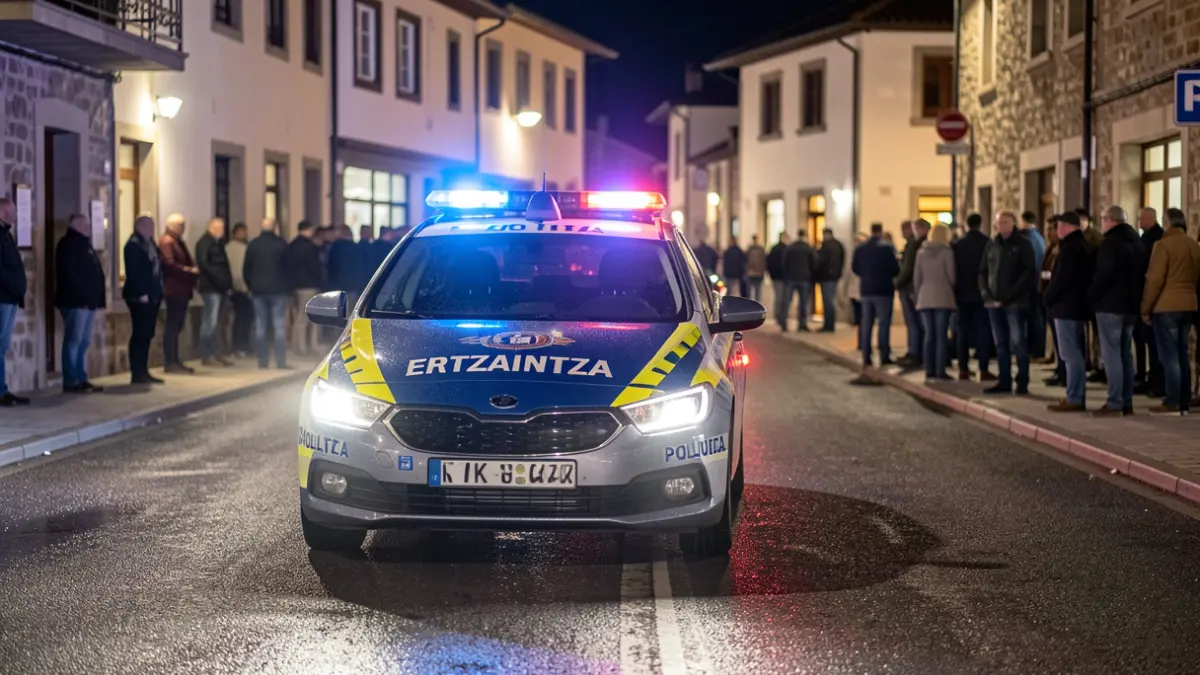
Not all corners reflect the same harmony. Another resident, living in a subsidized housing unit (VPO) in the outer area, expresses disappointment with the project. There are no nearby supermarkets, little police presence, and some streets are not cleaned. There are areas where they don't feel safe going out alone at certain times. Their testimony highlights that urban and logistical development are progressing at different paces.
There are also those who have been waiting for this change for years. Another resident moved eleven years ago, anticipating the transformation. They bought an older, but spacious and affordable house. They are glad there's more life, but they wonder to what extent the new neighbors will integrate into the neighborhood. Alongside the uncertainty about the area's development, the neighborhood's identity remains a key topic among those surveyed. A resident newly settled in a new-build home advocates for continuing to call the place La Ribera. Zorrotzaurre is and will continue to be La Ribera. It is a historic place with a rich social and cultural fabric, featuring spaces like Bizinahi, El Mercado, Pabellón 6, or La Terminal. For them, it has an artistic vibe reminiscent of Berlin, and new residents can integrate perfectly. Together with the City Council, both old and new residents must do their best to create a project that is not alien to the neighborhood, but rather born from it.
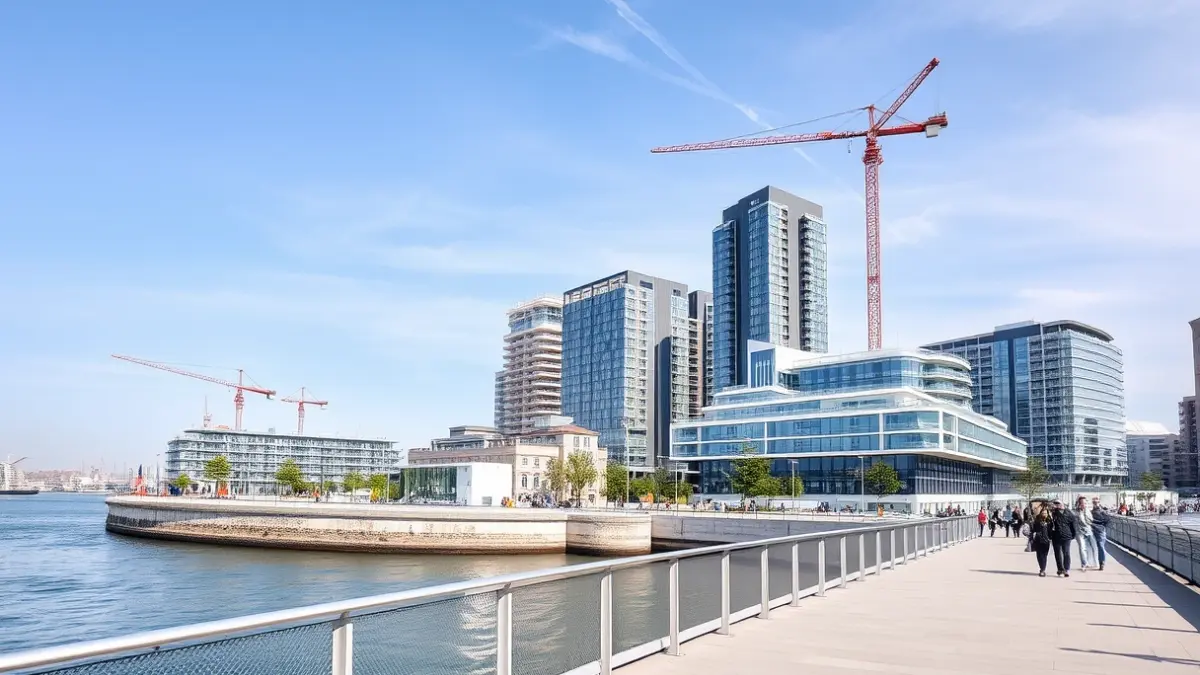
As construction progresses, Zorrotzaurre continues to define itself between hopes and realities. Cranes mark the horizon, and empty spaces coexist with newly opened promenades, still awaiting pedestrians. The island is not yet the projected neighborhood, but it has ceased to be a forgotten territory and is immersed in an adolescent rediscovery. Zorrotzaurre is slowly beginning to find its new place on the map of Bilbao.