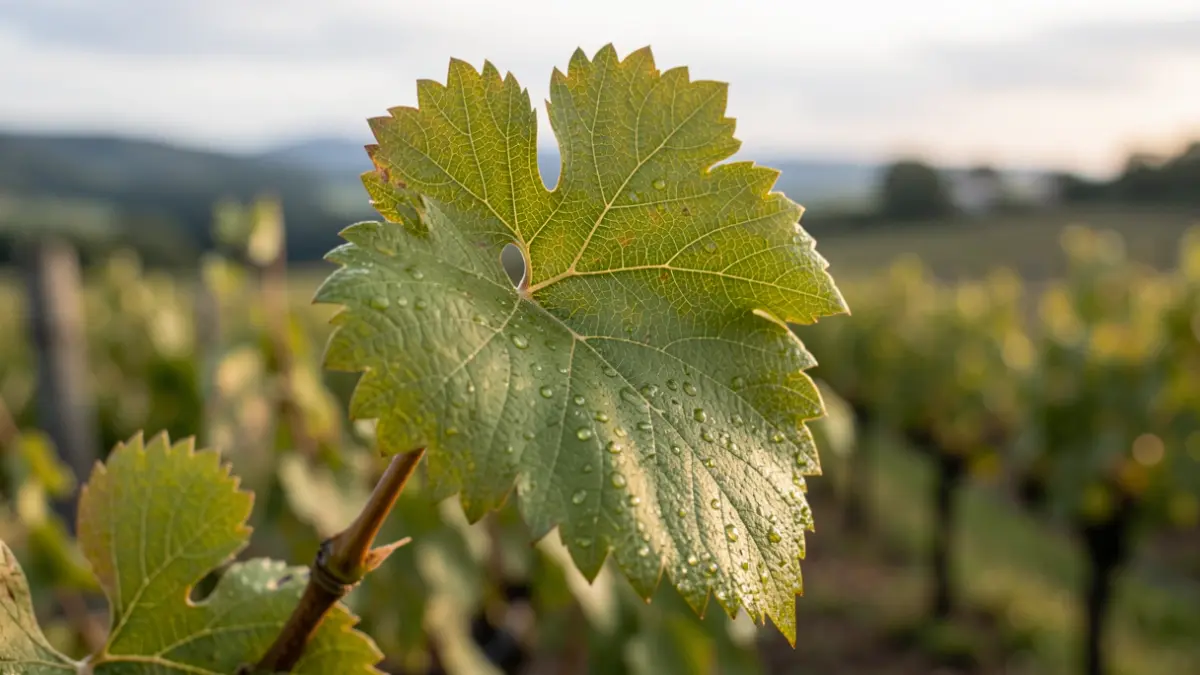
The cross-border TRANSFERES project, coordinated by NEIKER, will assess new grape varieties to improve their adaptation to climate change and diseases, fostering more sustainable viticulture.
The initiative will analyze varieties resistant to diseases like mildew and oidium, and tolerant to drought, in wine regions of Spain and France, aiming to advance towards more sustainable and resilient production models and reduce the use of phytosanitary products.
Ana Diez, a researcher at NEIKER's Plant Production and Protection Department and project coordinator, emphasizes the importance of "knowing how these varieties behave under the different climatic and soil conditions of the cross-border wine regions to assess their incorporation into production systems and facilitate their adoption by the sector".
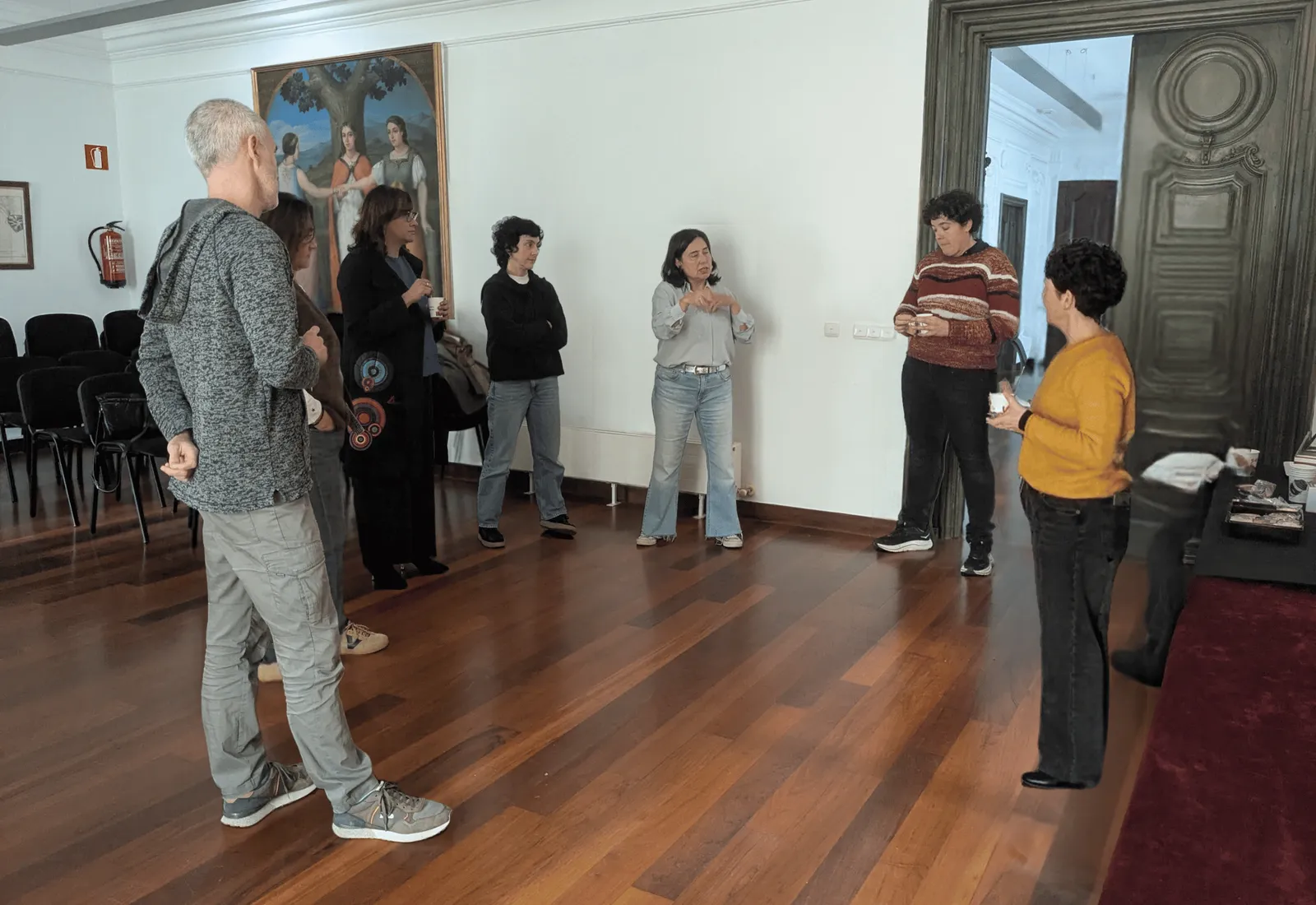
The project will promote knowledge exchange, leveraging France's greater experience in using resistant varieties, and facilitate the transfer of technical and regulatory advancements to the participating Spanish regions.
TRANSFERES is not limited to experimental evaluation but seeks to disseminate the generated knowledge to the entire sector through demonstration days, meetings, and informational activities, also analyzing the social acceptance of these new varieties.
The project brings together seven research entities and sector representatives from Spain and France, including NEIKER, CITA Aragón, ARTOMAÑA TXAKOLINA, S.L., INCAVI, Institut Français de la Vigne et du Vin (IFV), Chambre d’Agriculture de la Haute-Garonne, and Viñas del Vero S.A.U. It has a budget of 1,008,436.39 euros, co-financed by the ERDF, and will run from January 1, 2026, to December 31, 2028.