
The writer from Basauri, Jon Arretxe, has spent years exploring social and narrative margins, building a solid career that found fertile ground in crime fiction to tell uncomfortable stories. After eleven installments of the detective Touré saga, his most recognized character, Arretxe changes his register with Cerdos y amapolas. This story maintains the genre's pulse but allows itself to play with humor, rhythm, and a gallery of characters as relatable as they are unpredictable.
“"I needed a bit of oxygen. The Touré saga was already at eleven very dark, very social, very denunciatory novels, about the underclass, marginal neighborhoods, with illegal immigrants, street prostitutes, homeless people… And I've gone completely to the other extreme. I've written a novel with super indigenous characters, like those from 'eight Basque surnames,' who are just as shameless as those in the previous novels, or more so. Well-off people who commit crimes for vice, mafiosos… and there's no social criticism, nothing. It's pure humor."
This change coincides with the conclusion of the Touré saga. The writer stated that he had not planned this ending in advance, but while writing the eleventh novel, he began to fear he was repeating himself. He emphasized that one of the greatest risks in sagas is repetition, which is why he decided to end the character's journey.
The idea for the new novel did not come immediately. The author knew he wanted to do something different, with humor and surreal touches, but he didn't have the story. It was a writer friend, Carmen Nieto, who suggested that if he lived in the town of txistorras, he should start with a robbery at a txistorra factory. This gave him the starting point, and from there, he improvised as he wrote.
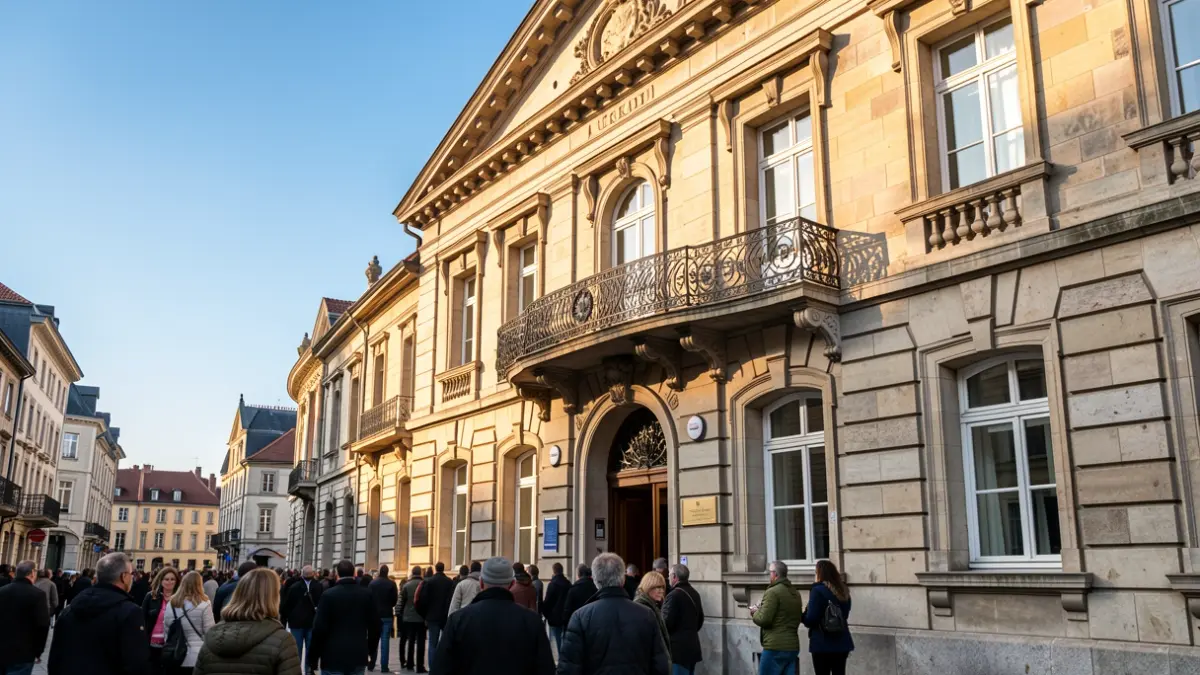
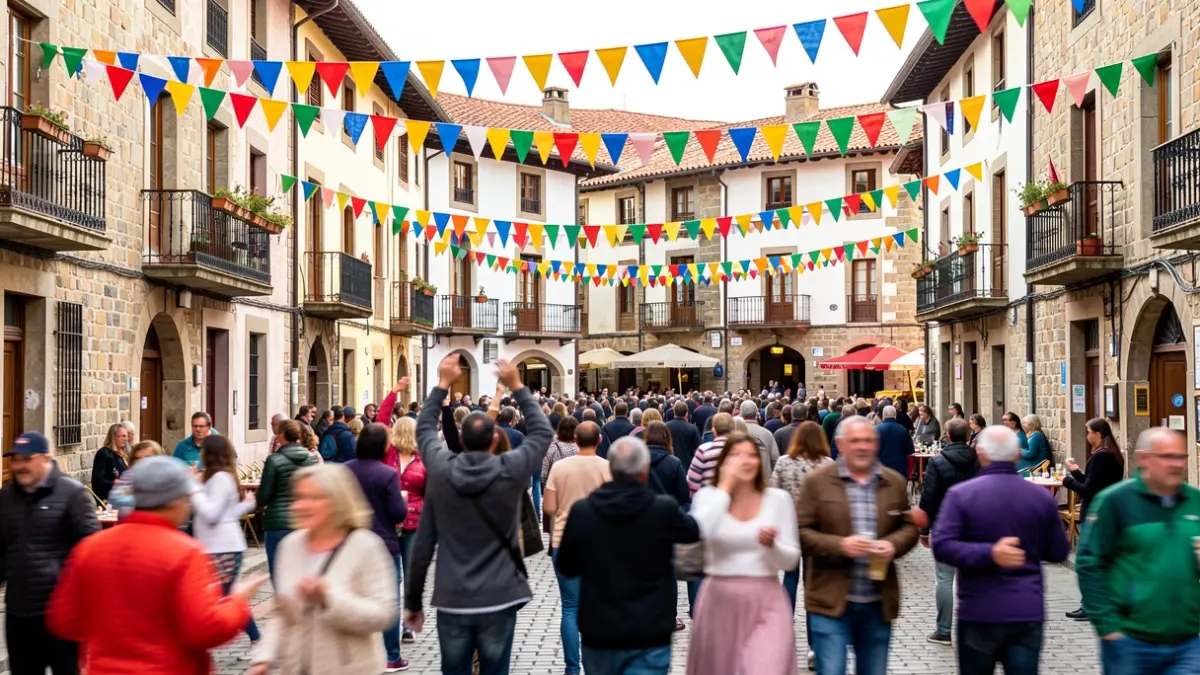
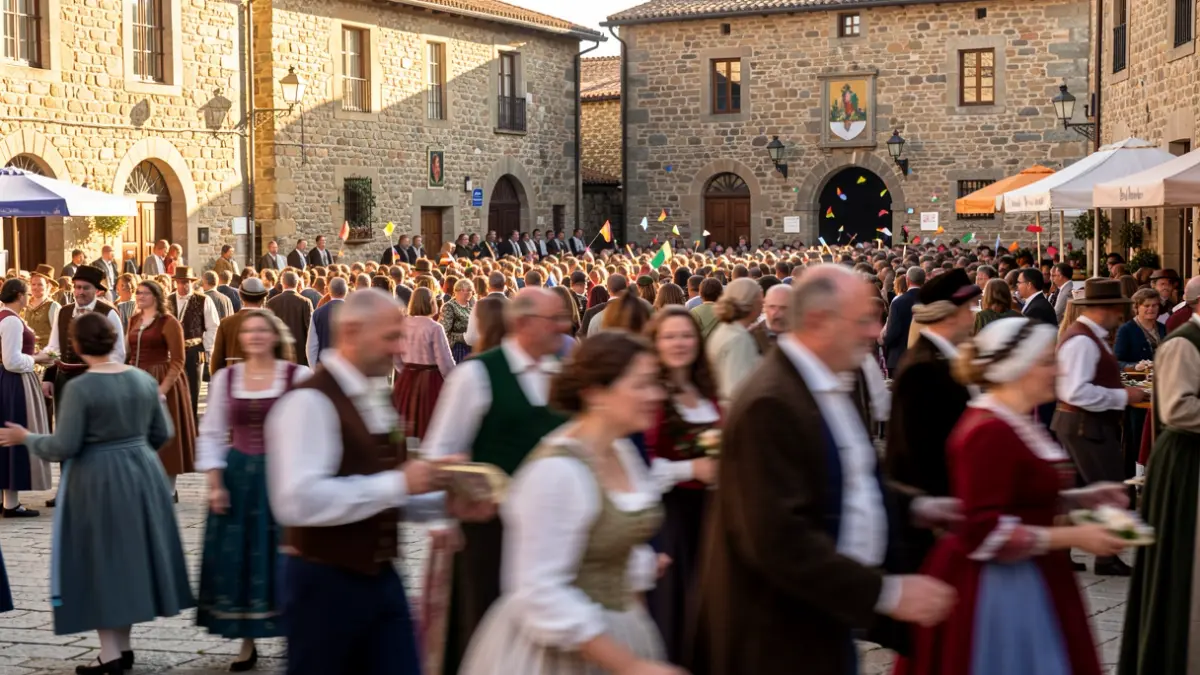
The story unfolds between Arbizu, Gasteiz, and Basauri, three places very present in the writer's life. Arretxe mentioned that he is from Basauri, lived in Gasteiz for 15 years during his university days, and has been in Arbizu for over 20 years. He thought it was a good idea to include these locations in the novel, as groups of characters in each place intertwine throughout the plot, adding greater variety.