The municipality has fostered a model based on social, economic, and environmental balance during the last two legislative periods. To achieve this, it has planned for the future, cared for its people, transformed the city, generated opportunities, and modernized its administration. This approach has combined a long-term vision with concrete actions, and today it translates into strategic projects, investments, and real improvements in citizens' daily lives, consolidating a Getxo that is more livable, dynamic, and prepared for future challenges.
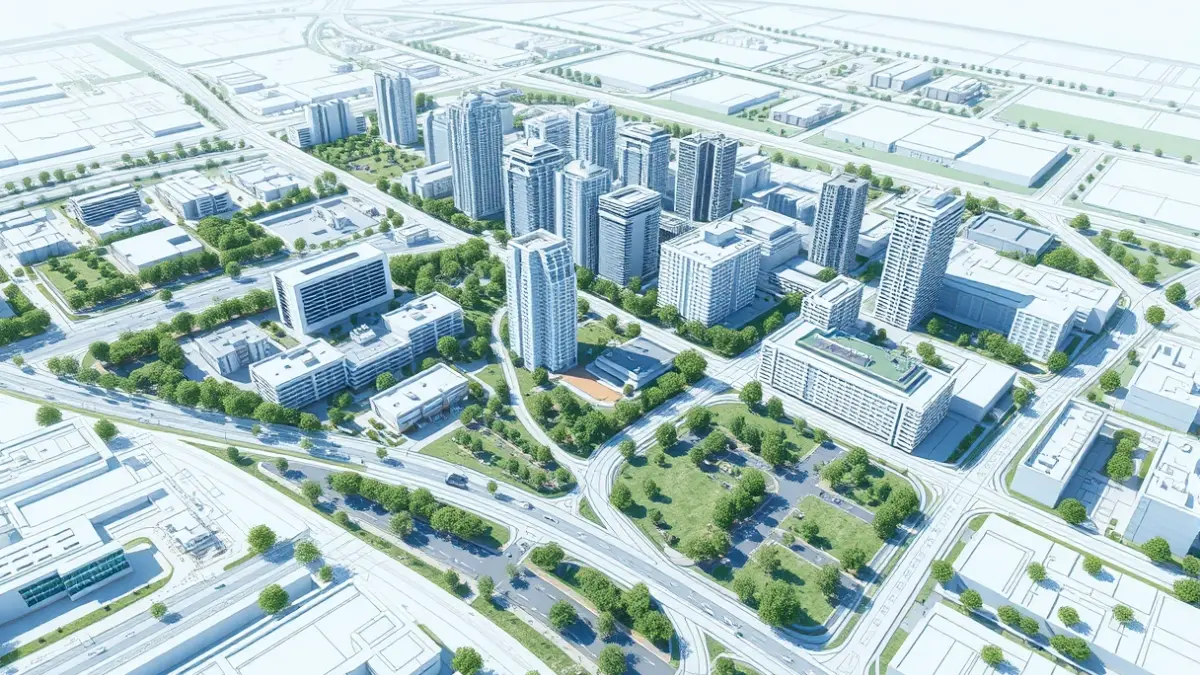
The recently approved General Urban Planning Plan (PGOU) sets the course for Getxo for the coming decades. This strategic project advocates for balanced growth, preserving the natural environment, strengthening social cohesion, and generating new opportunities. It foresees 4,471 new homes, two-thirds of which will be protected, and promotes 14 hectares of economic activity in Martiturri. Additionally, it preserves natural spaces such as Azkorri.
Furthermore, before the end of the legislative term, nearly 500 public protection homes will have been delivered, promoted during these last two legislative periods. This priority commitment is reinforced by the PGOU, consolidating a model that facilitates access to housing, especially for young people and families, and strengthens social cohesion.
The digital transformation of the City Council, through the GetxoBAT platform (with an investment of seven million euros), has brought about a structural change in the way public services are managed. The digitalization of files, improved internal coordination, and simplification of processes now enable a more efficient, transparent, and accessible administration. This progress already has a direct impact on citizens: more than 900 procedures managed since its implementation and nearly 300 online services available, facilitating interaction with the City Council and avoiding unnecessary travel.
At the same time, Getxo projects its future with the transformation of the Marina, a strategic space that begins a new stage based on sustainability, urban integration, and citizen participation. The process of opening up its design to citizens will allow for the shared construction of a more open, sustainable, and integrated port, conceived as a meeting point and shared pride for all Getxo residents.
Getxo is moving towards a more sustainable, accessible, and people-centered city model, transforming public spaces and improving mobility. The renovation of the center of Las Arenas, with an investment of over 2.2 million euros, along with actions such as the Aiboa and Alango elevators, the expansion of bike paths, and pedestrian zones, are shaping a more pleasant, safe, and connected municipality. This urban transformation is accompanied by a firm commitment to the environment. The PGOU guarantees the preservation of up to 80% of Azkorri, while projects such as the Larrañazubi bio-drying plant (with an investment of 1.3 million euros) and the promotion of composting advance towards more efficient and sustainable resource management.
Over the past 7 years, the Getxo City Council has strengthened public services to place people at the center, with a closer, more accessible network adapted to the needs of each stage of life. In the social sphere, the expansion of services in Romo and the implementation of cohabitation units in the municipal residence, a pioneer in Bizkaia, have improved care, advocating for a more innovative and human-centered model.
This commitment also extends to children and youth, with new resources such as the Romo nursery school, the Basoa Playroom (with an investment exceeding 500,000 euros), and the location for the new Algorta Youth Center, which expand opportunities for work-life balance, education, and leisure. This is complemented by enhanced security, with a staff of over 150 agents, increased street presence, and new surveillance systems, allowing Getxo to maintain its position as the municipality with the lowest crime rate among those with over 50,000 inhabitants in Euskadi.
Getxo has opted for a dynamic municipal model that generates opportunities, promotes culture, and fosters healthy lifestyles. In the economic sphere, the development of Martiturri as a space for high value-added activities and the consolidation of initiatives such as Getxo Itsas Hub or Sormen Hub have strengthened the capacity to attract talent and diversify the local economy, moving beyond the dormitory town model. Culture also plays a central role, with Muxikebarri as a reference, the improvement of the Andrés Isasi music school, and the valorization of Punta Begoña as a unique space combining heritage and cultural activity.
In parallel, the transformation of the Fadura Kirol Parke Berria, new infrastructures, and spaces such as TikiToki Zentroa, are redefining the municipality's sports model. This process combines the improvement of facilities (such as the renovation of the football field, frontons, and a new building for the rugby, athletics, and cycling stands) with actions in accessibility, safety, and service quality, eliminating barriers and facilitating more open and inclusive use.