Unlike previous editions, where each talk addressed an independent theme, this year all interventions shared a common thread: the great beginnings in history. The event is designed to offer attendees a comprehensive overview of some of the major beginnings studied by science.
Naukas Bilbao Inicios is part of the scientific dissemination festival Bilbo Zientzia Plaza 2026 (BZP).
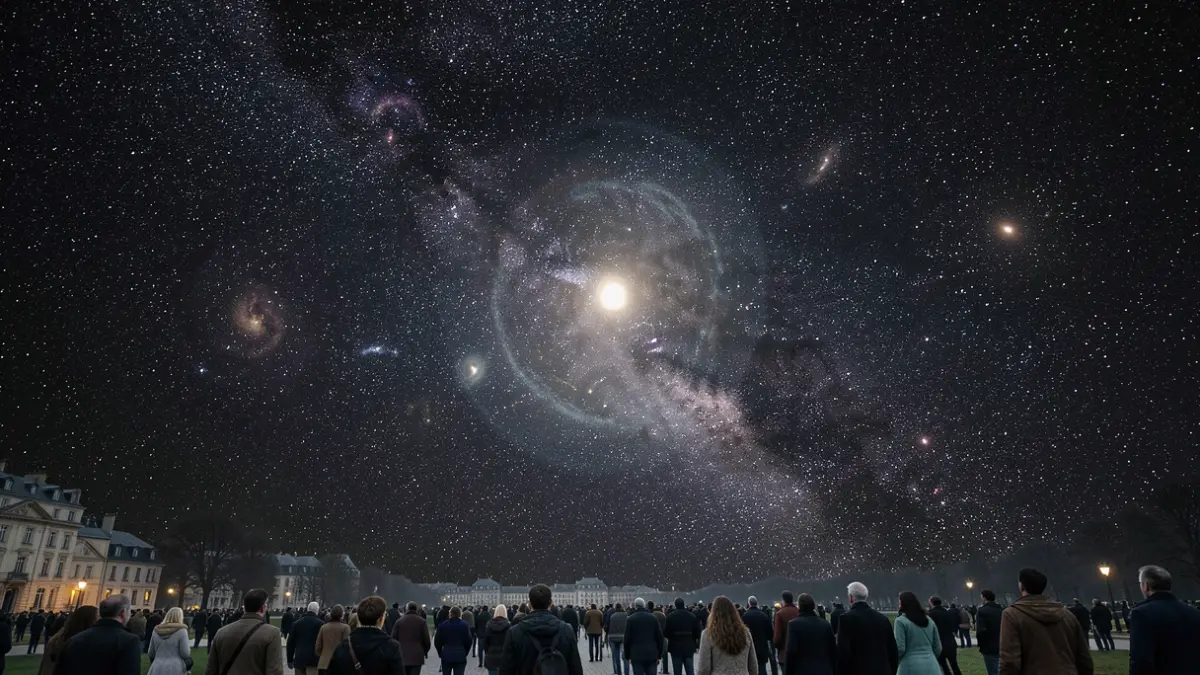
The discovery of exoplanets, planets outside our solar system, confirmed that we are not exceptional. It was a beginning in itself, and its study has brought about a true revolution in our conception of what a planet is. The conference is led by Eva Villaver.
Eva Villaver is the deputy director of the Institute of Astrophysics of the Canary Islands (IAC). She is internationally recognized for her pioneering theoretical work on the survival and evolution of planetary systems when a star exhausts its nuclear fuel. She has discovered dozens of planets around red giant stars, explained the presence of planetary material on the surface of white dwarfs, and made predictions about the location of material expelled by stellar winds, which have subsequently been corroborated by observational studies.