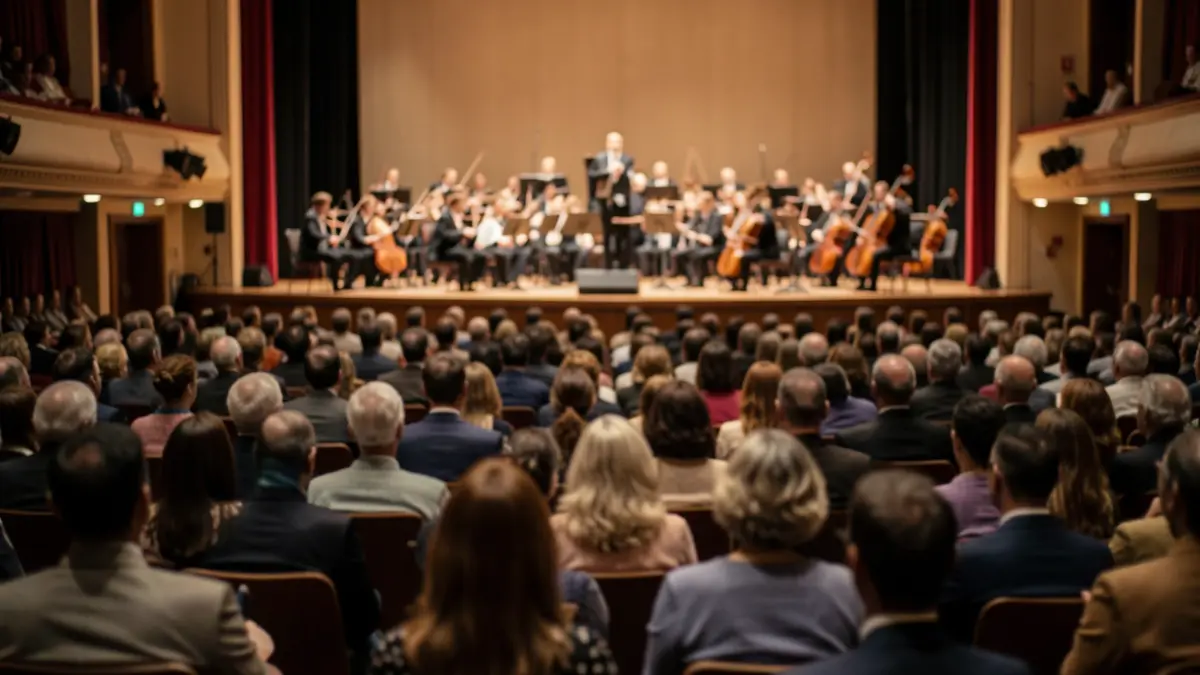
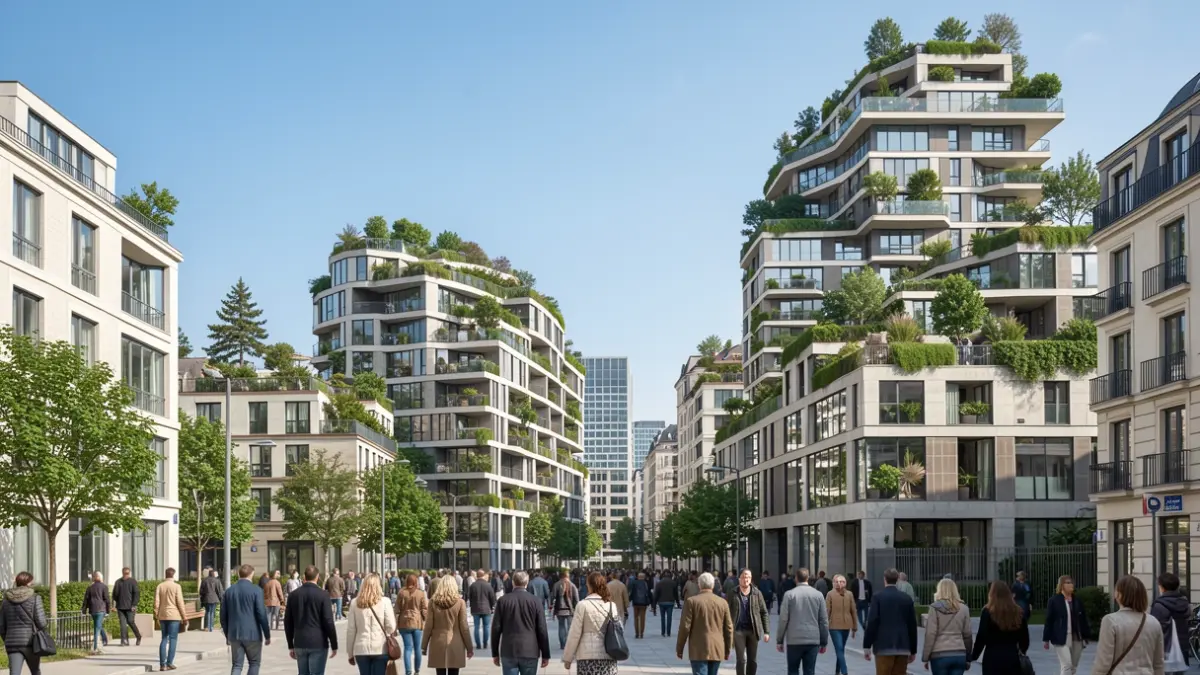
The XXIV EuskalHiria congress has concluded in Bilbao with a shared idea among the nearly 200 experts, professionals, and institutional representatives who participated: cities need to learn to grow from within, better utilizing existing neighborhoods and buildings to respond to housing needs, without compromising environmental, social, and economic sustainability.
Organized by the Department of Housing and Urban Agenda of the Basque Government, with the support of the United Nations Human Settlements Programme (UN-Habitat), Euskal Hiria 2026 brought together specialists from countries such as the United States, Canada, the United Kingdom, France, Italy, and the Netherlands, discussing projects on rehabilitation, urban regeneration, and infrastructure reuse.
Under the theme ‘Re-crecer. La ciudad entre los retos de la vivienda y la sostenibilidad’, the event focused on rehabilitation, urban regeneration, reuse of infrastructure, and adaptation of consolidated environments as fundamental tools to face current urban challenges.
The institutional opening, held on Monday, was attended by the Mayor of Bilbao, Juan Mari Aburto; the Minister of Housing and Urban Agenda, Denis Itxaso; and the Head of Planning and Finance at UN-Habitat, Shubhagato Dasgupta. Denis Itxaso advocated for combining the construction of new protected housing with a strong commitment to the rehabilitation and transformation of existing buildings.
Throughout the two days, speakers such as Duncan Lewis, co-founder of Scape Architecture, presented projects demonstrating how disused infrastructure and urban spaces can become opportunities, including the transformation of Bilbao's former Telefónica building.
Residential conversion experiences were also shared, such as in London's Croydon neighborhood and the regeneration of industrial areas in Turin. In the Basque Country, initiatives like the transformation of an old convent and school into housing in Azpeitia were presented, along with the Basque Government's project to convert disused commercial premises into homes. Bilbao's municipal planning foresees 15,000 homes, 2,500 of them protected in Zorrotzaurre.
Montreal's experience offered a perspective on affordable housing through its non-profit housing model (hors marché), and the transformation of the Canadian city's former racecourse was presented, which will allow for the development of around 20,000 new homes.
Ramon Gras, from Aretian Urban Analytics and Design and an urban innovation researcher at Harvard University, presented the possibilities offered by data and urban analysis tools for improving decision-making in regeneration and densification.
The second day delved into specific urban regeneration and neighborhood rehabilitation projects, highlighting Opengela, a program by the Basque Government that has facilitated the rehabilitation of over 2,000 homes in vulnerable areas of the Basque Country over seven years.
Nikki Kamps, director of Rotterdam Rooftop Days, presented the potential of building rooftops in Rotterdam for green spaces, solar installations, and even new housing, estimating the construction of 15,000 homes by utilizing just 10% of the roof surface.
The relationship between urban regeneration, housing, and climate adaptation was addressed by Federica Rotondo (Sciences Po Paris) and Estibaliz Sanz (Basque Centre for Climate Change - BC3), who emphasized the need to connect climate and social policies.
Projects from the Metropolitan Area of Barcelona were presented, such as the transformation of an old farmhouse into housing for the elderly in Sant Vicenç dels Horts. Beatriz Sendín, co-founder of the n’UNDO studio, advocated for an urban planning philosophy based on reducing and reclaiming spaces for citizens.
Affordability, participation, and the right to remain in the neighborhood were other key themes. Anne-Jo Visser, from the Federation of Housing Associations of Amsterdam, explained their collaborative model to promote social inclusion.
Sonja Trauss, co-founder of the YIMBY movement in San Francisco, explained how citizen mobilization can help defend new housing construction and combat residential scarcity, contrasting NIMBY and YIMBY positions.
The regeneration experience of the Santa Adela neighborhood in Granada, presented by Juan Manuel Suárez Fernández, showed the importance of direct work with residents. Mikel Inchaurbe, Director General of Urban Planning for the City Council of Vitoria-Gasteiz, shared rehabilitation and planning actions in neighborhoods like Lakua and Salburua.
The congress concluded by emphasizing that urban regeneration must not only involve physical transformation but also reinforce social cohesion, maintain neighborhood diversity, and ensure improvements reach current residents.
In the closing session, Ana Beatriz Jordao (UN-Habitat Spain) presented the main conclusions, and the Deputy Minister of Housing, Juan Carlos Abascal, highlighted the opportunity this new understanding of urban development represents for advancing towards more sustainable and humane cities.