During a presentation in Bilbao, the Minister of Tourism, Commerce, and Consumption, Javier Hurtado, announced that the biennial Ibiltur 2025 study confirms the consolidation of a "balanced, sustainable, and diversified" tourism model in Euskadi. Based on surveys conducted at tourist accommodations across the region, the report indicates high visitor satisfaction and increased average spending.
The study highlights progress in de-seasonalisation, with low-season arrivals now accounting for 51% of the total, a six-point increase since 2019. The Minister attributed this shift to the promotion of products like ecotourism, cycle tourism, industrial tourism, and enogastronomy, alongside targeted international campaigns. International tourism now represents over 48% of visitors, up from 34% a decade ago.
Visitors undertake over 6.3 million trips outside their overnight stay municipality, helping to distribute the economic impact of tourism throughout Euskadi. "Ibiltur confirms that our visitors seek a varied and high-quality offering. We are talking about a multi-active visitor, interested in urban and cultural heritage as well as nature, the coast, events, or gastronomy," explained Hurtado.
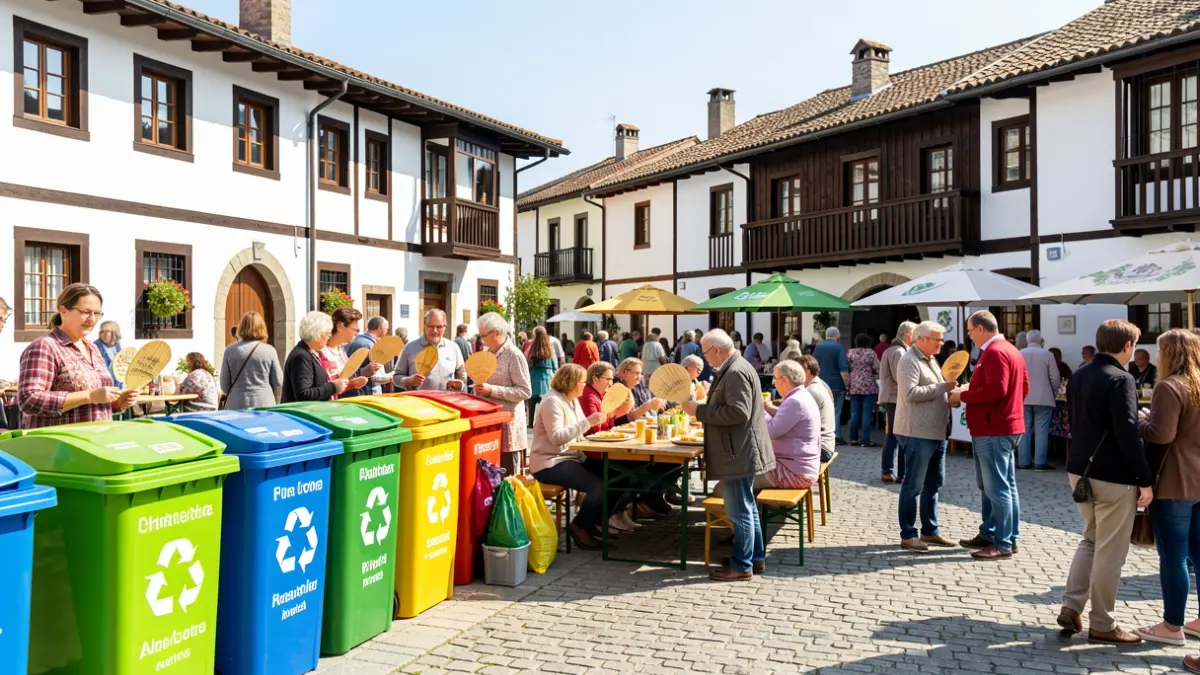
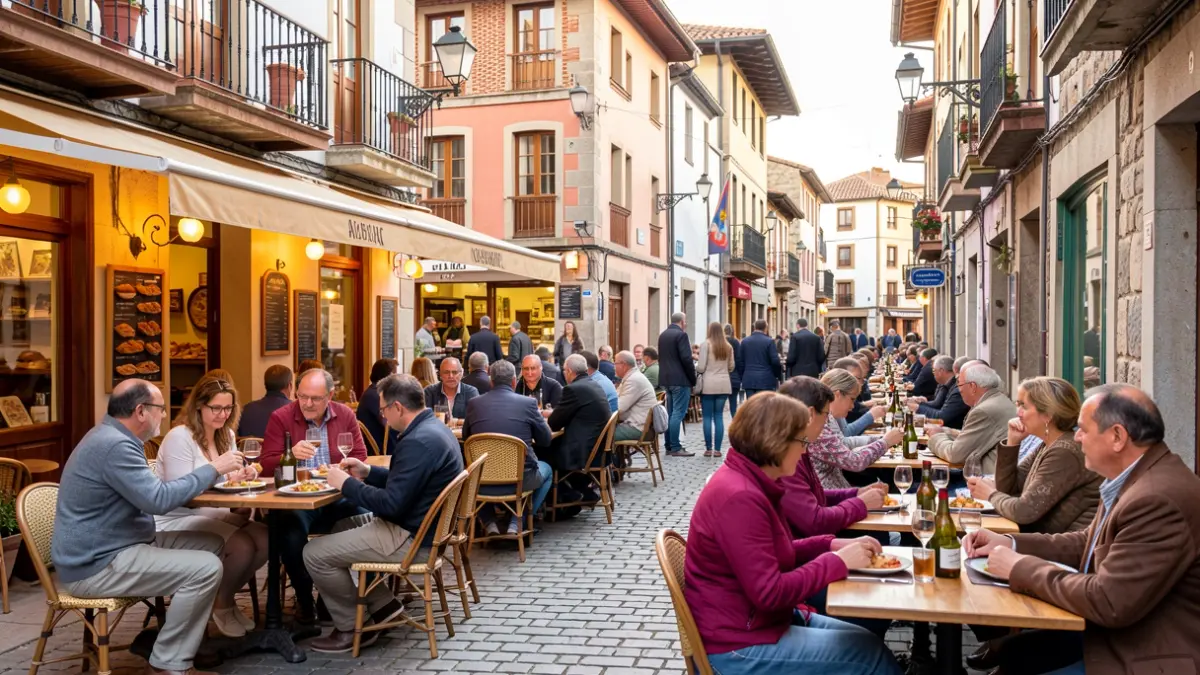
Gastronomy remains a significant differentiator for Euskadi; 95.5% of tourists engage in enogastronomy-related activities, and nearly 98% visit pintxo bars. The average spending per person is 626 euros, with a very high satisfaction rate: 99% rate their experience positively, and 98% consider Euskadi a high-quality destination, particularly praising its gastronomy, natural environment, and hospitality.
“"Euskadi is at the forefront of sustainable and ethical tourism strategies."
The minister emphasized that Euskadi "is at the forefront of sustainable and ethical tourism strategies" and defended "the importance of continuing to develop policies based on data analysis and tourism intelligence."