
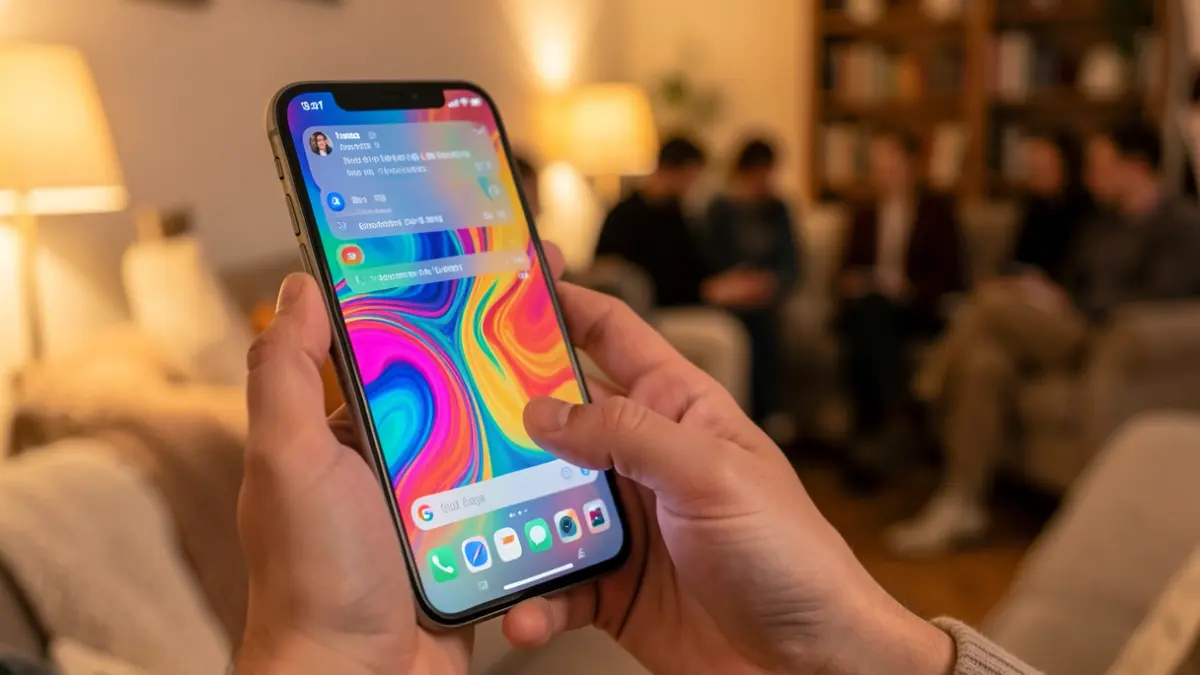
The return to work, school, and regular schedules after holidays can lead to spending more time on our phones or computers, feeling the need to be constantly available. This results in increased fatigue and difficulty concentrating. It's important to take control of your time and put a stop to hyperconnection, not by abandoning technology, but by reassessing its place in your daily life.
Several warning signs can alert you: constantly checking your phone for reassurance, using it to escape any feeling of discomfort, or allowing it to replace important activities like conversations, rest, or exercise. If the screen is taking over all these aspects, it's time to hit the pause button.
Apps are designed to capture your attention. Stopping screen time isn't easy and doesn't depend solely on you. Many apps include features designed to extend usage: infinite scroll, autoplay, personalized recommendations, constant notifications, or immediate rewards. Understanding these mechanisms allows for more conscious app usage and helps curb overuse: disable autoplay, remove notifications, set daily usage limits, or move frequently accessed apps off your main screen.
Before opening a social media app, ask yourself: 'Why am I opening this?' This helps differentiate a conscious decision from an automatic gesture.
Family agreements. The start of the school year is an ideal time to review household digital rules. It's best to have few, clear rules: no devices during meals, reserve moments for uninterrupted conversation, avoid screens before bed, or set time limits for digital leisure. These rules apply to the whole family, including adults. You can't ask a teenager to put down their phone if you're constantly checking yours.
Disconnecting from work is also healthy. The return to routine shouldn't turn your mobile phone or email into an extension of your workday. So, when your workday ends, disable all notifications and set boundaries. Unless your job conditions state otherwise, a message received outside of work hours doesn't require an immediate response.
Digital technologies facilitate many tasks but also consume time and attention. With the new academic year beginning, returning to routine can be an opportunity to decide when you want to connect and, most importantly, when you want to disconnect.
Tips:
- Avoid checking your phone immediately after waking up
- Silence non-essential notifications
- Create specific times for responding to messages
- Reserve some screen-free moments during the day
- Keep your mobile phone out of the bedroom at night to reduce temptation.
- Avoid checking your phone immediately after waking up
- Silence non-essential notifications
- Create specific times for responding to messages
- Reserve some screen-free moments during the day
- Keep your mobile phone out of the bedroom at night to reduce temptation.