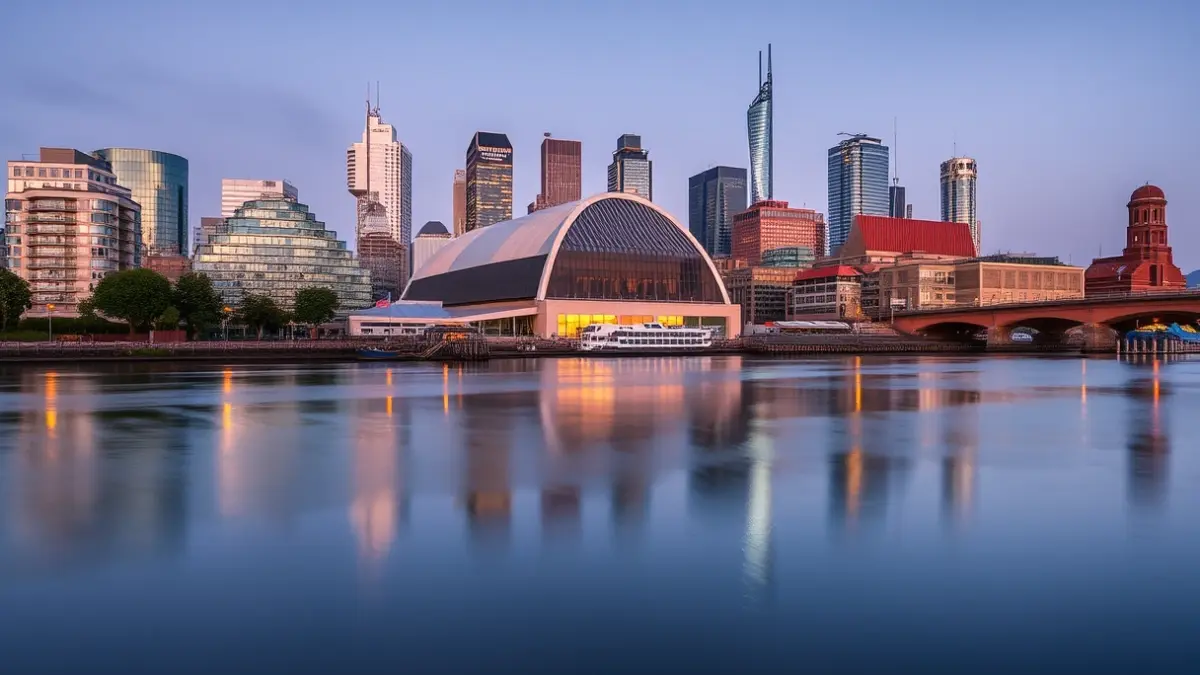
Where the Guggenheim Museum Bilbao now stands, there was once a declining industrial and port area, alongside a still-degraded estuary. This urban transformation, based on economic and environmental recovery, a commitment to culture, and international projection, was driven by the work of former officials.
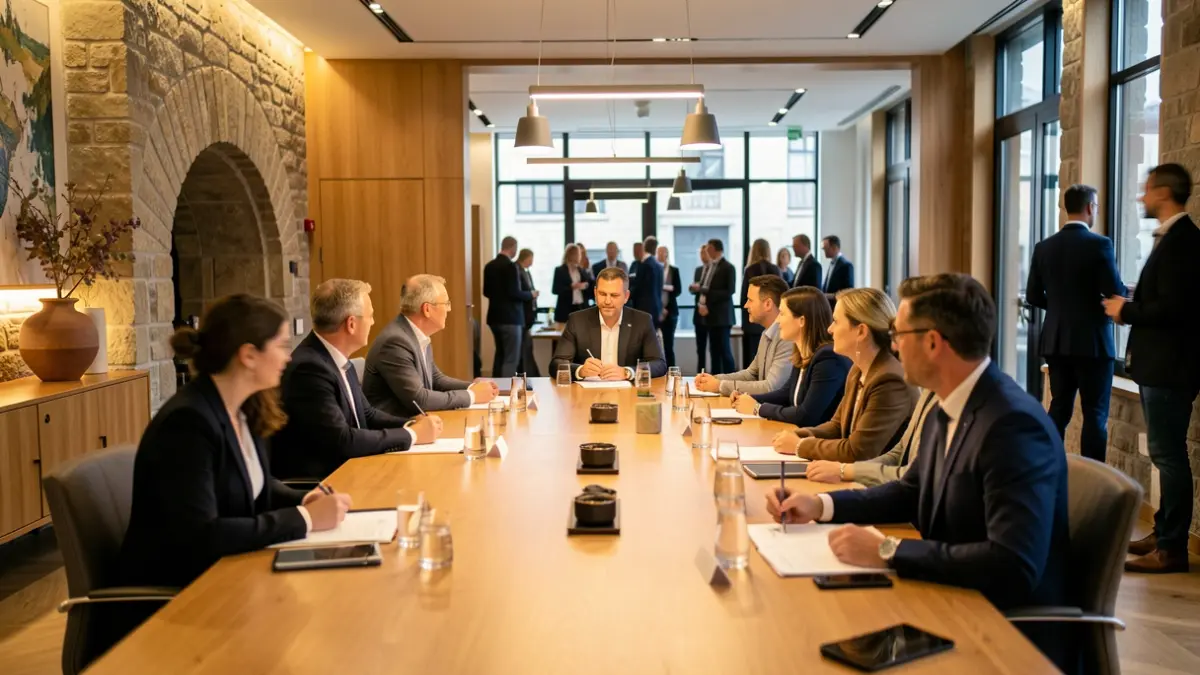
The former officials, honored during the Alderdikide Eguna event, answered questions about their past management and also addressed issues related to Bilbao's present and future, such as employment, youth precarity, and the housing problem.
“"Disregarding community life is not a valid option, and disaffection can open the door to the far-right, which comes to dominate."
Regarding the rise of the far-right, especially among young first-time voters, the former officials indicated that, more than ideological reasons, it responds to a protest vote. They advocated for a path of balance, seriousness, prudence, and hard work, and denounced the exploitation of young people, who, despite their education, receive "absolutely insufficient" salaries.
Concerning the housing problem, the former officials warned about the risks of real estate speculation and defended the need for market intervention. As housing is a basic necessity, it cannot be allowed for the real estate issue to have become a casino, a stock market, a center of speculation.
“"In the 19th century, the industrial revolution of the city took place. In 1991, urban transformation was launched. At this moment, we must move towards the transformation of knowledge, because the world that is coming is the world of knowledge."