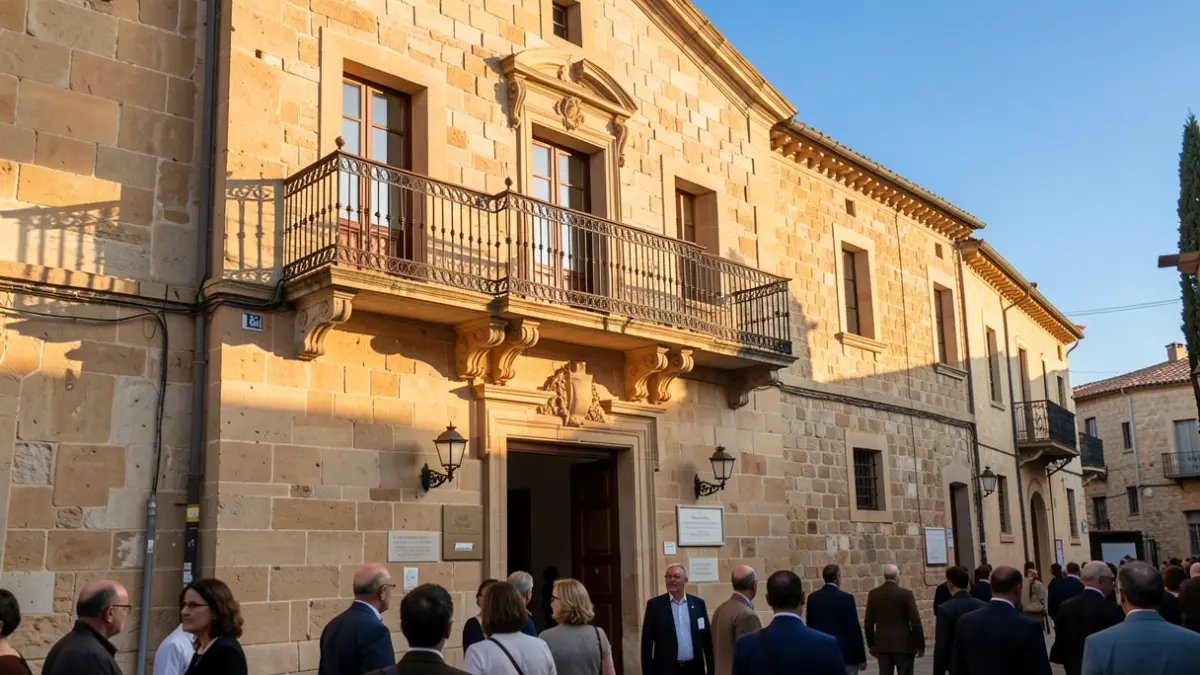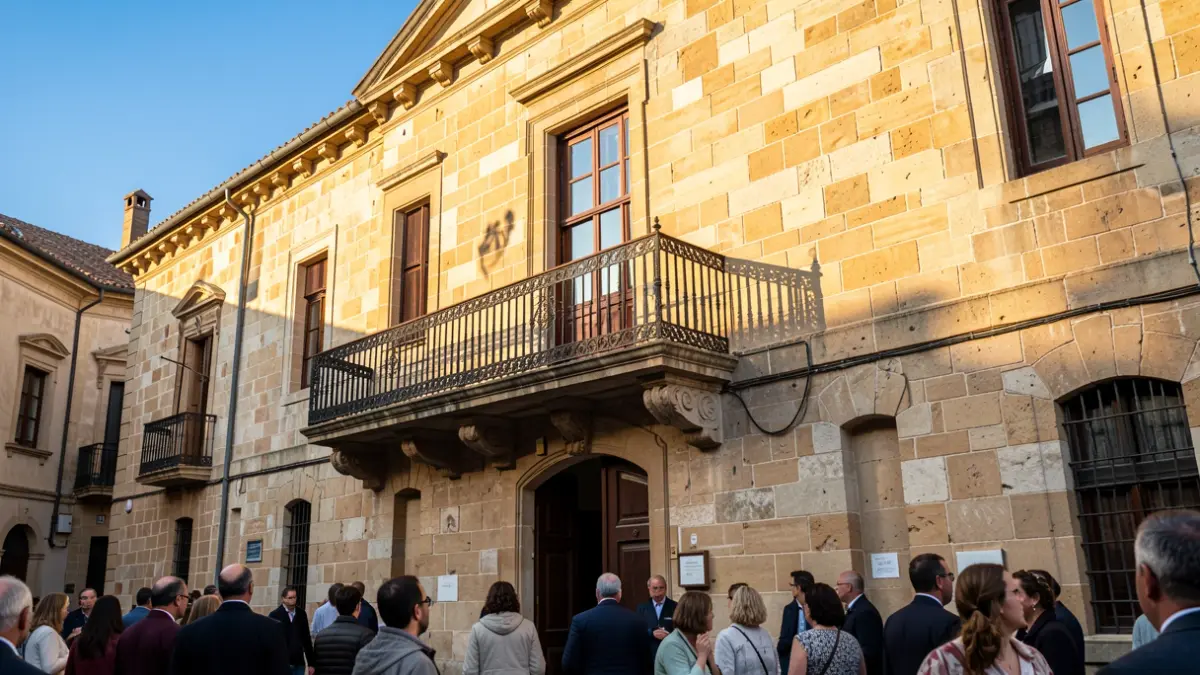
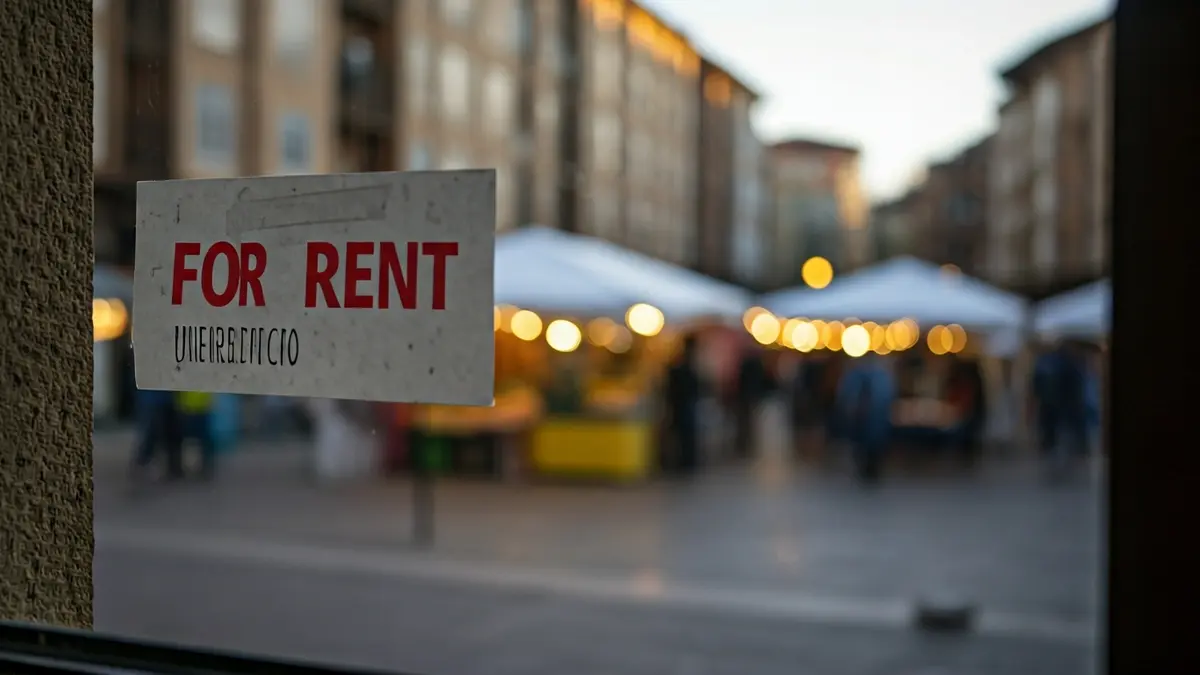
The Resu Blas de Otero university residence, located on Cortes street in Bilbao La Vieja, has experienced a significant drop of 40 student enrollments this academic year. This decline is directly linked to the increasing perception of insecurity in the area. The management of the accommodation, which is affiliated with the University of the Basque Country (UPV/EHU), has formally requested assistance from both the Bilbao City Council and the university itself to address this pressing issue.
Online reviews from users, while generally praising the staff's good service, predominantly criticize the surrounding environment as “unsafe”. Comments include phrases such as “terrible location,” “very dodgy atmosphere,” and some even refer to the area as “the Bronx.”
It's horrible. We are desperate.
The residence director stated that despite requesting help from the institutions approximately two months ago, they have yet to receive a concrete response, leaving them feeling “desperate” for a solution.
Inaugurated in 2004 as a symbol of neighborhood regeneration and renovated in 2013, the residence now faces an improvised street market and a junkyard. The director laments the exponential increase in street vendors over the past two years, which has led to conflicts and increased litter in the area. “The problem is not the neighborhood. We have been here for a long time,” she added.
While sporadic police presence temporarily disperses the vendors, the director advocates for a more permanent solution: “If one or two patrols were stationed permanently at this point until they understand that they cannot do that here, it would be resolved.”