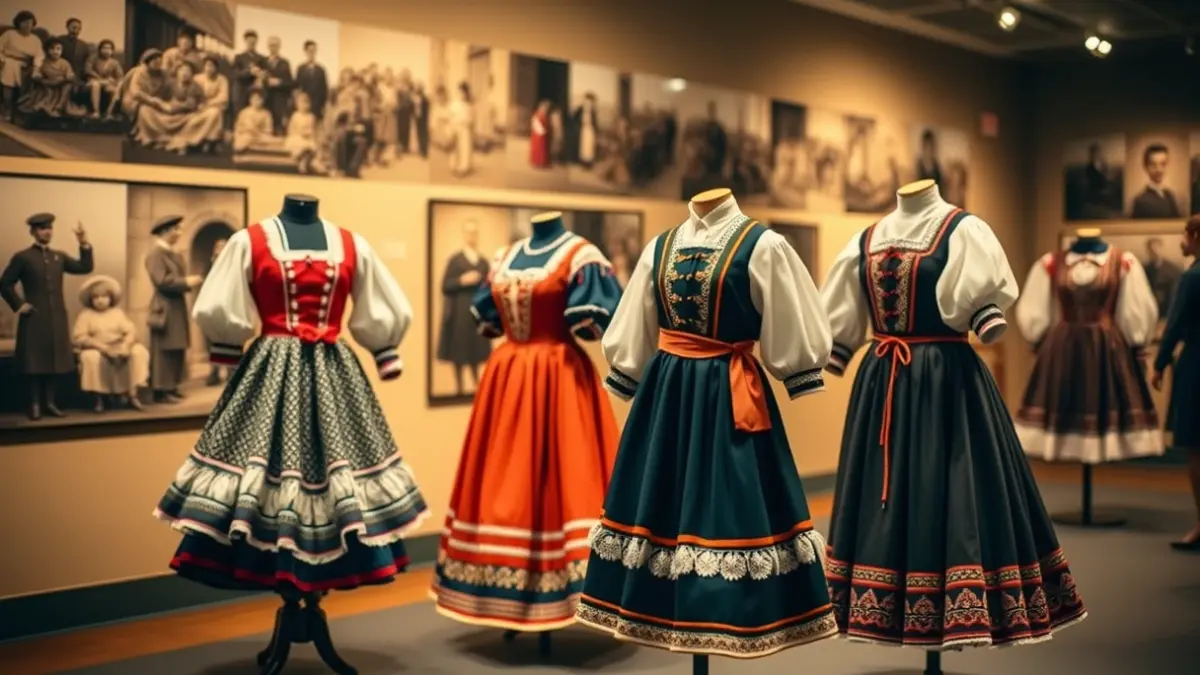
Within Basauri's extensive associative fabric, three groups stand out in the field of Basque dances for their long trajectory: Edurre, Agintzari, and Basauritar. While Agintzari celebrated its half-century last year, 2026 marks the 50th anniversary for Basauritar. To commemorate this milestone, the group has organized three days of diverse activities. The first will take place this Sunday, the 26th, and includes workshops, exhibitions on its history, and, of course, a vibrant dance performance.
Although the group's official birth date is 1976, Basauritar's origins trace back years earlier, during the Franco dictatorship, when some residents of the El Kalero neighborhood clandestinely gathered in a workshop to study Basque, play the txistu, and learn traditional dances. After the dictator's death, the association was founded around the local batzoki, and during its early years, Basauritar was linked to the PNV, although from 1988 onwards, it gradually disassociated itself from the political party.
“"The beginnings were humble, and we only danced at a few private events, at weddings, or during the San Fausto festivities. It was in the late 80s when we joined the Basque Federation, which opened doors for us to learn new dances and start traveling throughout Bizkaia."
Today, Basauritar boasts 60 dantzaris, ranging in age from 4 to 78 years old. The vast majority are from Basauri, though there are also participants from neighboring municipalities such as Galdakao or Etxebarri. Throughout the year, the group participates in numerous activities across the province, including festivals and cultural events. They also organize their own performances at Christmas, in June for the end of the school year, and during Carnival, in addition to the Euskal Herriko Dantza Agerketa de Basauri festival, held every September. In 2026, to mark their anniversary, members of the group carried the Korrika baton during the Culture kilometer in Basauri.
As with many other dance associations, Basauritar faces challenges in finding generational replacement. While their situation is positive, the leadership notes that attracting younger children and teenagers is difficult, as these age groups are often dominated by sports or other extracurricular activities that are hard to balance with dance.
The anniversary celebrations are divided into three days. The first is this Sunday, taking place at San José school between 10:00 and 14:00. Attendees can view two exhibitions, one of traditional costumes and another of photographs chronicling the group's history. There will also be dance workshops, a children's play area, and a performance. The main event will be on June 14th in Solabarria square with dantzaris of all ages, followed by a fellowship meal, while in November, a txistupoteo will bring a special year for Basauritar to a close.