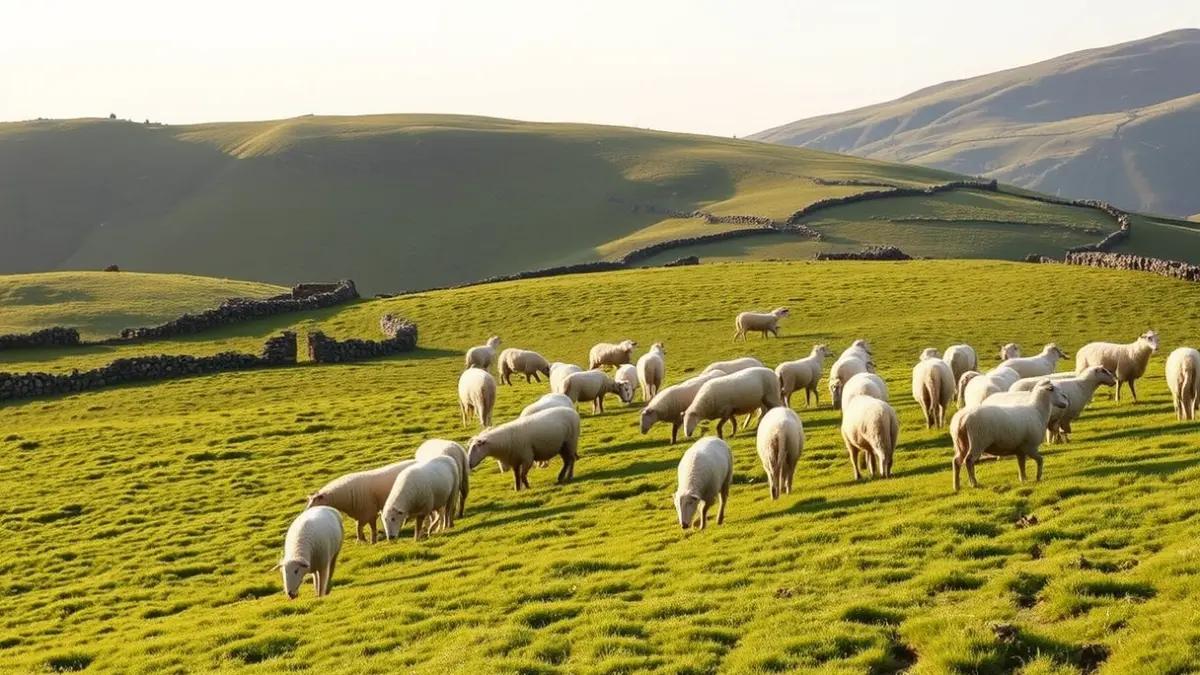
This year, 17,654 head of livestock are authorized to graze in the Aralar mountain range pastures, with 15,112 of these being sheep. A total of 150 farmers hold permits, and of these, 61 (40.7%) have ATP (Principal Farmer) status. This designation indicates that they derive more than 50% of their income from agricultural activity and dedicate more than half of their working time to agricultural tasks.
The report indicates that ATP-qualified farmers, although not the majority in number, account for the main livestock load. The LSU/ha (Livestock Unit per hectare) load intensity is 0.80, a figure the commonwealth considers “moderate.”
Regarding the farmer profile, of the 150 authorized farmers, 46 are women, 87 are men, and 16 are civil associations. By species, sheep are the primary users of mountain pastures, both in number and LSU load. However, trends show that the number of sheep is decreasing year by year. The number of cows and mares, on the other hand, is increasing, and although the goat load is small, their numbers have also grown since 2024.
According to the commonwealth's interpretation, the Enirio-Aralar pastures are not generally overloaded, and sustainable management can be concluded. Nevertheless, they warn that “overloads may occur in specific areas and dates,” with sheep generating the “main pressure,” although their distribution is balanced.