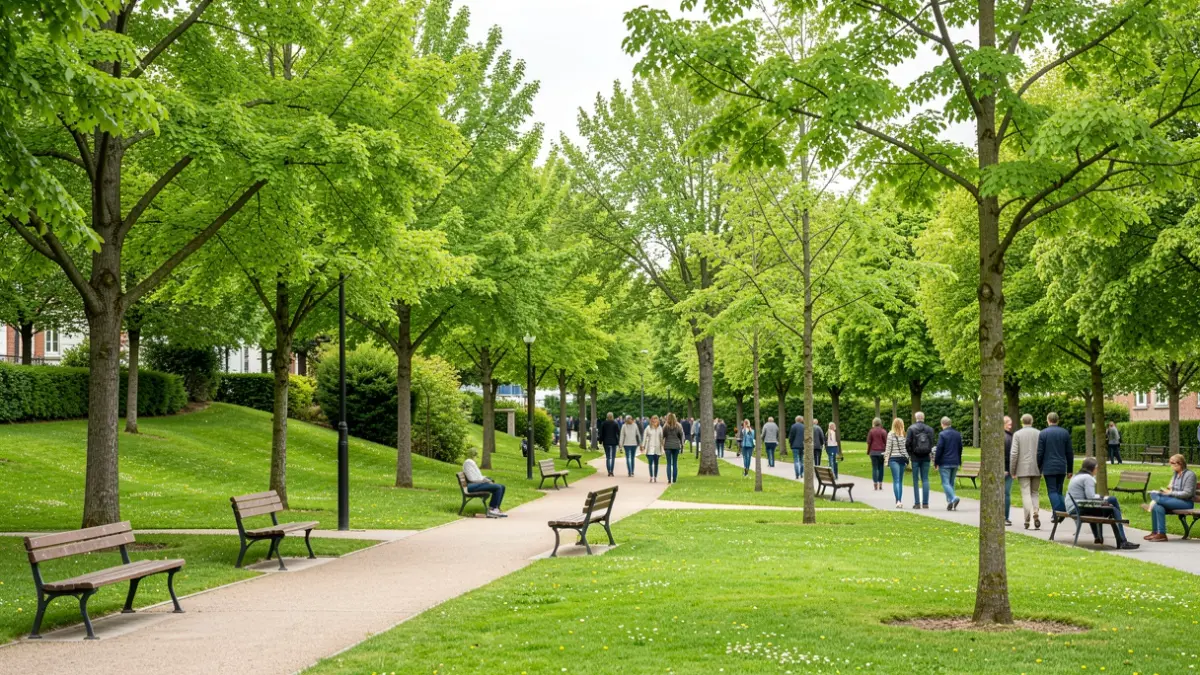
The Beasain City Council has officially launched the participatory process for the comprehensive renovation of the Maria Arana Gaiztarro Park and its surroundings. The aim is to recover and revitalize one of the municipality's most emblematic green spaces, incorporating the opinions, needs, and proposals of residents to create a more inclusive, accessible, and multicultural area.
This initiative is part of the municipal strategy for participatory and inclusive urbanism. The Council believes the park's transformation should not be limited to technical or aesthetic aspects but should respond to current forms of coexistence and public space usage.
The Maria Arana Gaiztarro Park, donated to the municipality decades ago by Maria Arana Gaiztarro herself, has historically been one of Beasain's green lungs. Over time and due to the deterioration of some elements, the Council has proposed a profound renovation to adapt the environment to the population's contemporary needs, aiming to make it a true intergenerational and community meeting point.
A key element of the project will be the construction of a new urban elevator connecting Kale Nagusia with Esteban Lasa kalea. This infrastructure is crucial for improving pedestrian mobility and ensuring greater accessibility between these two areas of the neighborhood, particularly for the elderly, people with reduced mobility, and families with strollers.
The Council emphasizes that accessibility will be a fundamental pillar of the intervention. The goal is to eliminate physical barriers and ensure everyone can enjoy the space equally. Furthermore, efforts will focus on social inclusion and multicultural coexistence, seeking to create common areas that foster interaction among residents of different ages, cultures, and social backgrounds.
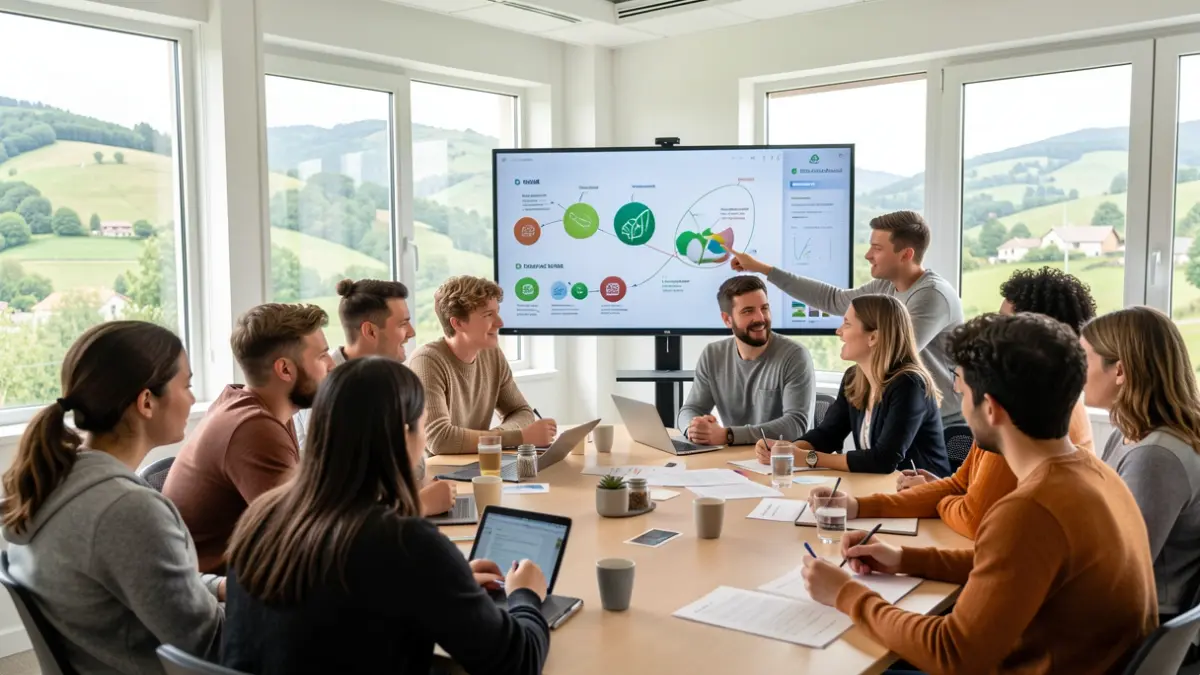
To guide this participatory process, the Council will collaborate with the company Aztiker, specializing in citizen participation methodologies. The work will be structured in four phases: internal municipal analysis, an open opinion-gathering phase through surveys and interviews, participatory workshops in June, and finally, the development of a conclusions document for the definitive design.
The Council will pay special attention to several areas: cultural diversity, promoting spaces for coexistence; childhood and youth, incorporating an educational dimension; and engaging groups typically excluded from traditional participation channels.
The co-creation sessions scheduled for June 10th and 11th will be particularly significant. These meetings will take place in the park itself, bringing together citizens, local associations, and municipal representatives to discuss and define specific aspects of the future renovation, ensuring resident contributions genuinely influence the final project outcome.
Municipal sources have stressed the importance of active public involvement in this initial phase. Concurrently, the diagnostic phase remains open through a citizen questionnaire available on the municipal website, complementing interviews already conducted with various social profiles to gather a broad perspective on the park's present and future.