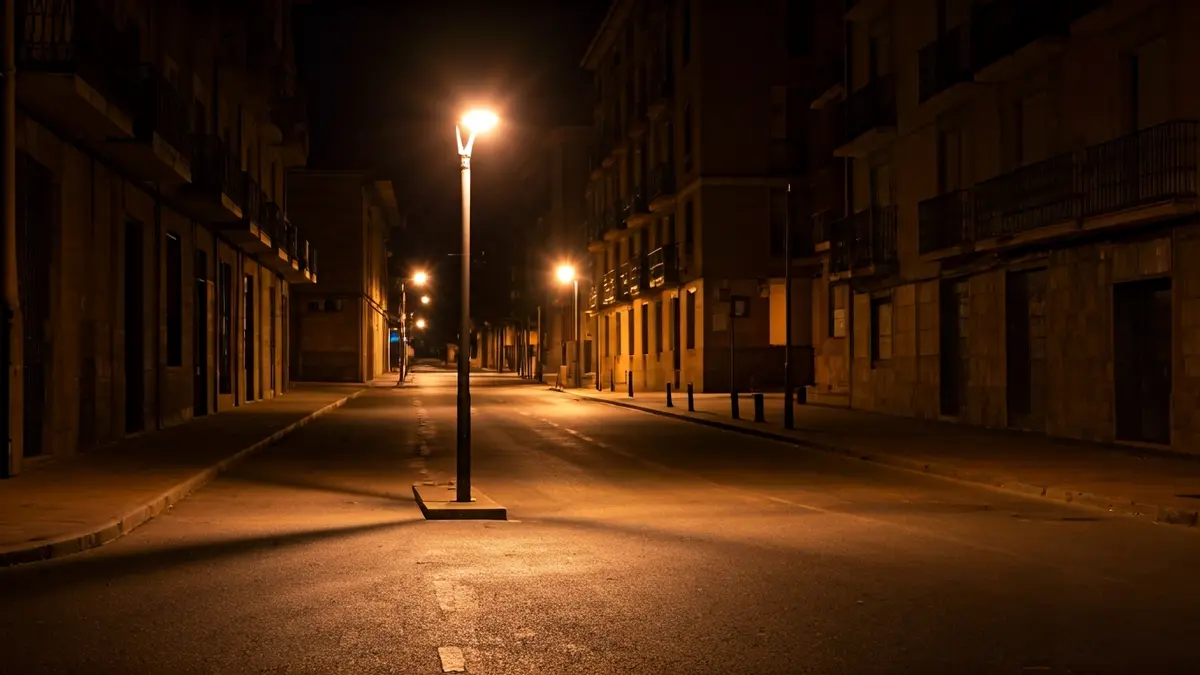
A resident of the Atotxa Erreka neighborhood, identified as A. R., has reported weekly to the Citizen's Mailbox of the Donostia City Council about a broken streetlight on the access slope to Atotxa Erreka 14-16. Far from being resolved, the situation has worsened, with two streetlights now out of order for over four months, without any official response or repair.
This neglect not only poses a problem for nighttime illumination but also a security risk, especially in the context of the wave of robberies concerning residents.
A. R. emphasizes that the Ertzaintza conducts random surveillance, which is appreciated, but security cannot solely depend on police presence. It also requires adequate infrastructure maintenance, which is a municipal responsibility. The resident questions the purpose of the Citizen's Mailbox if incidents are not addressed and, moreover, worsen over time.
Meanwhile, in the Riberas de Loiola neighborhood, a resident named David has raised concerns about the use of plot g002. He alleges that a project is being imposed without consensus and is being sugarcoated. Idyllic images of three towers are shown, when in reality there would be five, plus a central building with no defined use. He questions why part of the preliminary project, paid for with public money, is being hidden, perhaps because showing it in full would reveal its true impact and increase public rejection.
David states that constructing a building with no clear function or known budget is an irresponsibility that worries many residents, who fear it could become a source of squatting, insecurity, and new problems for the neighborhood. The model of subsidized apartments has already proven to be an administrative failure in the city, as seen in the case of the one located on Baratzategi street, commonly known as “the house of horrors,” which has been newsworthy due to its coexistence problems on several occasions.