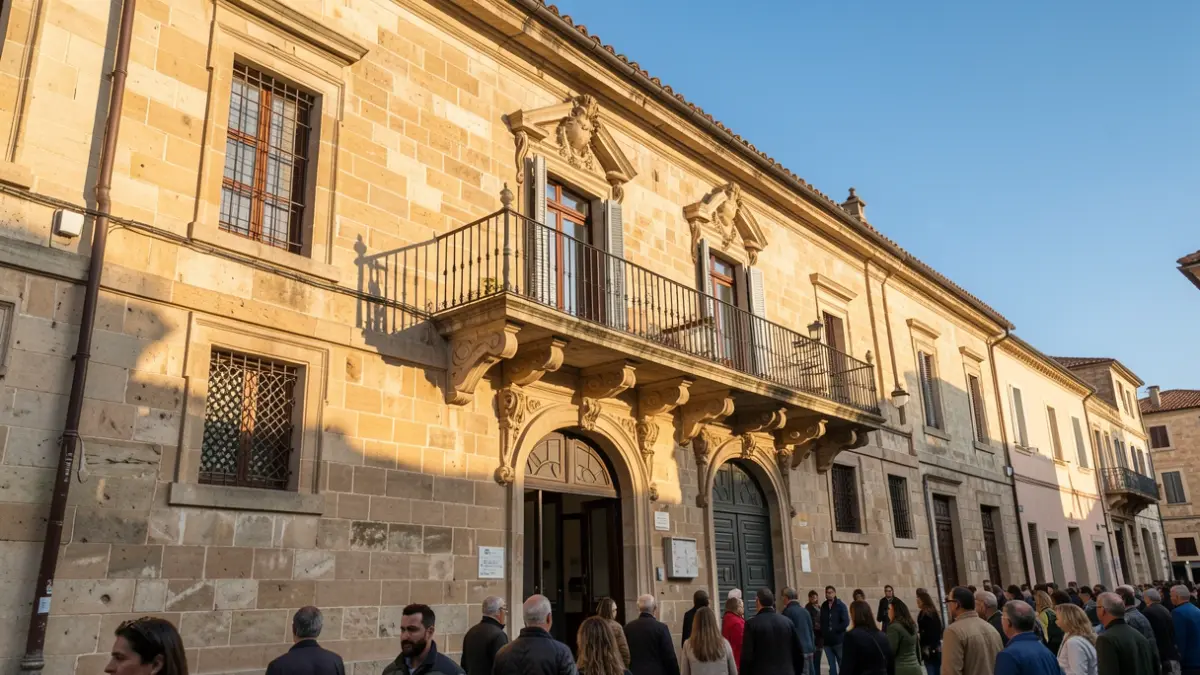
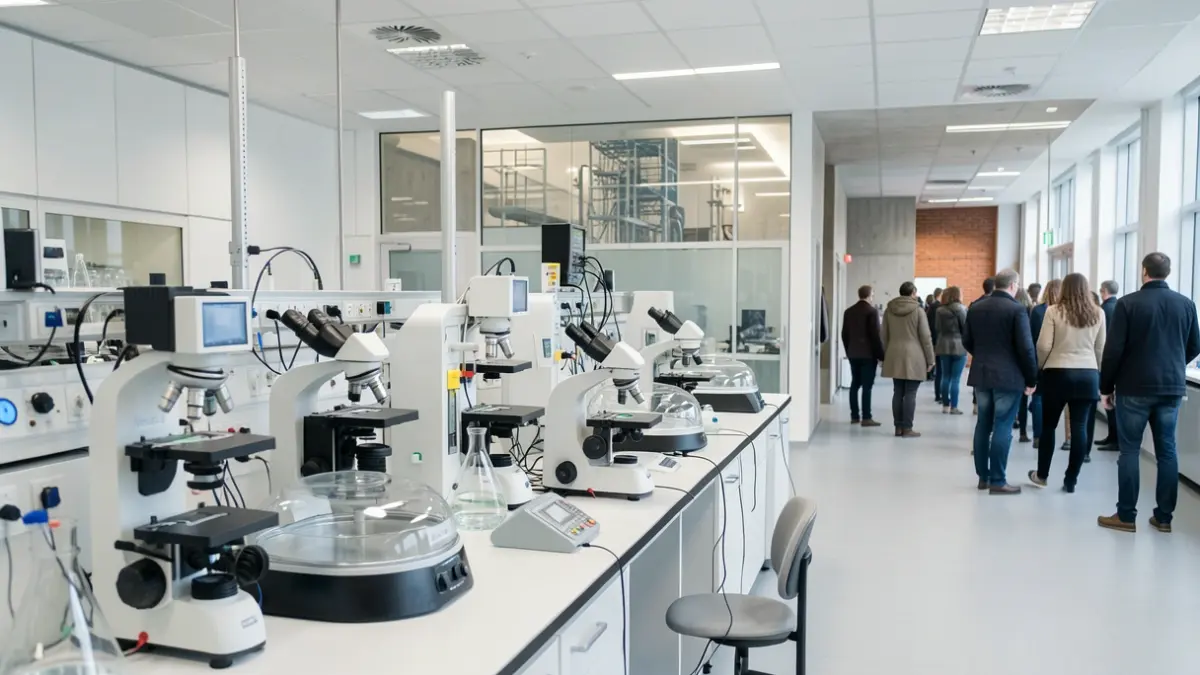
The new center's mission is to unravel the biological processes impacting health in the interactions between plants, animals, humans, and their shared environment. The inauguration ceremony was attended by UPV/EHU Rector Joxerramon Bengoetxea Caballero, the Minister of Science, Universities and Innovation, Juan Ignacio Pérez Iglesias, the Vice-Rector for the Bizkaia Campus and Communication, Estitxu Garai Artetxe, and the Vice-Rector for Research, Jon Umerez Urrezola, along with representatives from various faculties and research centers.
Rector Joxerramon Bengoetxea Caballero detailed that the inauguration represents "a decisive step" in how life is understood, researched, and protected. "For a long time, we have approached human health, animal health, and the state of our ecosystems as separate compartments. Science and recent experience have shown us that this boundary does not exist. The quality of the air we breathe, the water we drink, the biodiversity of our mountains and coasts, and the substances we live with daily are part of the same equation. There can be no healthy people in a sick environment. By launching the Basque Centre for Integrative Research on Environmental and Human Health, we are responding to this challenge with the best tool we have as a country: collaborative knowledge," he stated.
For his part, Minister Juan Ignacio Pérez Iglesias emphasized that EHU-iBio "connects very closely" with the One Health Innovation Lighthouse, a transversal axis of the Euskadi 2030 Science, Technology, and Innovation Plan (PCTI 2030). He recalled that this Lighthouse prioritizes the connection between human, animal, and ecosystem health; zoonoses and emerging diseases; microbial resistance; climate change; zero pollution; biodiversity and ecosystem services, as well as the development of innovative tools.
The center brings together over 100 researchers from the Faculty of Science and Technology and the Faculty of Medicine and Nursing. It comprises 13 consolidated groups and 29 principal investigators managing approximately 4 million euros annually in funding. The prominent presence of women in scientific leadership is noteworthy, with 70% of research group leaders being women.
EHU-iBio aims to position itself at the international forefront in the "One Health" area, unraveling the molecular and biological mechanisms affecting the health of soils, ecosystems, animals, and people, while simultaneously addressing local challenges in Euskadi, particularly in the context of new pollutants and climate change.