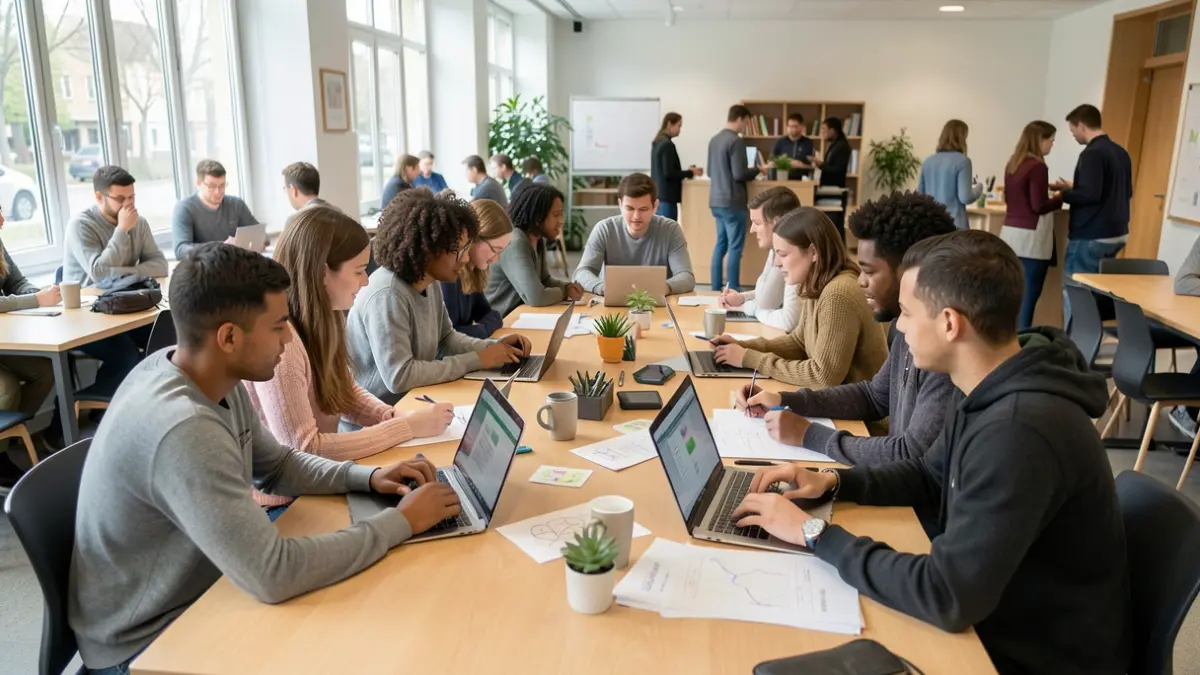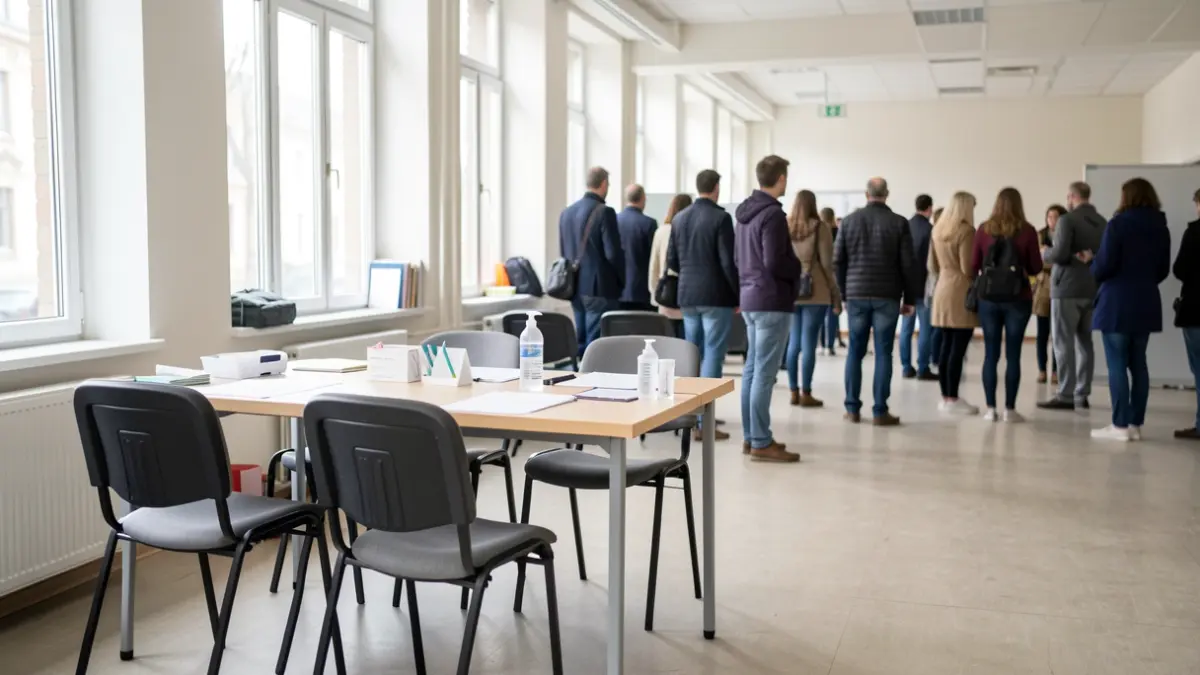
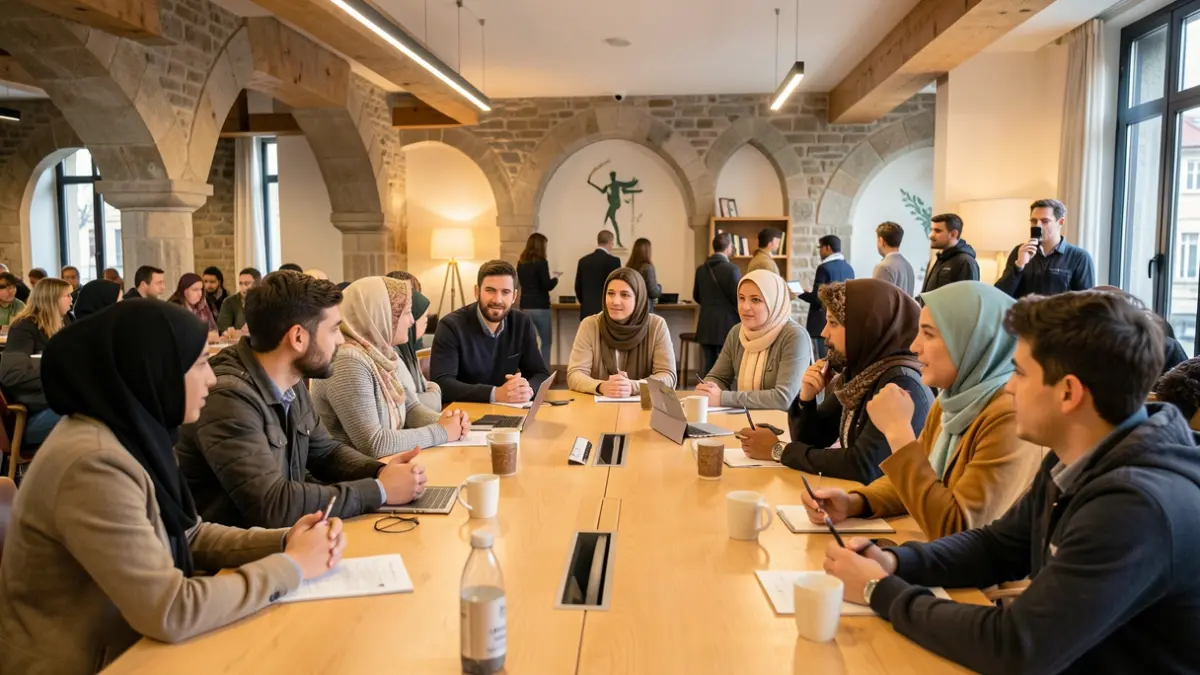
Within the framework of the Garai Berriak Strategy launched by the Directorate of Diversity, Coexistence, and Intergenerational Solidarity, today at the BBK Kuna Building in Bilbao, the conference Young Basque Muslims: Identity, Diversity, and Equality was held. Around 80 people participated in the event, from academia, administration, and associations such as Bidaya, Musawa, Yalah Zurekin, Sunu Gaal, Tawja, or the Muslim Community of Rekaldeberri. The meeting took place within the framework of the ADOS Advisory Commission.
The Director of Diversity and Coexistence of the Basque Government, Arantza Chacón, opened the event, emphasizing the importance of participation for all young people. “It is necessary participation, including that of young Muslims who also build Euskadi. The challenge they face and the challenge we take on are not easy. If adolescence and youth are already stages of change and decision-making, doing so between two cultures, sometimes with migratory projects that do not depend solely on their interests, makes it even more complex. And it is also important to listen to them as a group, but also to think that when we talk about Muslim youth, we are talking about diverse realities, different trajectories, and different people, with very different backgrounds and experiences,” explained Arantza Chacón.
During the first presentation of the day, Said El Kadaoui Moussaoui, a psychologist and author of the book Radical(es): una reflexión sobre la identidad, analyzed identity construction in multi-referential contexts, highlighting the importance of identity building in the migrant population. “What we are, what we want to be, and what others believe we are will influence what we will be. All these perspectives penetrate the inner self of a young person and will influence their future. There is a stigmatizing gaze, but there is also individual agency that depends on one's own capabilities to develop one's vocation,” explained Said El Kadaoui.
In the roundtable discussion titled Education and Identity Complexity, which was entirely in Basque, Hoosain Kaanache (expert in socio-educational intervention), Hajar Samadi (Bidaya Women's Association), and Amelia Barquín (expert in intercultural education) participated. They highlighted various clichés that can generate stigma. Stereotypes such as assuming that a young person, just because of their name, doesn't necessarily know Basque, or having to re-ask a 15-year-old where they were born when they've already stated they were born in Gasteiz, or assuming that certain cultural and activity offerings are not for young Muslim people.
After the discussions, the main panel emphasized the importance of young people participating with their own voice. Aicha Kane, Ismael Ahmed Salem, Safia Samadi, and Omaima Boussoufa shared their experiences as Basque and Muslim individuals. They stressed the importance of highlighting diversity within the Muslim community and criticized the invisibility of Black Muslims within the same community. They also spoke about the pressure on Muslim women as if they were symbols of the Islamic religion.
Following the morning session, the Minister of Welfare, Youth, and Demographic Challenge, Nerea Melgosa, met with several young Basque Muslims to learn about their experiences, positions, fears, and demands. During the meeting, they also discussed how integration processes, managing mutual prejudices, and their relationship with elders have influenced the construction of their identities. Minister Nerea Melgosa thanked them for the space, emphasizing the importance of emotional well-being. “It is necessary for everyone to feel part of the community; we must empathize more than we do. We must lead by example, and therefore, we will continue working together to recognize each other as people, looking each other in the eye. For me, it is clear: anyone who lives in Euskadi is Basque,” explained Minister Melgosa.