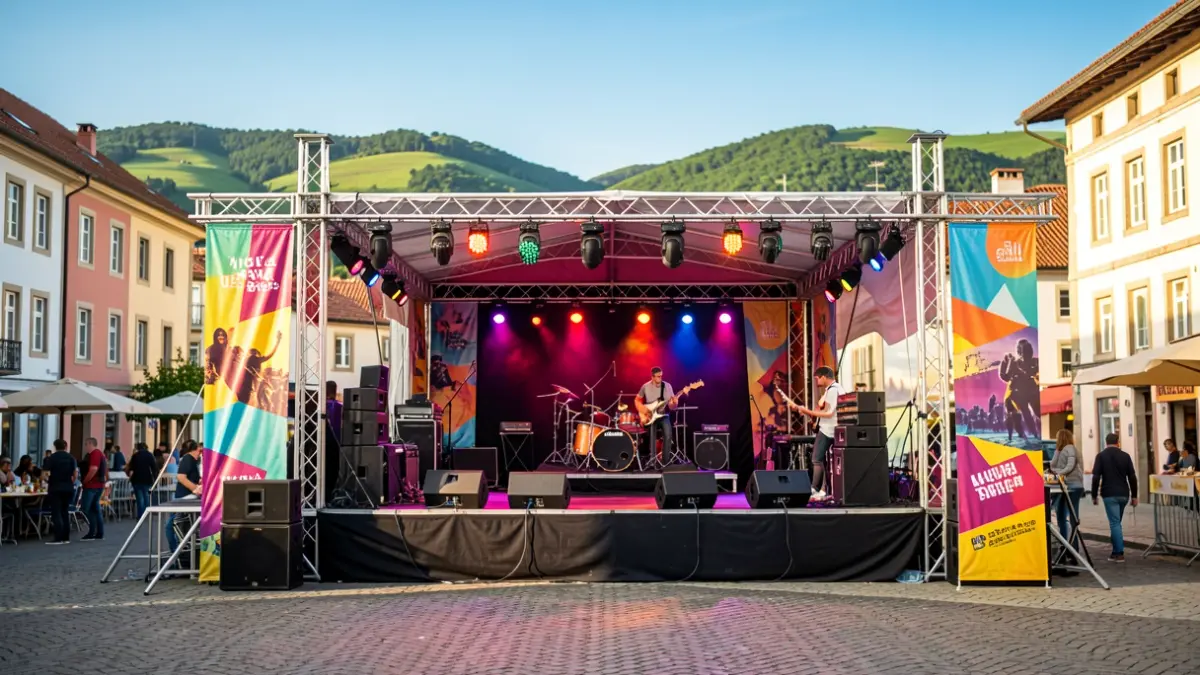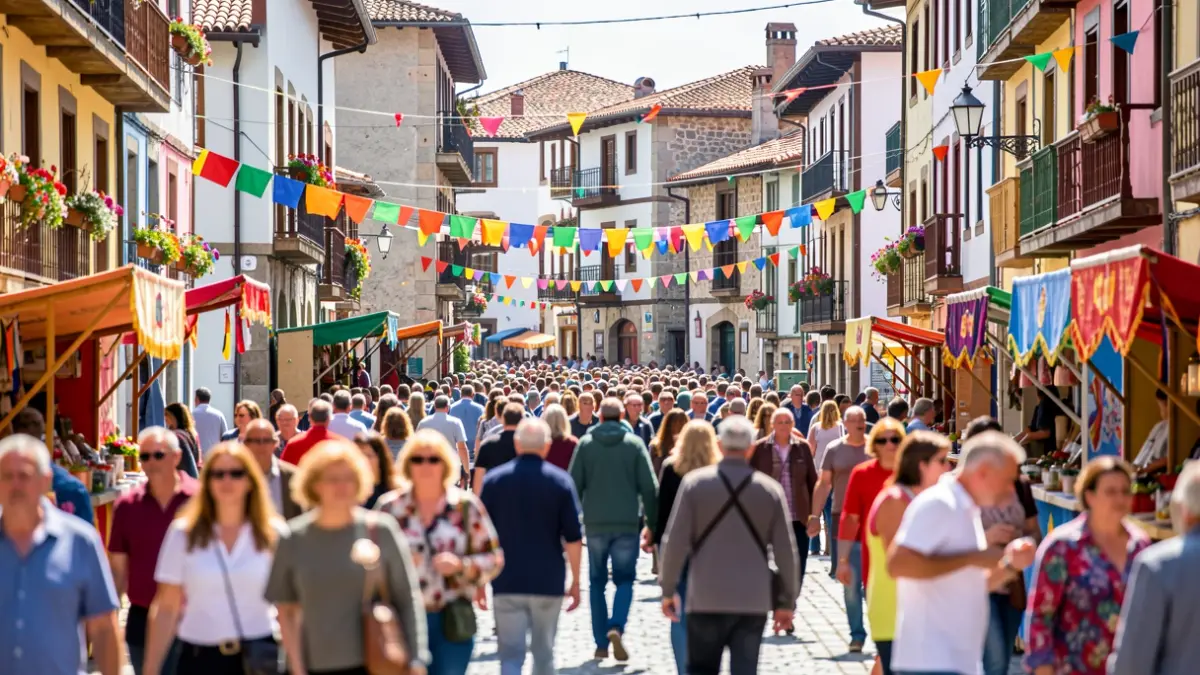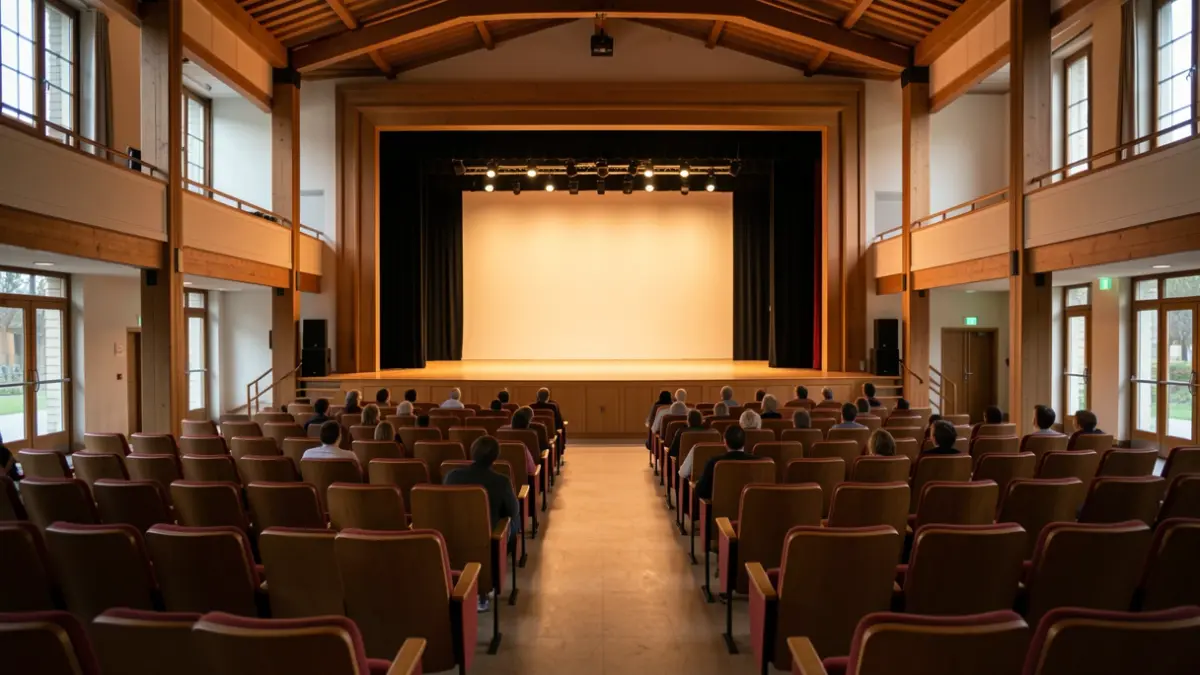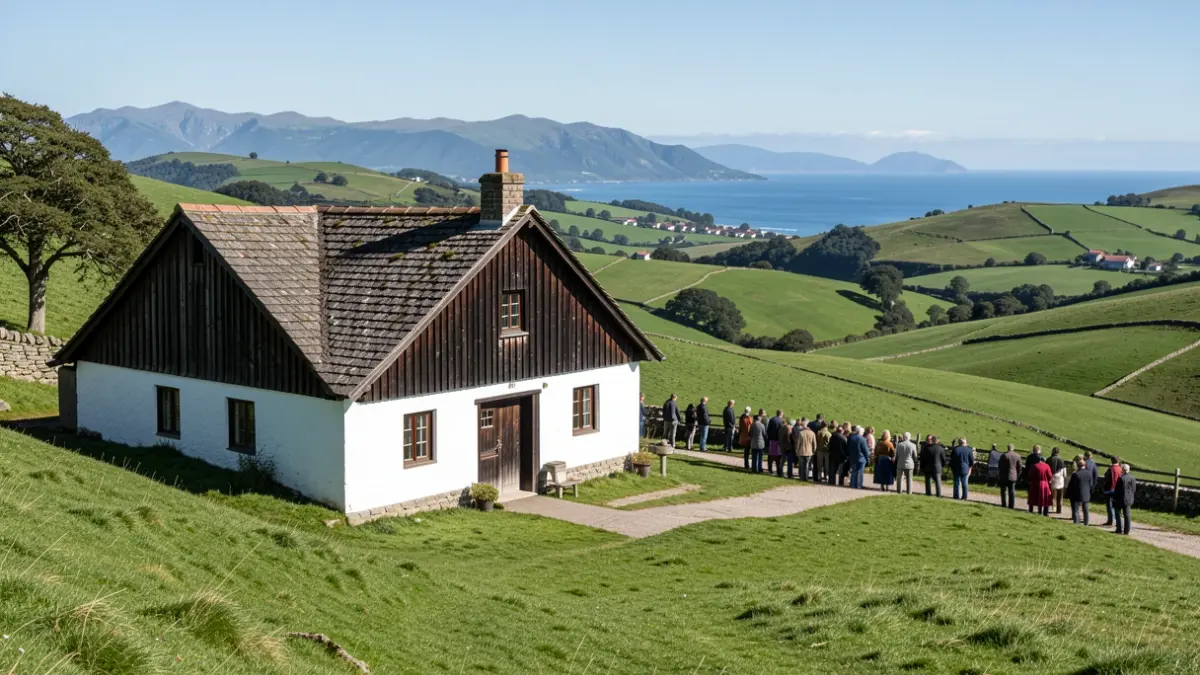
Usurbil will host the Jakin Gatherings on June 18-19, featuring discussions, key insights, and choices for developing the expressiveness and meaning of Euskera. This marks the twelfth edition of the gatherings, with Jakin, UEU, and the Usurbil City Council collaborating for the tenth consecutive year.
The event's presentation included Usurbil's mayor, Agurtzane Solaberrieta, UEU director Aitor Bengoetxea, and Jakin member Haritz Azurmendi. Registration is open until June 16 via the UEU website.
The first day will explore the relationship between literature and orality, the language of sexual and gender dissidents, freedom of expression, the contribution of language technologies, and practical experiences in working with orality. Speakers will include Miren Amuriza, Amaia Alvarez, June Fernandez, Kike Amonarriz, Naiara Perez, Aitzol Astigarraga, Leire Lison, and Julia Marin.
The second day will delve into linguistic and ideological choices in cultural production, the expressiveness of Euskera writing, and the opportunities offered by new audiovisual formats. Iratxe Retolaza, Garazi Arrula, Gorka Bereziartua, Danele Sarriugarte, Lander Arretxea, Ana Sarria, and Martin Ziarrusta will be the main speakers. The gatherings will conclude with a performance by Jose Luis Otamendi.
According to the organizers, it is crucial for the future of Euskera to cultivate not only its usage but also its expressiveness, richness, and creative capacity. Over two days, this year's Jakin Gatherings will combine reflection, debate, and the exchange of experiences.
Aitor Bengoetxea, director of UEU, explained that four years ago UEU decided to make its Summer Courses a space for collective reflection, not just knowledge sharing. The Jakin Gatherings are positioned within this framework, serving as a platform to address Euskera's concerns and challenges from academic and social perspectives. The topic for this year, ways to strengthen Euskera's expressiveness and speakers' meaning, is of great interest.
Agurtzane Solaberrieta highlighted that Usurbil will once again become a meeting point for knowledge and culture thanks to these gatherings. The mayor stated that in the current sociolinguistic context, it is particularly important to cultivate the language's richness and transmit it to new generations by enriching vocabulary, naming new spheres of use from within Euskera, and reinforcing speakers' confidence.
Haritz Azurmendi explained that the central question this year is whether Euskera is losing its expressiveness or if it is becoming increasingly difficult to name new social realities from within Euskera. Jakin believes that the lack of language normalization and centuries of minorization processes underlie this situation, but simultaneously, tools, experiences, and criteria exist to confront it.