The meeting, chaired by Lehendakari Imanol Pradales and attended by the Minister of Justice and Human Rights, María Jesús San José, and the Director of Gogora, Alberto Alonso, greenlit the draft budget for the 2027 fiscal year and the Action Plan for the upcoming year, which outlines the Institute's general guidelines and lines of action.
Gogora continues its commitment to research, aiming to "be an active agent for the knowledge and understanding of past events, providing citizens with the necessary tools to build a critical and reflective memory, based on historical rigor and constant debate with our past."
Among the highlighted lines of action is the study of "persecution violence in Euskadi," a strategy of social and political harassment, threats, and intimidation promoted by ETA and its environment, which seeks to give visibility to human rights violations beyond assassination, such as economic extortion and direct targeting.
The approved plan also includes the creation of a biographical dictionary of the General Council of the Basque Country (1978-1980), research on individuals affected by poliomyelitis during the dictatorship, and a study of early exhumations (1976-1980) carried out by civil movements.
Furthermore, research on sexual and gender diversity under Francoism will continue, addressing repression and collective movements, and a plan for extracurricular activities will be developed to emphasize the ethical and pedagogical value of memory, focusing on secondary school students.
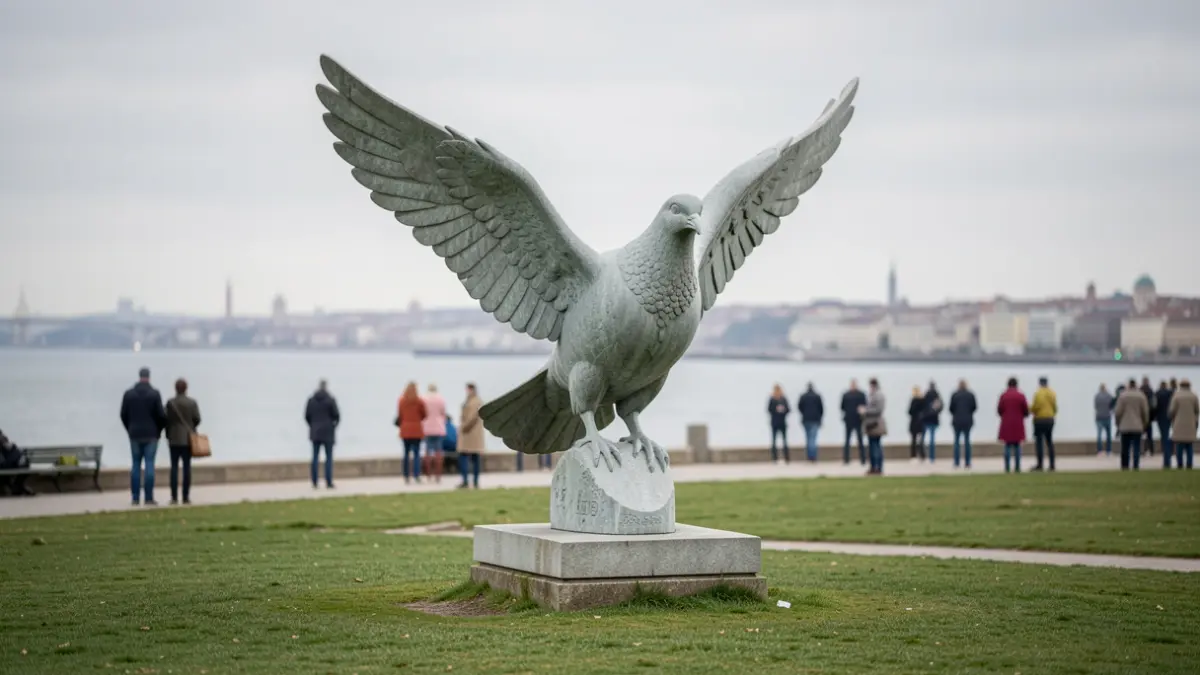
Finally, information was provided on the main activities planned until the end of the year, including the commemoration of the Day of Memory on November 10th in Donostia, next to the Dove of Peace sculpture.