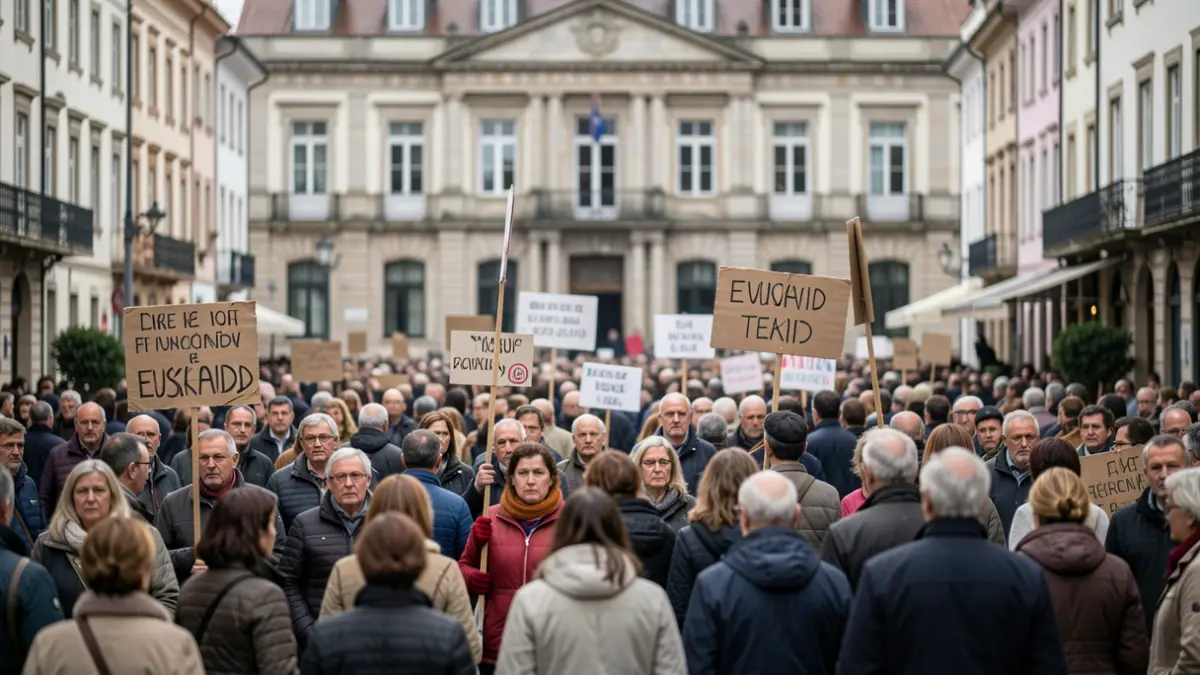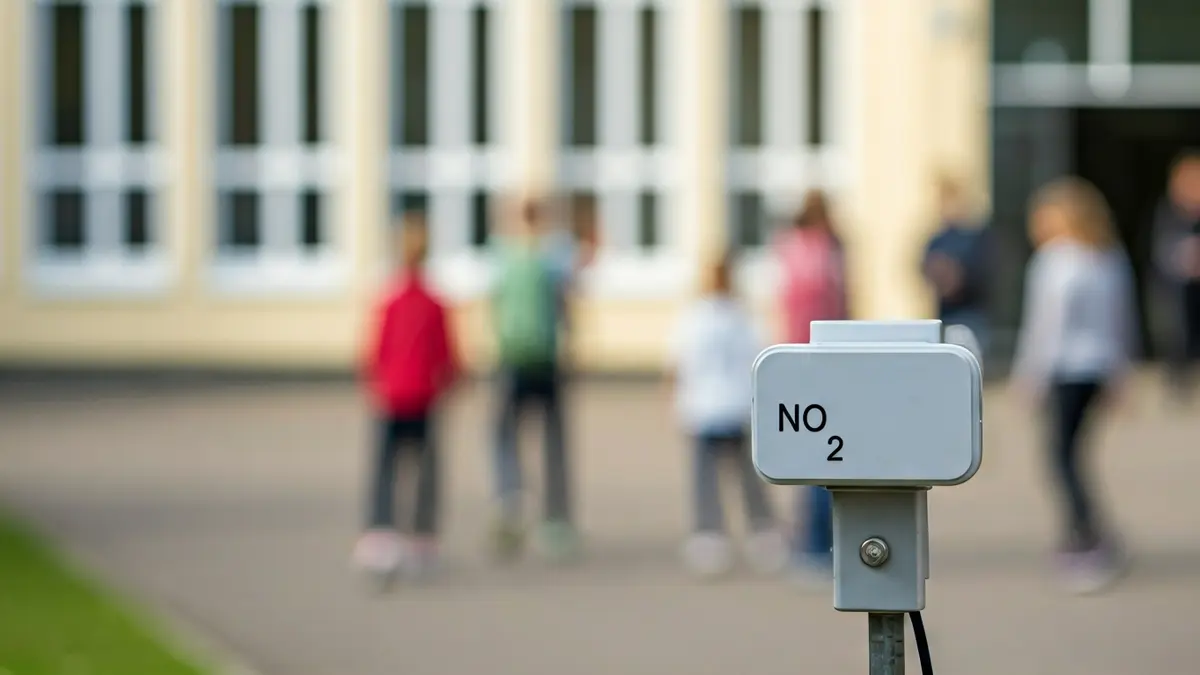
Ecologistas en Acción conducted nitrogen dioxide measurements in 412 educational settings, health centers, and public spaces across Spain. In the Basque Country, over 600 people were involved in this extensive project.
As explained this morning by Francisco García Olmo and Kepa Olaiz, representatives of Ekologistak Martxan, 15 sensors were placed in the Ategorrieta area of Donostia, home to several educational centers. Additionally, three were installed in Amara Berri and two in the City Center. All measurements, with a few exceptions such as the CPC of Zurriola Ikastola, the Jesuitas on the Camino Viejo de Ategorrieta, and Amara Berri in Ferrerías, surpassed the values recommended by the WHO.
“"All measurements, they added, exceed the values recommended by the WHO, except for the CPC of Zurriola Ikastola, the Jesuitas at the old Ategorrieta road entrance, and Amara Berri in Ferrerías."
While none of the educational spaces showed data exceeding the currently enforced legal limit, some were very close. Measurements taken in the Center were conducted within the Low Emission Zone (ZBE), and in all cases, levels were far from the targets set by the European Directive for 2030.
In Errenteria, measurements were also taken near school premises and play areas, with two additional sensors placed near a nursing home and the Iztieta Outpatient Clinic. Ecologistas en Acción representatives emphasized that these measurements also exceeded WHO recommended values.
In contrast, in Oiartzun, where tests were conducted with the collaboration of Haurtzaro Ikastola and Elizalde Ikastetxea, four out of five measurements were below the WHO recommended values. After analyzing this data, Ekologistak Martxan representatives advocated for implementing “effective measures to preserve child health and achieve healthy and safe educational environments,” stressing that this requires “municipal political will and commitment from the educational and family community.” To reduce pollution levels, they propose promoting “active mobility” and developing initiatives that discourage the use of private motor vehicles. Furthermore, they consider it essential to continuously monitor atmospheric and acoustic pollution levels in schools and nursing homes.